Explore our engineered range of high-performance conveyor belts manufactured to meet extreme industrial slope and high-traction material transport operations.
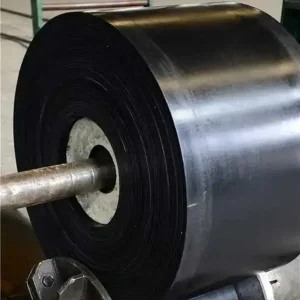
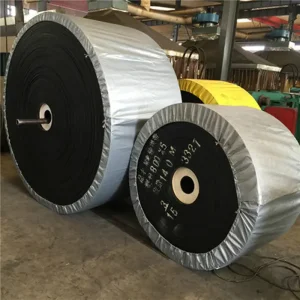
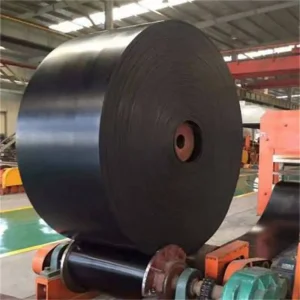
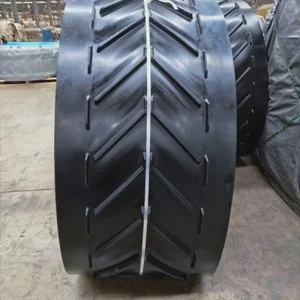
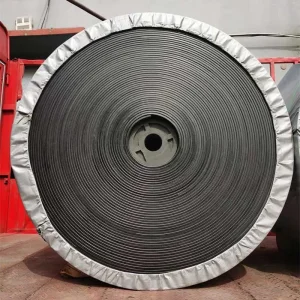
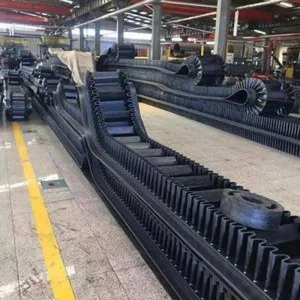
A comprehensive review of engineering advancements in high-friction elastomer chemistry and surface engineering patterns.
In modern bulk solids handling, steep incline conveying offers major space-saving advantages but introduces the physical challenge of backsliding. Standard smooth rubber belts are limited to operational angles under 15 degrees. Moving beyond this threshold requires either customized geometric profiles (such as Chevron, Herringbone, or Wavy Edge structures) or specifically engineered high-coefficient-of-friction (CoF) elastomer compounds.
The coefficient of static friction is directly determined by the vulcanization kinetics and the exact formulation of the compound matrix. By optimizing the blend ratio of natural rubber (NR) and butadiene-styrene rubber (SBR), and precisely balancing carbon black reinforcement, modern manufacturers can engineer conveyor belts that suppress material rollback even at steep angles.
The global bulk logistics sector is prioritizing sustainability and structural diagnostics. Future-focused technical roadmaps include smart sensors embedded directly into the structural carcass (such as fabric plies or steel cords) to monitor wear, slip, and dynamic fatigue in real-time. Additionally, next-generation formulations are moving away from coal-tar fillers toward green silica and bio-based elastomers, offering comparable tensile strength with a smaller environmental footprint.
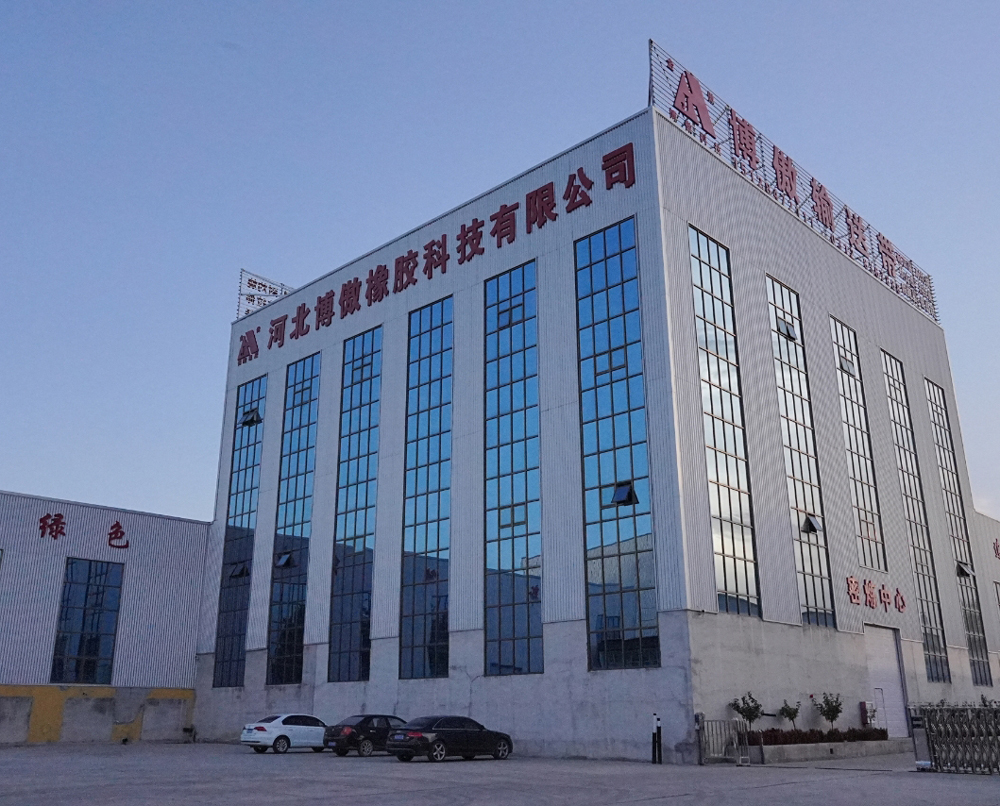
Discover Hebei Boao Rubber Technology Co., Ltd. - Driving industrial conveying technology since 2004.
Hebei Boao Rubber Technology Co., Ltd. is located in the Rubber Industrial Park of Boye County, Baoding, Hebei Province. Founded in 2004, the facility covers an area of over 30 acres. Under our signature product brand "Jinao", we operate as a specialized Chinese manufacturer integrating product development, research, design, production, and after-sales support for heavy-duty conveyor belts and accessories.
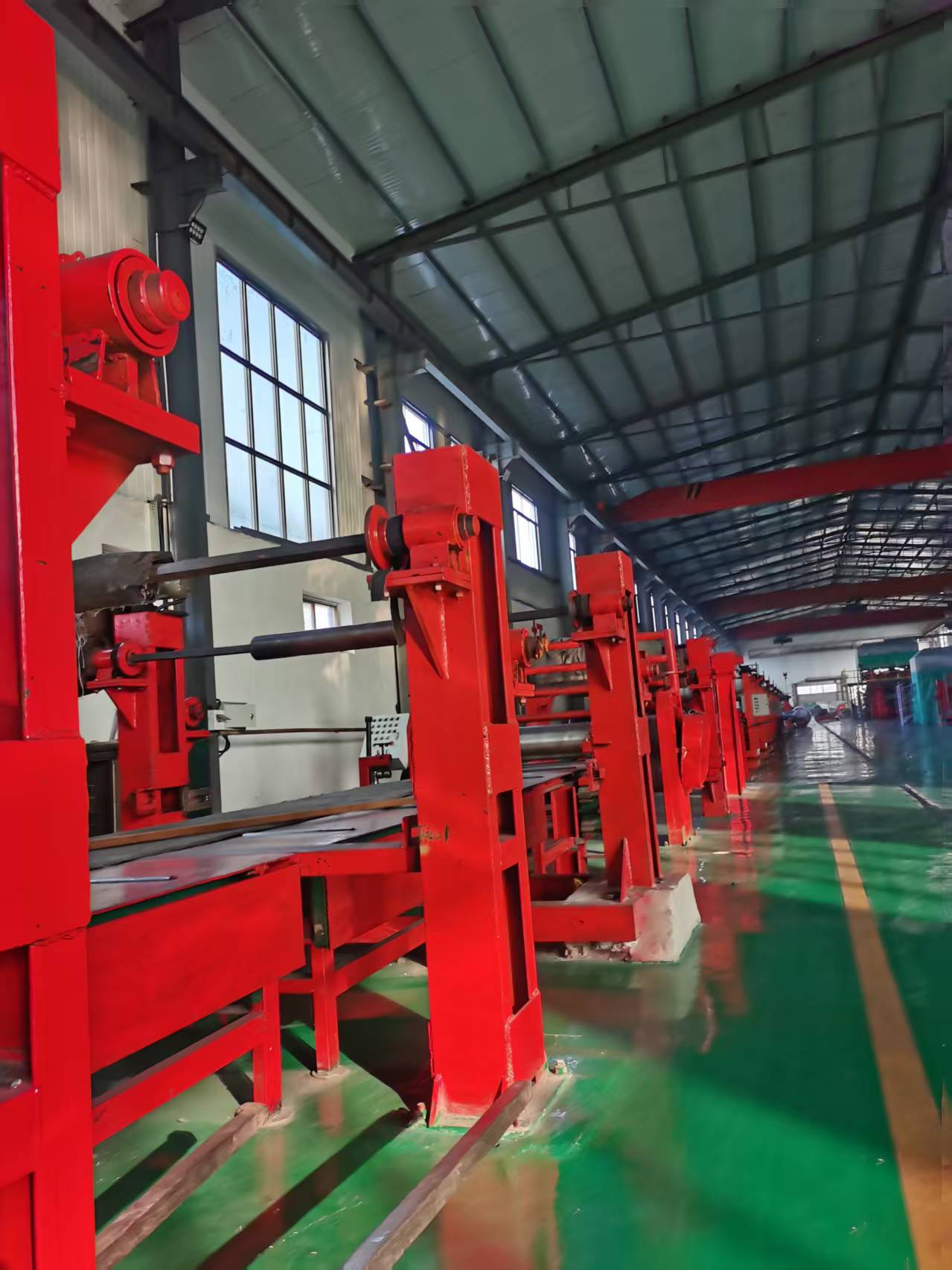
Our manufacturing plant operates multiple advanced production lines for rubber compounding, rolling, belt forming, and continuous vulcanization. To back up our quality commitments, the factory operates an independent chemical analysis lab and a physics testing laboratory. This ensures rigorous control over raw materials, intermediate compounds, and finished conveyor belts.
Multi-ply fabric polyester and polyamide conveyor belts engineered for low elongation, high impact resistance, and long-term durability.
Heavy-duty steel cord lines built for long-distance, high-tension systems requiring high structural stability.
Computer-controlled recipe feeding system guarantees consistent tensile strength, flame retardancy, and anti-abrasion properties.
Strategies for operations and procurement managers evaluating anti-slip belting systems.
When sourcing anti-slip conveyor belts, focusing only on initial purchasing costs often leads to higher operational expenses. Global procurement managers must evaluate conveyor components based on Total Cost of Ownership (TCO), which factors in downtime costs, splice maintenance, wear rate, and power consumption. A lower-grade belt prone to slippage, mis-tracking, or profile wear can quickly offset initial savings by causing material loss and unplanned system downtime.
Belts operating in extreme environments need specialized formulations. For sub-zero operations down to -50°C, cold-resistant plasticizers are required to keep the rubber flexible. For metallurgy or thermal processing, heat-resistant EPDM bases are essential to prevent premature thermal cracking.
Molded-on profiles (such as Chevron patterns) must be vulcanized monolithically with the base cover belt. Cold-bonded or secondary-vulcanized cleats are prone to shear failure under heavy loads, leading to belt failure. Our "Jinao" brand uses integrated molding for maximum profile adhesion.
Underground mining and high-dust handling sites require strict fire safety. Sourced belts must meet flame-retardant certifications (such as ISO 340, MSHA, or DIN standards) to prevent catastrophic flame propagation along the conveyor lines.
How Boao's Jinao brand supports heavy industries with specialized conveyor systems.
Our products are used in demanding industries like steel production, mining, power generation, cement plants, and grain terminals. Each application presents distinct material-handling challenges:
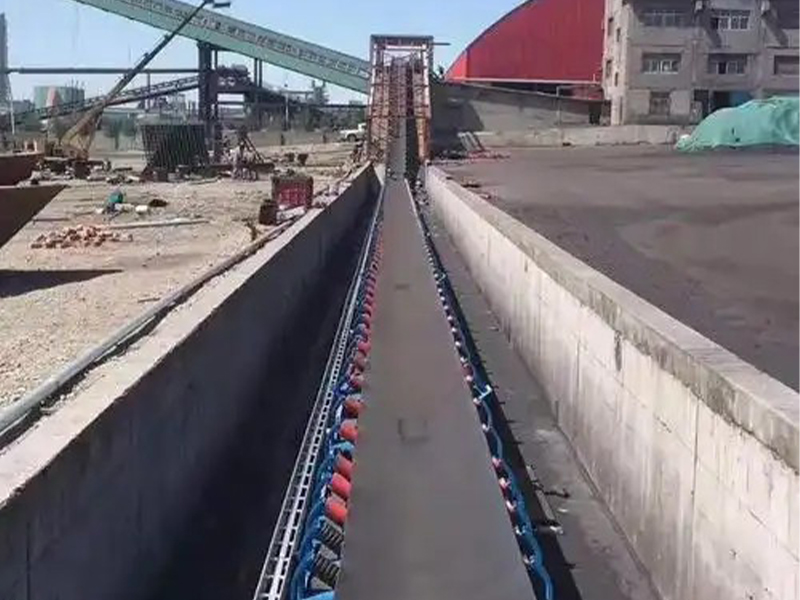
Our products have been proven in critical operations across major industrial groups:
High-temp sinter and raw ore handling systems.
Heavy nickel ore handling under humid conditions.
Highly abrasive clinker transport with optimized abrasion wear.
Steel cord and NN belt installations in rough mining terrains.
Exploring Boao's strict quality control standards, chemical analysis, and product testing methodologies.
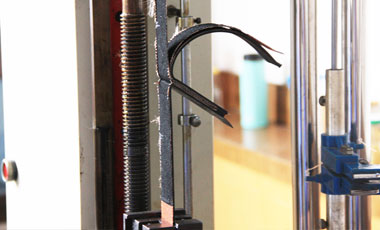
Our quality control operates on a strict principle: unqualified raw materials do not enter the production line, and finished products that do not meet standards do not leave the factory.
To support this commitment, our testing laboratory is equipped to run several crucial material evaluations:
A guide to advanced joint splicing, on-site vulcanization, and modern wear diagnostics.
The weakest point of any conveyor system is the belt splice. For anti-slip, high-tension, or high-angle profiles, using mechanical fasteners is not recommended as they can disrupt the system's tracking and damage clean scraping systems. Instead, hot vulcanized splicing is the preferred method for long-term reliability.
Hot vulcanization requires matching the cover and tie-gum compounds to the base belt. By applying controlled temperature, pressure, and time, the rubber monomers cross-link across the splice interface, creating a continuous loop with up to 90% of the base belt's tensile strength.
Sticky materials like wet clay or fine coal can build up in pattern grooves, reducing grip. Our newer profile designs feature self-cleaning release angles that discharge residual fines as the belt flexes over discharge pulleys.
Boao is working to eliminate chlorinated paraffin additives, replacing them with eco-friendly flame retardants to meet strict global environmental regulations without sacrificing fire safety.
For high-inclination systems, wavy edge sidewalls are combined with cross-cleats. Standard vulcanized joints are being upgraded to hot monolithic curing, significantly reducing edge separation risks.
Expert answers to common engineering and procurement questions regarding industrial conveyor systems.
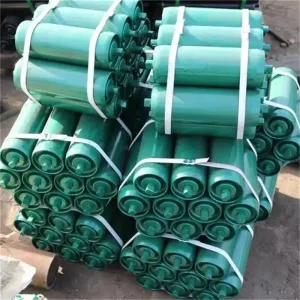
Complete your material handling setup with our supporting components and specialized belt types.
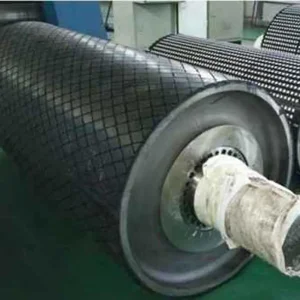
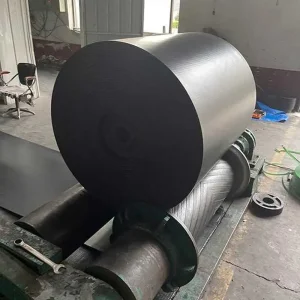
Need support selecting the right compounding grade, profile heights, or carcass specifications? Our engineering team is ready to help customize the ideal anti-slip system for your facility.
INQUIRE NOW Boao Rubber