Explore our heavy-duty industrial conveyor systems, idler rollers, and custom multi-ply configurations certified for peak mechanical efficiency.
A technical overview of current trends in heavy-duty conveyor material handling, mechanical tensile requirements, and global procurement demands.
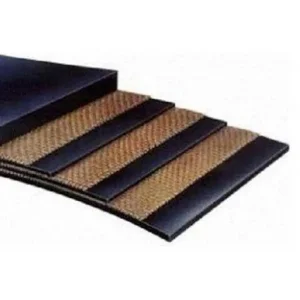
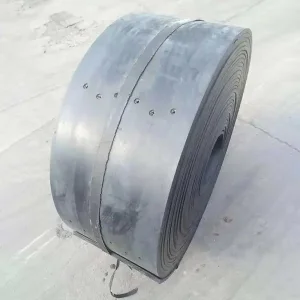
Modern bulk cargo handling requires conveyor systems that balance load capacity, low elongation, and impact resilience. In high-capacity mining operations, steel mills, and quarry setups, 6-ply rubber conveyor belts represent the pinnacle of fabric-reinforced belting technology. Constructed with six distinct layers of synthetic woven plies (typically EP - Polyester-Nylon or NN - Nylon-Nylon fabric), these belts provide exceptional tensile strength and modulus without reaching the excessive weight or cost of steel cord cores.
By dividing mechanical stress across six layers, each embedded in an elastomeric matrix of premium grade rubber, the belt achieves high structural stability. This makes it highly resistant to longitudinal tearing, impact damage, and fastener pull-out, which is critical in steep conveyor designs and high-capacity loading zones.
Procurement teams in heavy industrial fields like mining, cement production, and maritime terminals focus heavily on Total Cost of Ownership (TCO). A common industry problem is unplanned downtime caused by premature conveyor belt degradation. In response, global sourcing requirements have shifted toward suppliers that provide standardized, documented, and fully certified performance guarantees.
Today's smart purchasing metrics require more than standard DIN cover rubber specs. Buyers now demand strict compliance with international frameworks like DIN 22102, ISO 14890, and MSHA flame-retardant parameters. This shift makes it essential to partner with factories that maintain complete control over raw material compound chemistry and polymer calendering, ensuring long-term wear resistance and structural integrity.
How Hebei Boao Rubber Technology leverages smart manufacturing processes, advanced automated equipment, and strict quality control protocols.
Boao utilizes highly precise calendering machinery to coat and friction-embed synthetic fabric plies. Computer-controlled calenders ensure that the hot rubber compound penetrates the weave of the EP/NN fabric. This level of precision eliminates internal voids and maximizes ply-to-ply adhesion strength, preventing delamination under extreme cyclic bending stress.
Our modern Boye County industrial facility features state-of-the-art curing presses that apply uniform heat and pressure across the entire belt width and length. Proper vulcanization controls dynamic properties like rubber cover hardness, elongation at break, and cross-linking density, producing consistent and reliable performance.
Every step of the process is closely monitored, from raw rubber intake to finished product shipment. Our chemical and physical testing labs evaluate tear strength, abrasion resistance, and ply adhesion. We utilize specialized testing equipment, including DIN abrasion testers and dynamic fatigue testers, to ensure compliance with standards before delivery.
Home of the Renowned "Jinao" Brand Conveyor Belts
Established in 2004 and situated in the Boye County Rubber Industrial Park, Baoding, Hebei Province, Hebei Boao Rubber Technology Co., Ltd. spans over 30 acres of advanced manufacturing space. Under our flagship "Jinao" brand, we design, manufacture, and distribute high-capacity conveyor belts and conveyor system components globally.
Our facility houses modern production lines for compounding, calendering, forming, vulcanization, and finished product inspection. Over the past 22 years, we have achieved international quality management system certifications and established our reputation as a trusted manufacturing partner for multi-ply and steel-reinforced conveyor belt systems.
Our focus on reliability is backed by complete testing capabilities, including physical property analysis, steel-cord dynamic pull-out testing, and custom formulation development. This enables us to customize products to handle tough operational conditions, including heat, cold, acid, and high abrasion.
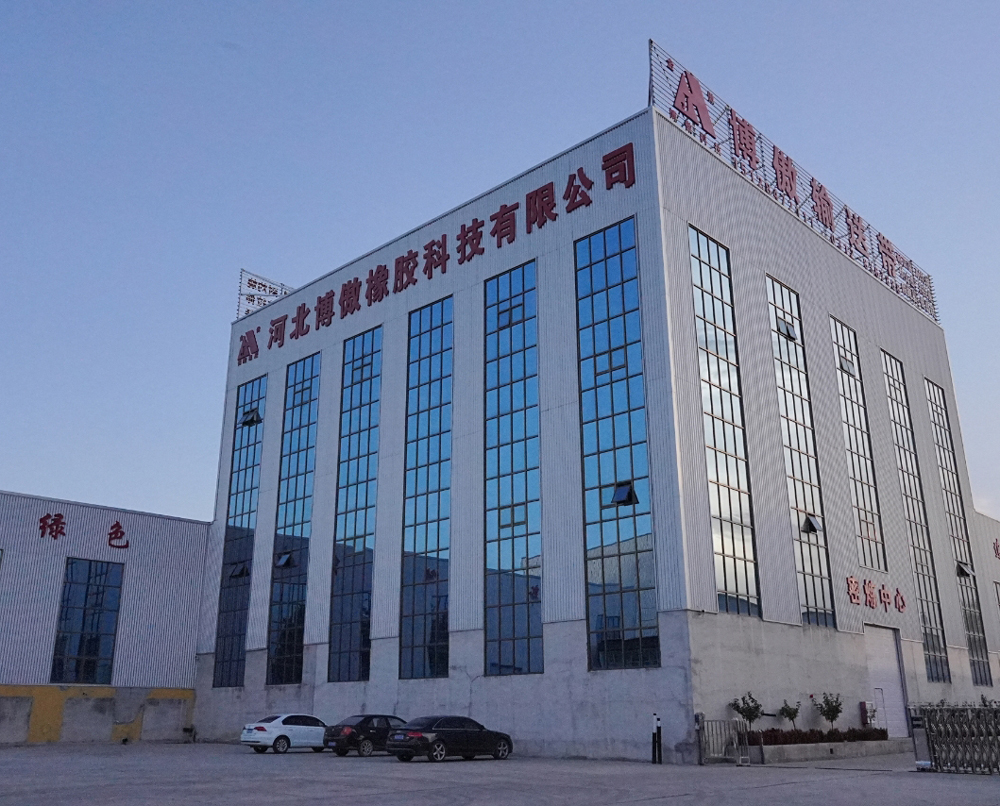
A look inside Hebei Boao's manufacturing infrastructure, featuring advanced automated compounding lines and high-precision quality control instruments.
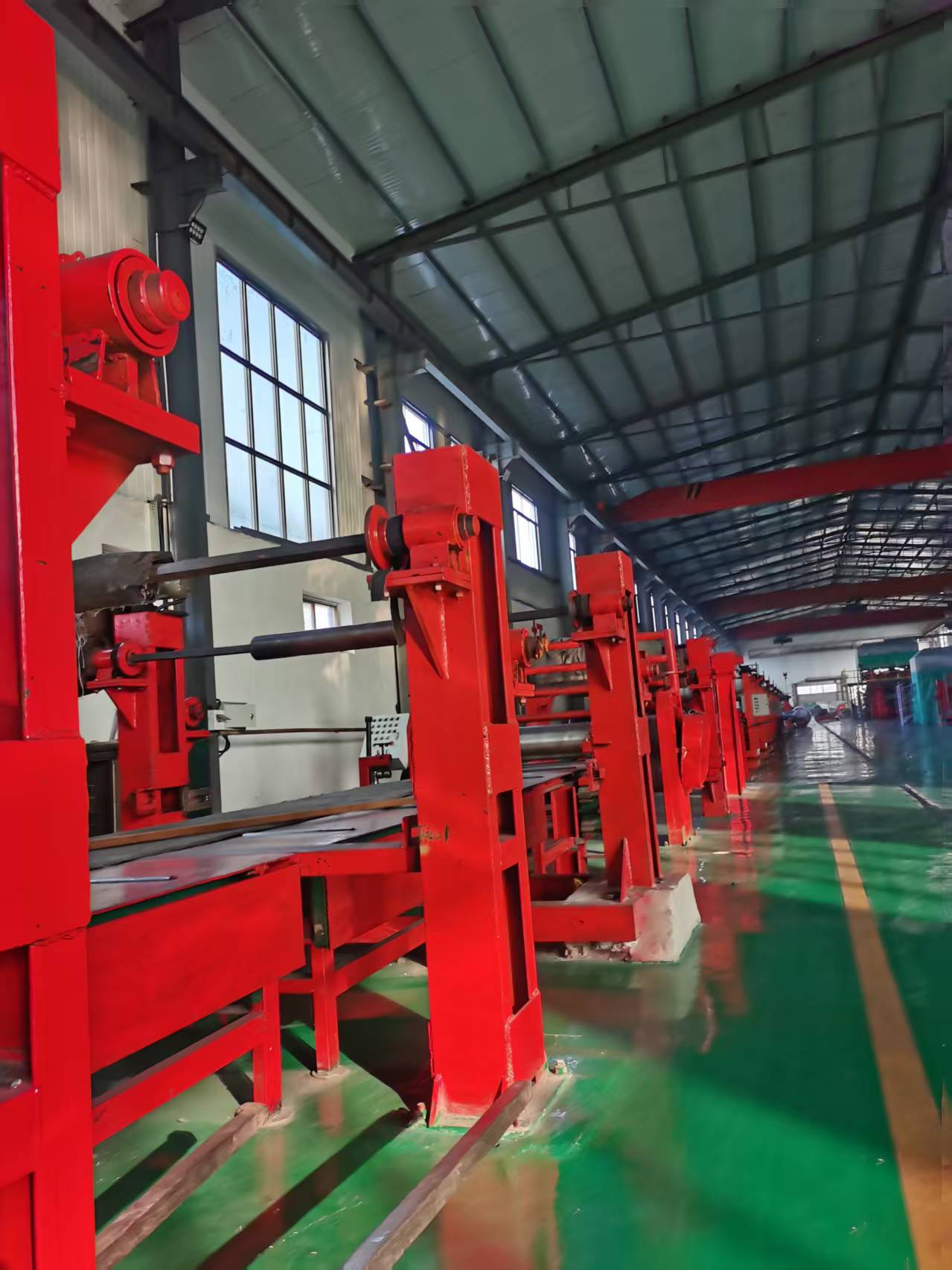
Fabric Belt Shaping & Pressing Line
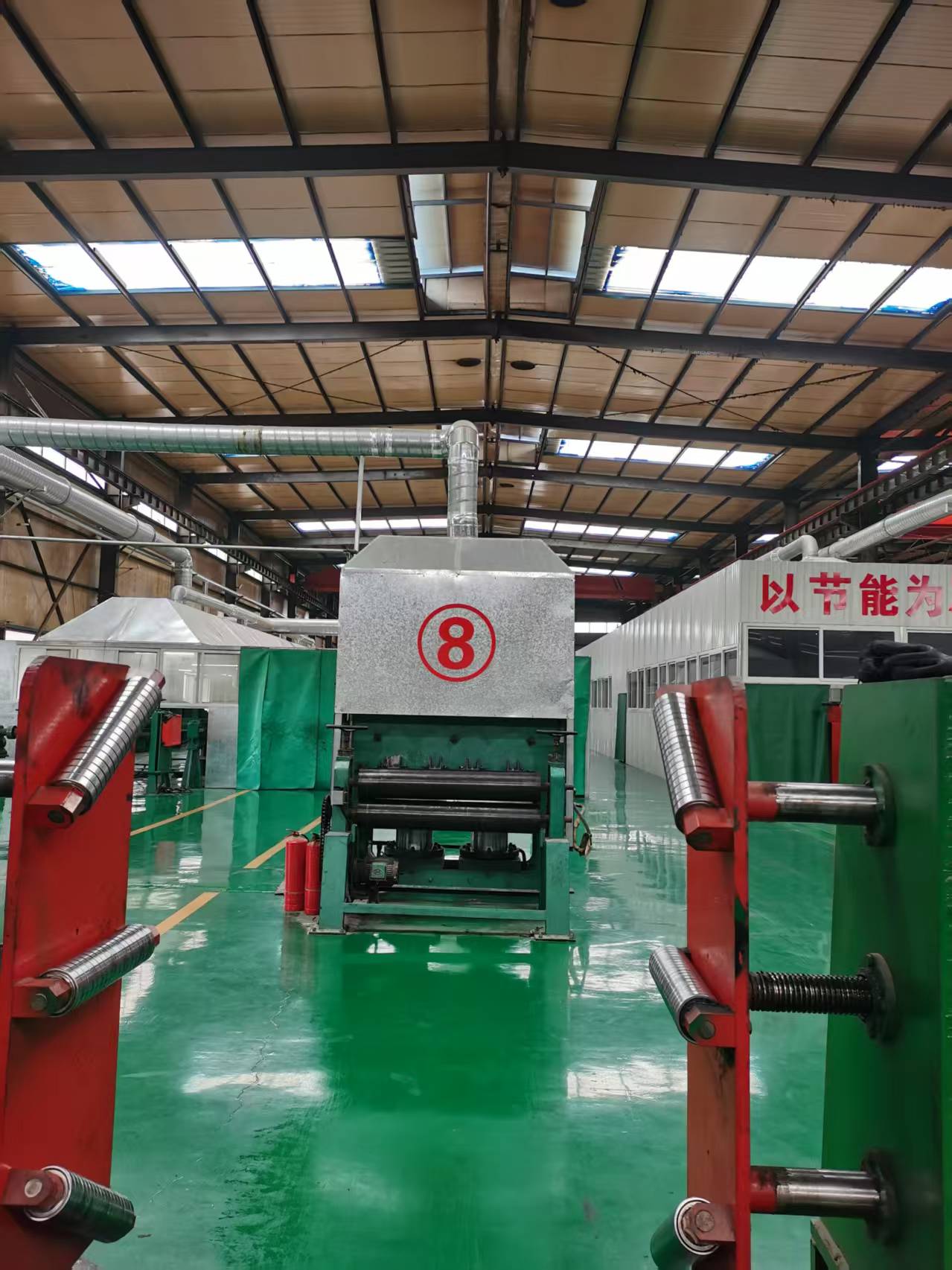
Steel Cord Conveyor Belt Line
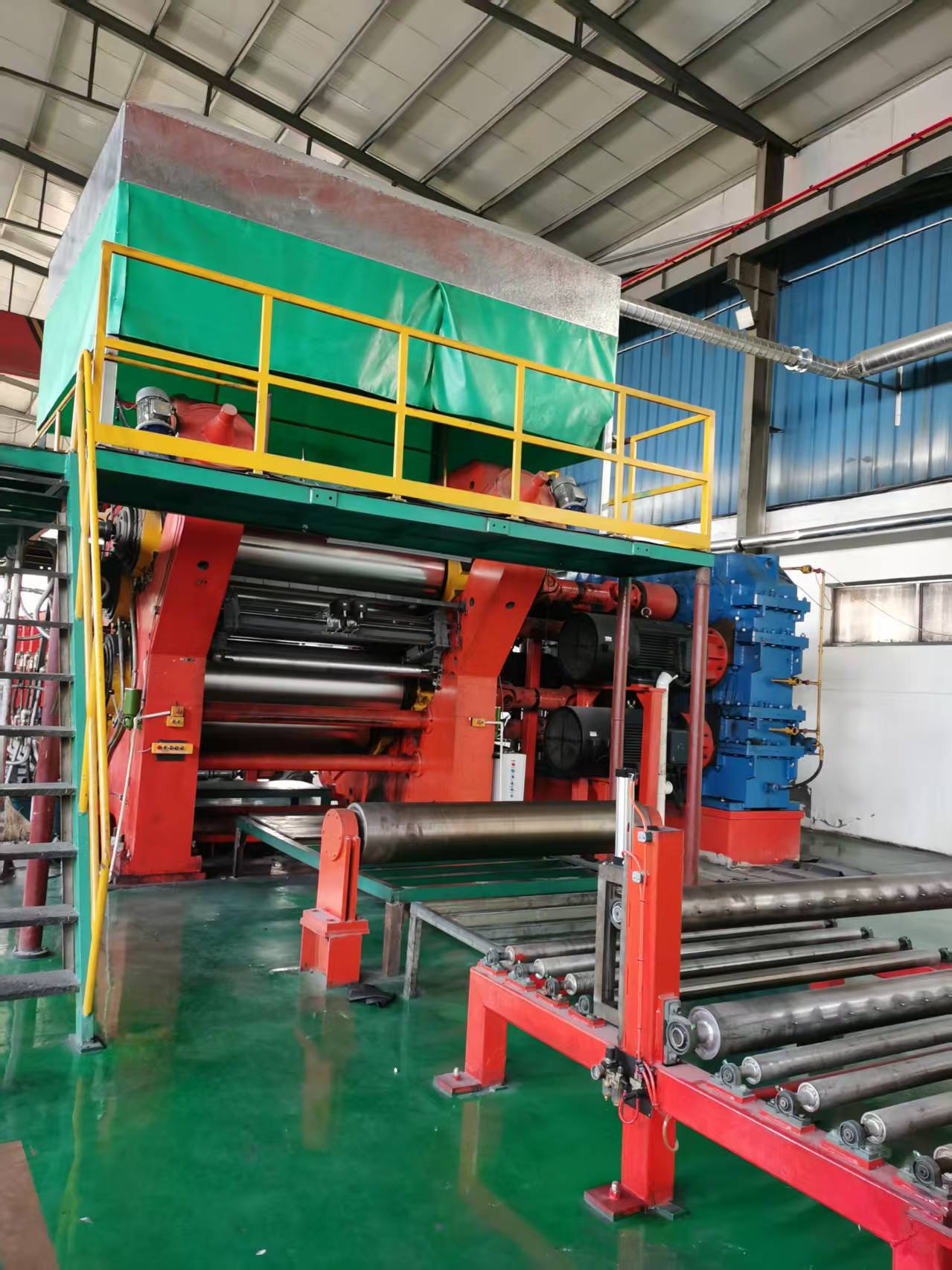
High-Precision Calendering Unit
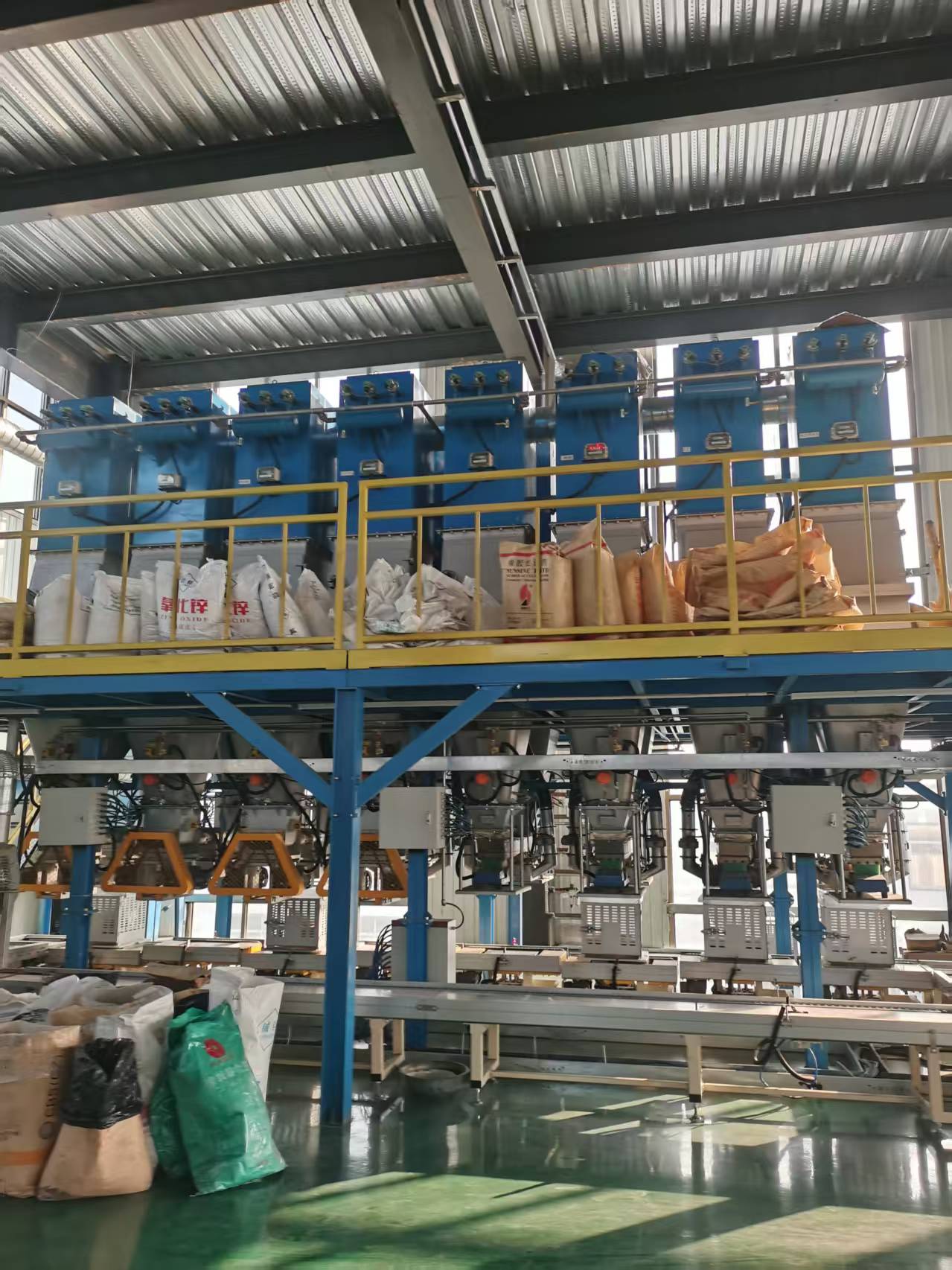
Automated Dosing Control System
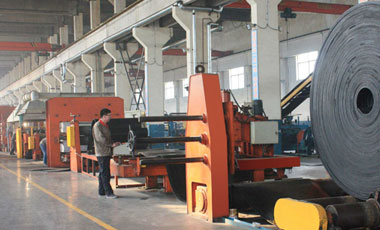
Dynamic Fatigue & Wear Tester
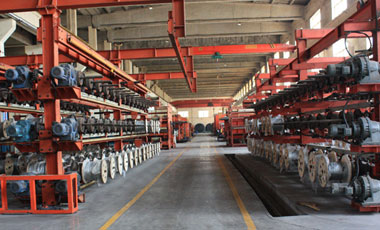
High-Capacity Abrasion Test Lab
Discover how the 6-ply rubber belt performs across industries requiring long life, high stability, and resistance to environmental stress.
In underground mining and sorting facilities, conveyor systems operate continuously under heavy loads. The 6-ply rubber belt provides high impact resistance to prevent punctures from sharp ores, stones, and heavy materials. Designed for high mechanical stability and minimal stretch, it operates reliably on long center-to-center conveyor lines with minimal maintenance requirements.
Transporting materials in steel plants requires heat-resistant cover compounds. Engineered with EPDM and specialist polymers, our heat-resistant 6-ply belts handle materials up to 200°C (and brief spikes up to 400°C), preventing dry rot, cracking, and core separation under hot operating conditions.
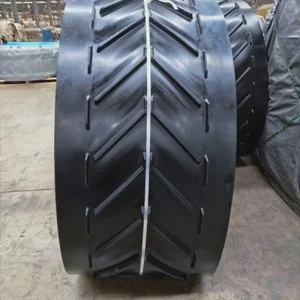
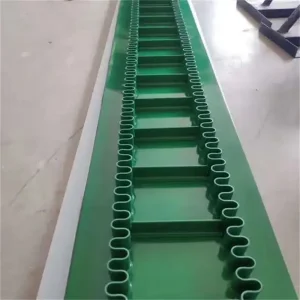
Cement manufacturing and port handling demand high-inclination transport and wear resistance. Our 6-ply chevron and patterned belts provide stable vertical material transport, while the abrasion-resistant rubber covers protect against abrasive powders, sand, and gravel.
| Belt Core Material | Standard Ply Thickness | Adhesion Strength | Tear Resistance |
|---|---|---|---|
| EP-200 Polyester-Nylon | 6-Ply (Approx. 9.5mm - 12mm) | > 6.0 N/mm (Ply-to-Ply) | Extra High Grade |
| NN-200 Nylon-Nylon | 6-Ply (Approx. 10mm - 14mm) | > 6.5 N/mm (Ply-to-Ply) | Premium Grade |
| Heat-Resistant (EPDM) | 6-Ply (Custom Profile) | > 5.5 N/mm (Ply-to-Ply) | Superior Heat Grade |
| Flame Retardant (MSHA) | 6-Ply (Custom Profile) | > 6.0 N/mm (Ply-to-Ply) | Self-Extinguishing |
Our heavy-duty conveyor systems are verified in demanding bulk handling operations around the globe.
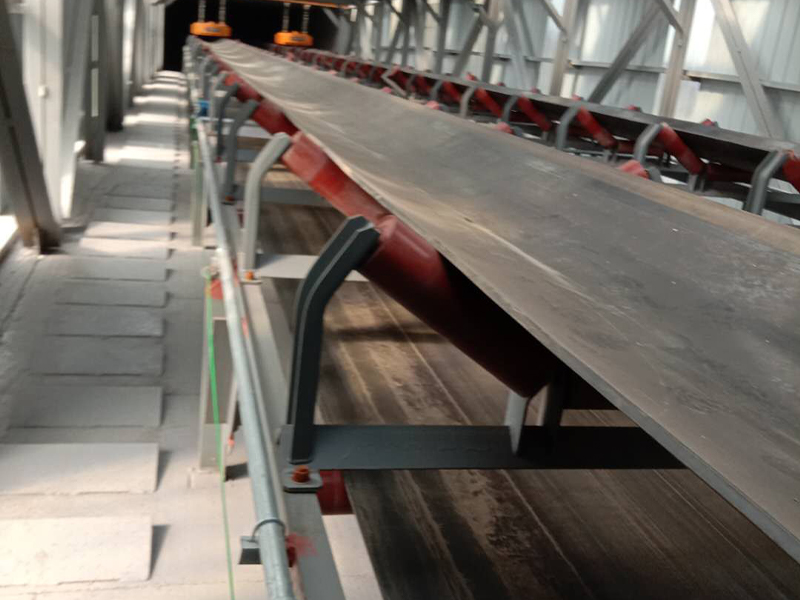
Supplied heat-resistant 6-ply conveyor belts for sinter transport lines, reducing belt replacement frequency by 40%.
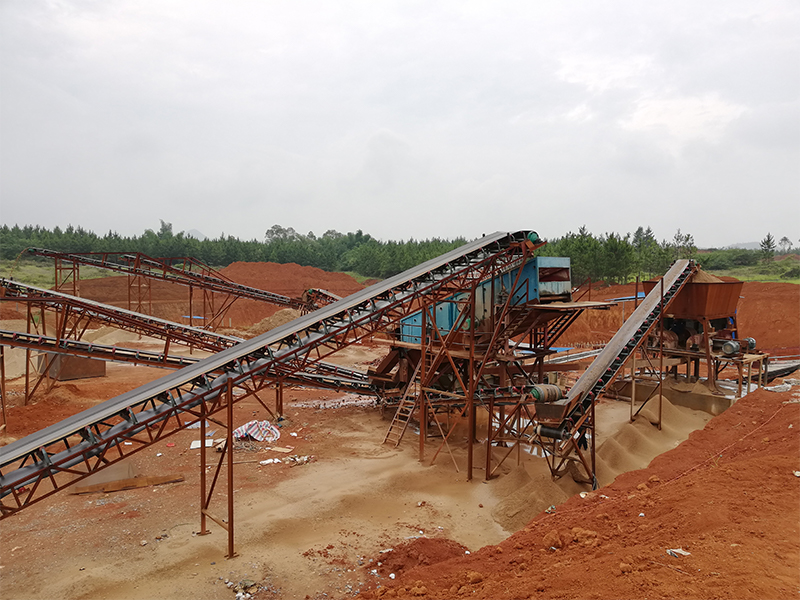
Equipped nickel processing lines with high-wear resistant NN 6-ply belting systems for reliable bulk material handling.
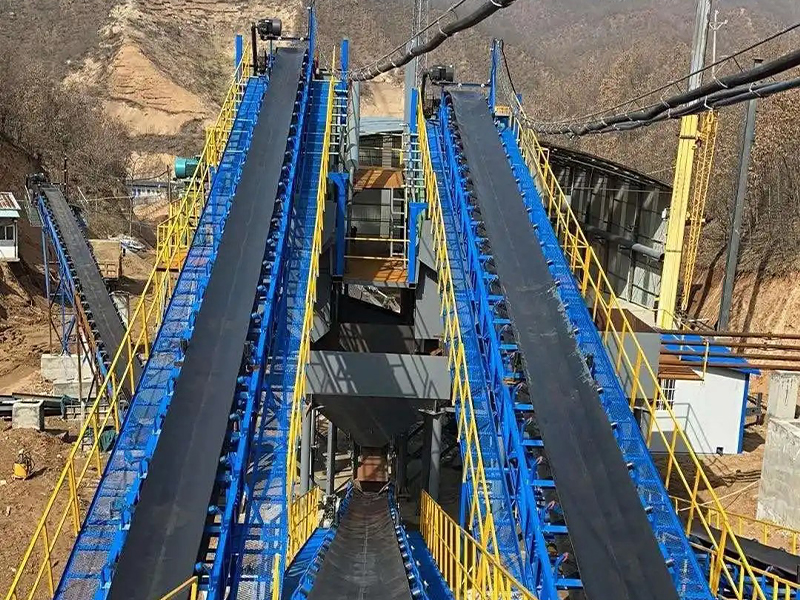
Implemented high-impact resistant multi-ply belts on conveyor lines carrying raw copper ore, reducing downtime.
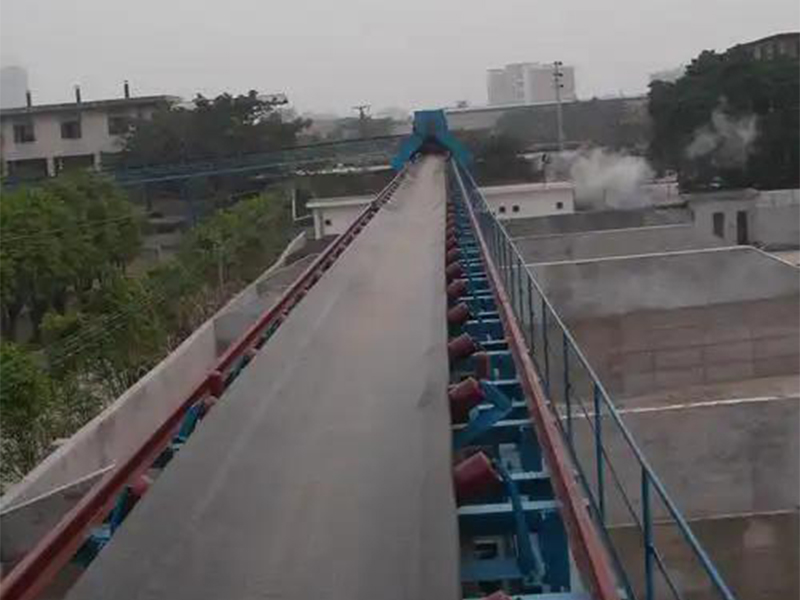
Provided abrasion-resistant 6-ply limestone transport belts, delivering long operational life under high dust loads.
Comprehensive technical support, preventative maintenance programs, and custom designs engineered to maximize your system uptime.
We provide onsite laser-based cover thickness measurements and belt tracking evaluations. This allows you to forecast belt wear and schedule replacements during planned maintenance windows, avoiding unexpected downtime.
We provide step-by-step guidance on hot vulcanized finger and step-splice designs, as well as mechanical fastener selection. Proper joint design ensures the dynamic fatigue life of the belt joint matches the belt core.
We partner with high-capacity bulk handlers to manage and store emergency spare belts. Our team advises on proper roll storage conditions to protect raw rubber from ozone cracking and heat degradation over time.
Find technical answers on rubber compounds, selection criteria, maintenance practices, and dynamic performance specifications.
Contact our application engineering team to receive customized product data sheets, compound formulation options, and bulk pricing schedules.
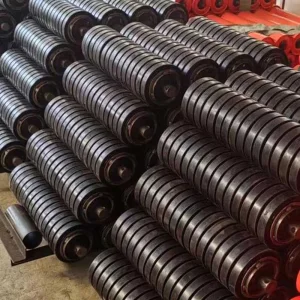
Explore our heavy-duty steel wire rope core belts, anti-tear solutions, and matching high-strength idler rollers for material handling installations.
 Boao Rubber