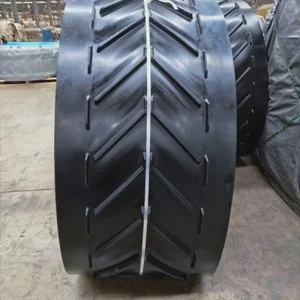
Explore our elite selection of rubber conveyor belts, heavy-duty idler rollers, and specialized components directly from the certified factory.
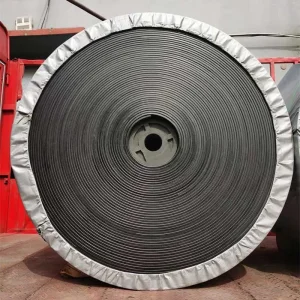
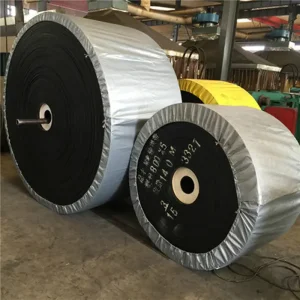
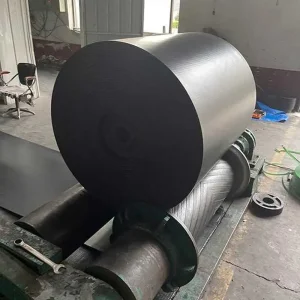
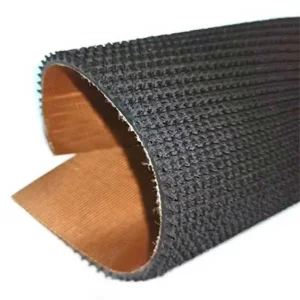
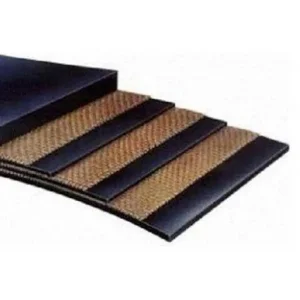
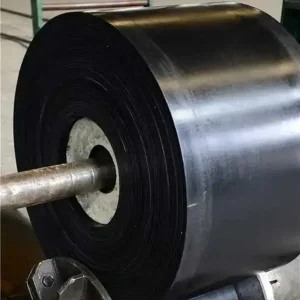
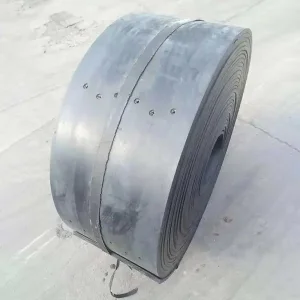
In modern heavy bulk materials handling, a 4-ply rubber conveyor belt serves as a robust standard for high-duty, wear-intensive systems. Unlike thinner carcass options, a 4-ply structural design stacks four distinct layers of high-tensile fabric reinforcement (principally EP polyester-nylon or NN polyamide) sandwiched between heavy elastomer layers. This multiple-ply configurations balances structural flex with impact resistance, offering high longitudinal tensile capacities alongside superb transverse flexibility.
EP plies utilize polyester yarn in the warp (lengthwise direction) and nylon fibers in the weft (crosswise direction). This offers low elongation at high operating loads. Conversely, NN carcass layers utilize nylon yarns in both directions for environments demanding higher structural elastic recovery.
High-shear rubber skim coats are applied between each fabric ply. This structural layer mitigates internal friction, optimizes distribution of dynamic shear loads, and prevents ply-delamination during high-speed, multi-troughing cycles.
The protective cover compound is formulated based on severe operating conditions. DIN 22102 Grade X/Y/W and RMA Class I & II compounds specify exact wear resistance, tensile strength, and crack propagation values to match materials demands.
The mechanical capabilities of a 4-ply rubber conveyor belt depend on the raw material purity of both the elastomer compound and the structural fabric weave. By utilizing advanced vulcanization technologies, leading manufacturers can guarantee a zero-void internal matrix, minimizing the risk of edge separation, moisture penetration, and localized fatigue failures under extreme tension.
Industrial decision-makers select conveyor belts based on physical metrics rather than marketing generalities. The table below represents the core parameters of our high-integrity 4-ply EP / NN conveyor belt families manufactured in Boye County, Hebei, China under standard quality assurance criteria.
| Property / Parameter | EP-800/4 Grade | EP-1000/4 Grade | EP-1250/4 Grade | Standard Alignment |
|---|---|---|---|---|
| Longitudinal Tensile Strength | 800 N/mm | 1000 N/mm | 1250 N/mm | DIN 22102 / ISO 283 |
| Number of Plies | 4 Ply (Polyester/Polyamide) | 4 Ply (Polyester/Polyamide) | 4 Ply (Polyester/Polyamide) | Internal Spec |
| Warp/Weft Elongation (Working Tension) | ≤ 1.5% | ≤ 1.5% | ≤ 1.2% | ISO 251 |
| Inter-Ply Adhesion (Fabric to Fabric) | ≥ 4.5 N/mm | ≥ 5.0 N/mm | ≥ 5.5 N/mm | ISO 252 |
| Rubber Cover to Ply Adhesion | ≥ 3.5 N/mm | ≥ 4.0 N/mm | ≥ 4.5 N/mm | ISO 252 |
| Rubber Cover Abrasion Loss | ≤ 120 mm³ (Grade X) | ≤ 90 mm³ (Grade W) | ≤ 150 mm³ (Grade Y) | DIN 53516 / ISO 4649 |
| Troughing Index Ratio (Belt Width) | Favorable for 30° - 45° idler angles | Excellent structural load retention | Optimized for high-tonnage mining | ISO 703 |
4-ply conveyor belts function across diverse industrial systems. By matching custom cover rubber configurations with heavy-duty internal cores, these belts excel in highly abrasive and stressful environments.
Taihang Steel & Puyang Steel Group: Handling high-temperature sintered ores, coke, and slag requires high-temperature rubber conveyor belts that resist oxidation and structural cracking at continuous operating temperatures up to 200°C.
Zijin Mining & Datong Coal Group: High-altitude mineral extractions require flame retardant rubber conveyor belts that maintain flexibility in freezing weather, while ensuring structural flame resistance under subterranean mining codes.
Conch Cement & Jidong Cement Group: Conveying abrasive raw clinker and limestone requires high wear-resistance. Our 4-ply EP-1000/4 belts feature low-abrasion compounds to minimize surface wear and prolong service life.
In specialized civil construction contexts, such as the China Railway Group Mixing Plants, 4-ply conveyor belts manage vertical elevation shifts of aggregate and wet concrete mix. The carcass thickness profile handles the high impact energies from hopper discharges without puncture or edge deformation.
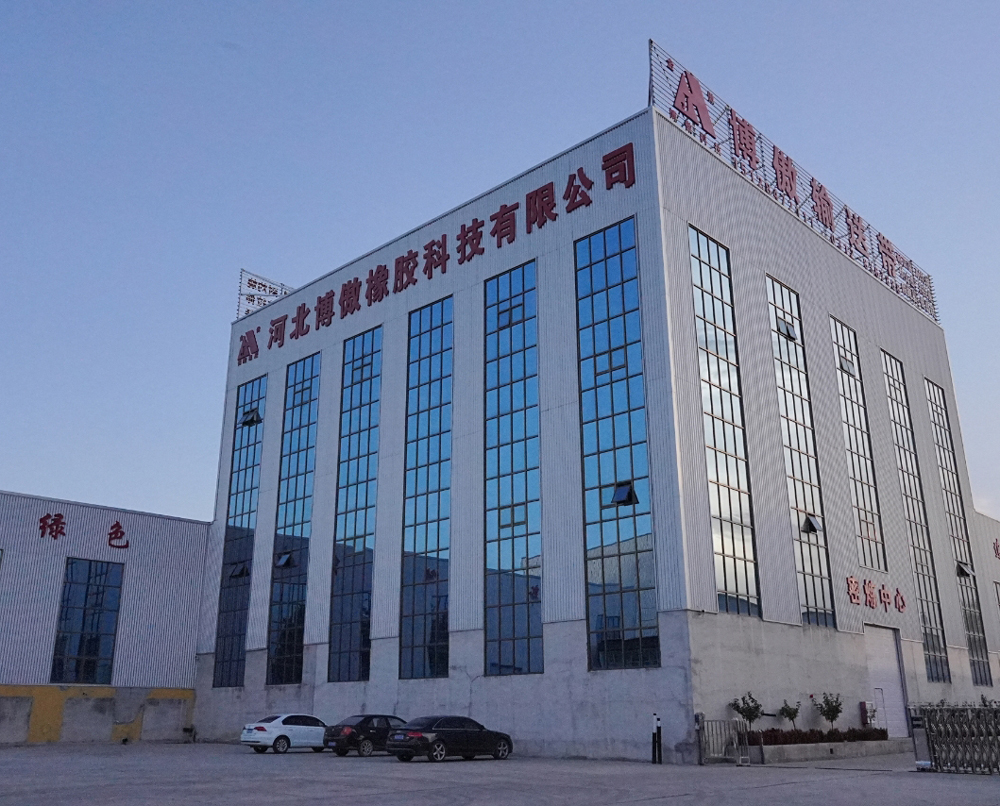
Founded in 2004 and operating in the Rubber Industrial Park of Boye County, Baoding, Hebei Province, Hebei Boao Rubber Technology Co., Ltd. boasts 22 years of specialized manufacturing experience. The modern facility covers over 30 acres, integrating vertical product development, advanced calendering, continuous vulcanization, and strict laboratory testing.
Under our proprietary "Jinao" brand, Boao Rubber manufactures high-performance belt conveyor systems and supporting components. We maintain control from raw materials to final shipment through an in-house chemical analysis room and testing laboratory, ensuring no substandard compounds enter production.
Our facility houses advanced equipment for processing heavy fabrics and elastomer compounds, including:
To ensure field reliability, Boao Group utilizes laboratory testing instruments to verify the physical properties of each production batch:
The global bulk handling sector is moving toward sustainability, energy reduction, and predictive safety. Our technology roadmap focuses on three development areas:
Boao Rubber conveyor belts are manufactured in compliance with international industrial codes. Our enterprise holds multiple certifications (including ISO 9001, ISO 14001, and ISO 45001 / ISO 18001), and can align products with API 6D, API 607, CE, and TS specifications.
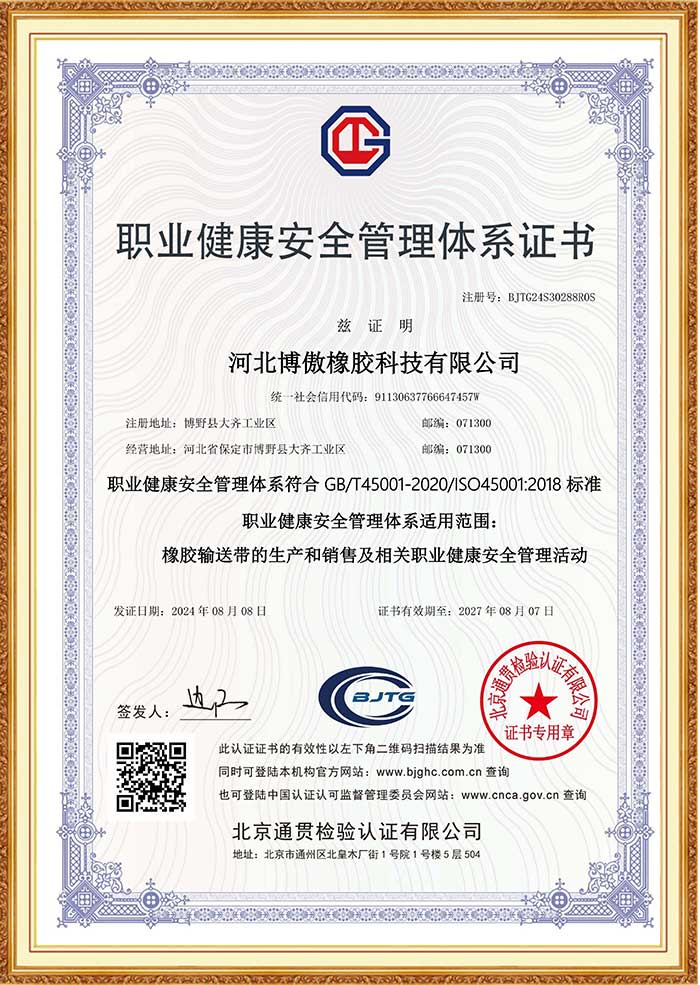
Quality System
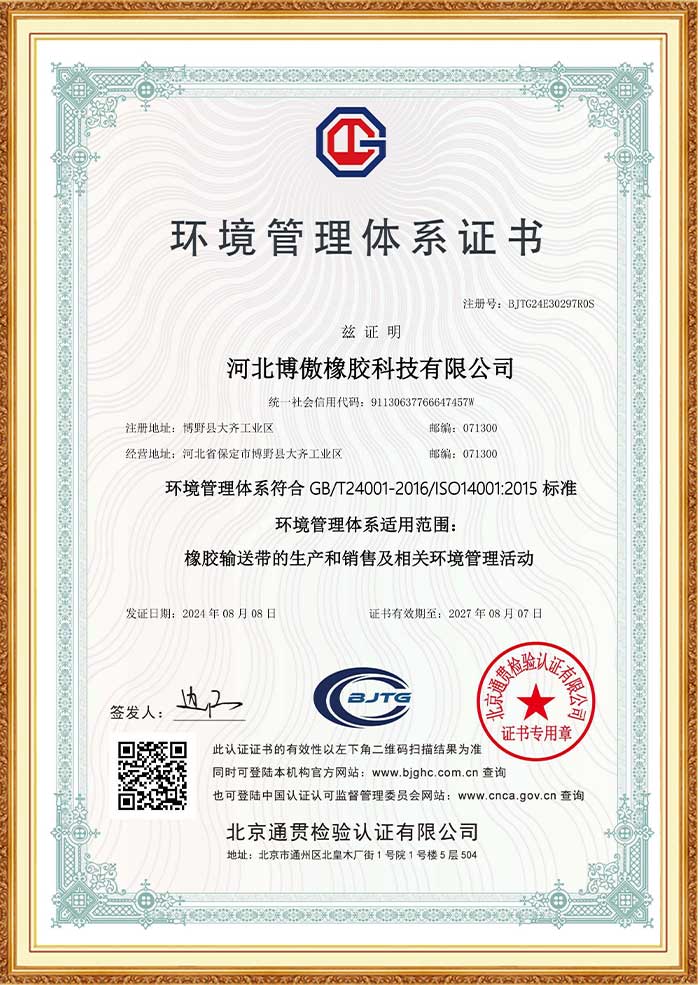
Environmental Certificate
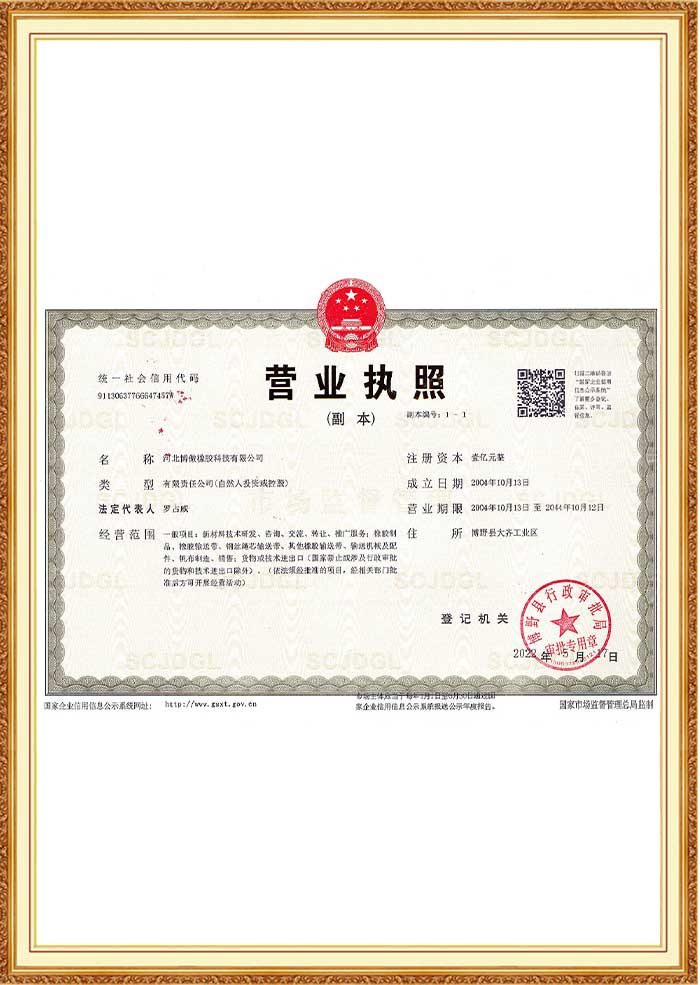
Safety Standards
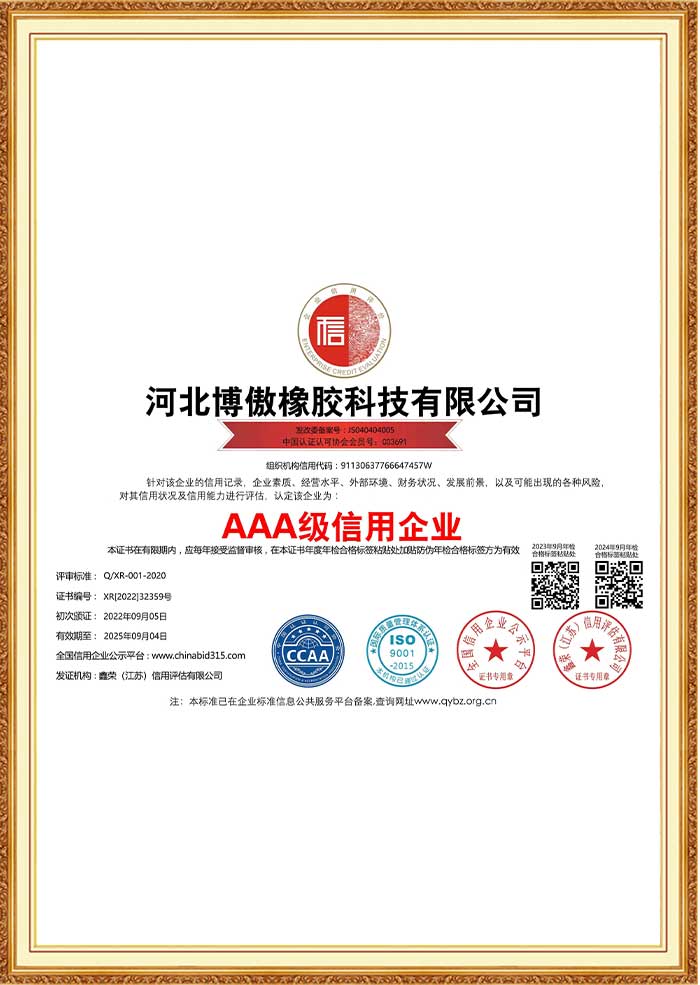
API Alignment
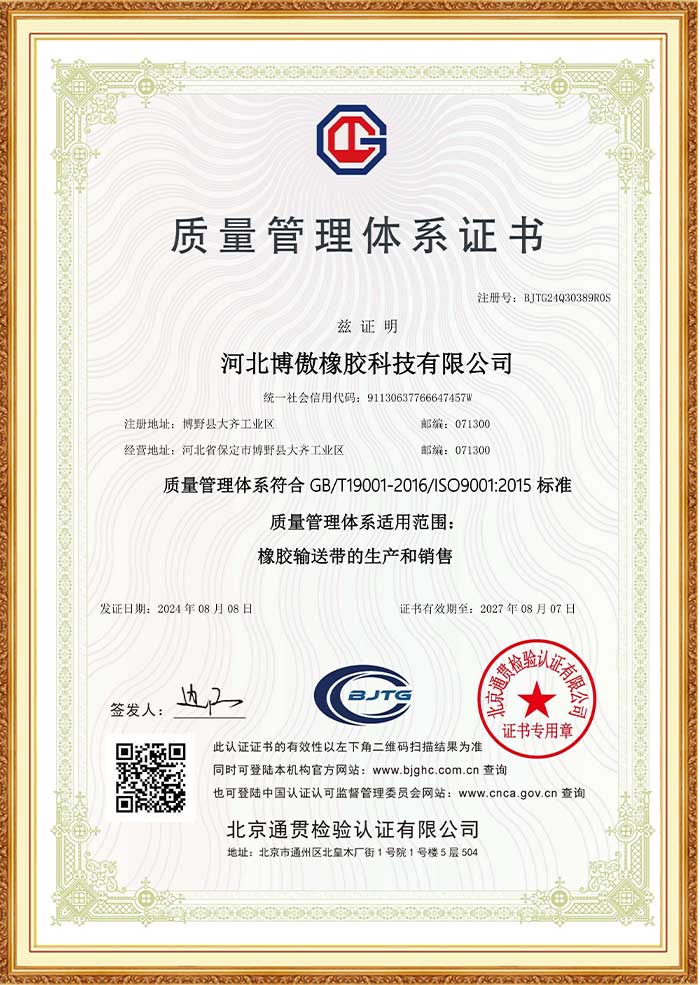
CE Compliance
TS License
Expert engineering perspectives addressing the design, selection, and maintenance of 4-ply industrial rubber conveyor belts.
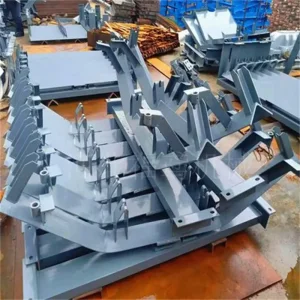
Our complete range of supporting equipment, idlers, and engineered conveyor structures ensures optimized system performance.
 Boao Rubber