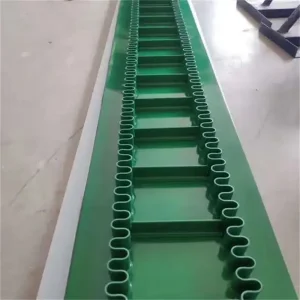
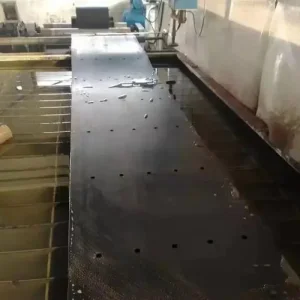
Discover our primary performance-engineered products optimized for heavy material transport, packing lines, and heavy-duty logistics operations across London and the UK.
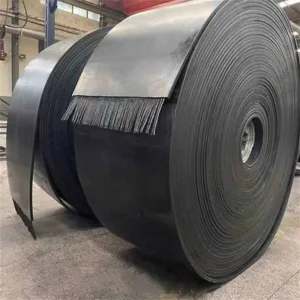
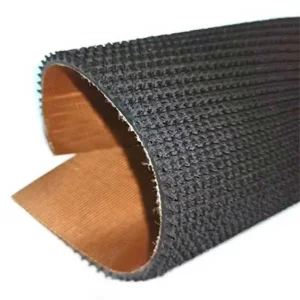
As the Greater London area transitions to smart urban logistics, the demand for high-efficiency, low-noise, and sustainable material handling systems has reached an all-time high. Major distribution hubs along the M25 corridor, key airport cargo terminals at Heathrow and Gatwick, and food manufacturing centers in Park Royal require lightweight conveyor systems that operate reliably under continuous cycle patterns.
In this demanding urban environment, standard heavy-duty rubber belts are frequently replaced by lightweight alternatives. Lightweight synthetic conveyor belts—specifically those composed of Polyvinyl Chloride (PVC) and Polyurethane (PU)—offer unmatched flexibility, lower energy consumption, and high operational safety. Local engineering contractors, warehouse integration firms, and conveyor suppliers in London are actively sourcing these products to maintain critical infrastructure in distribution logistics, high-throughput recycling facilities, and compliance-driven food production lines.
Understanding the core chemical differences and mechanical metrics of synthetic belting is vital to optimizing system performance and achieving long service life. Selecting the appropriate cover material determines the belt's resistance to oils, chemical washdowns, extreme temperatures, and mechanical fatigue.
PVC (Polyvinyl Chloride) Belts: Best suited for general packaging, incline transit, and airport baggage handling. PVC covers provide high resistance to abrasions and chemicals, while remaining cost-effective for large-scale operations.
PU (Polyurethane) & TPU Belts: Ideal for food processing, pharmaceuticals, and high-frequency sorting. PU is highly flexible, offers superior cut and tear resistance, and has zero-leaching properties, meeting strict FDA and EU regulations for direct food contact.
| Feature | PVC Belting | PU Belting |
|---|---|---|
| Operating Temp | -10°C to +80°C | -30°C to +110°C |
| Oil & Fat Resistance | Moderate | Excellent (FDA) |
| Min. Pulley Diameter | Larger (30mm+) | Micro (Knife Edge) |
| Tear Resistance | Good | Exceptional |
| Abrasion Resistance | High | Extremely High |
Modern conveyor systems require specialized configurations. At Hebei Boao Rubber Technology, we design systems that match specific industrial requirements:
High-speed sorting lines require low-noise, high-coefficient friction belts to secure parcels. Anti-static and energy-saving designs reduce operational costs in massive fulfillment hubs.
PU belts with sealed edges prevent bacterial build-up. Resistant to hot water washes, oil exposure, and harsh cleaning agents, they meet strict regulatory requirements.
Flame-retardant and highly impact-resistant PVC belts ensure safe, high-load transport for baggage handling systems and distribution facilities.
For over 22 years, Hebei Boao Rubber Technology Co., Ltd. (located in the Boye County Rubber Industrial Park, Baoding, Hebei Province, China) has developed state-of-the-art compounding and belt manufacturing technology. Spanning over 30 acres, our factory hosts multiple automated production lines for calendering, shaping, vulcanization, and material testing.
Under our premium brand, "Jinao", we provide a complete selection of high-performance belts, including fabric-reinforced options (EP, NN, PP), heat-resistant belts, chemical-resistant types, and custom patterned structures. By combining automated raw material dosing, real-time thickness profiling, and advanced quality assurance practices, we ensure every production run delivers consistent performance.
Our physical testing lab and chemical analysis facilities monitor every stage of production. From raw polymer sourcing to final product inspection, we verify that only conforming belts leave our factory.
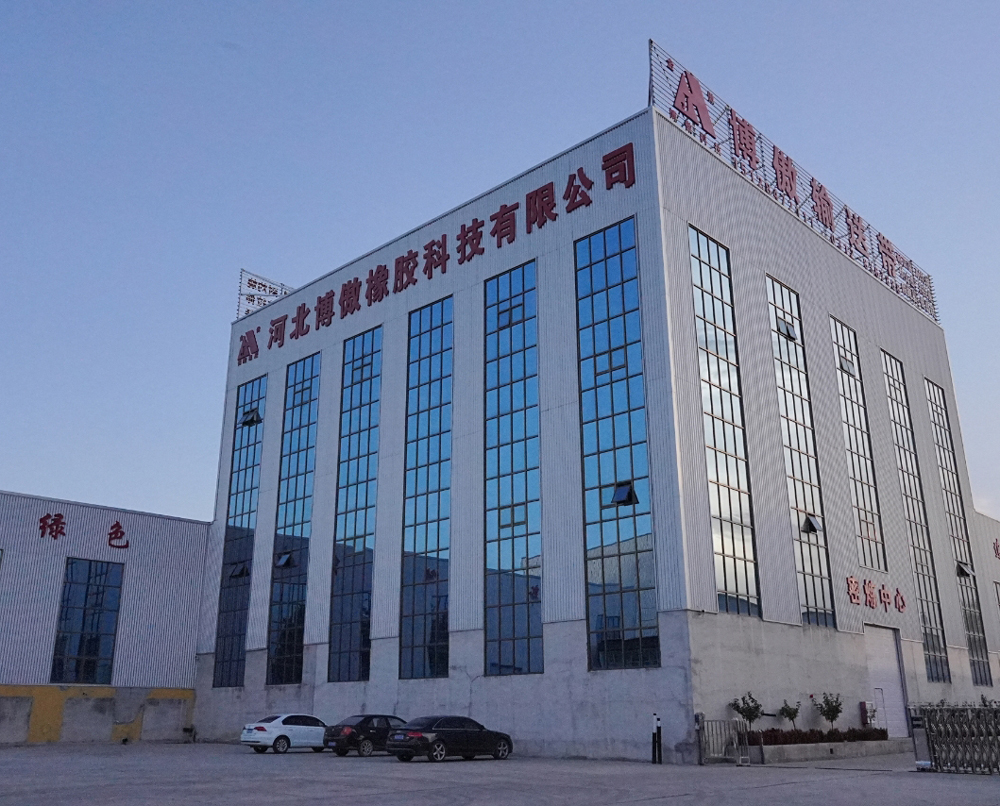
Explore our factory-direct industrial catalog, featuring high-durability rubber, steel cord, and patterned conveyor solutions.
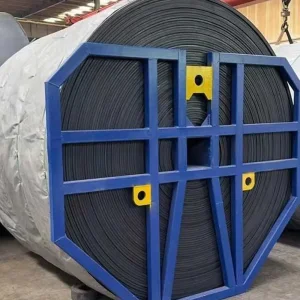
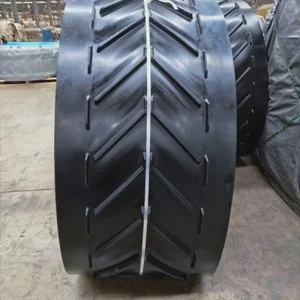
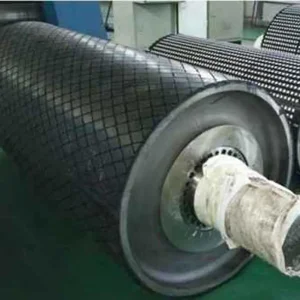
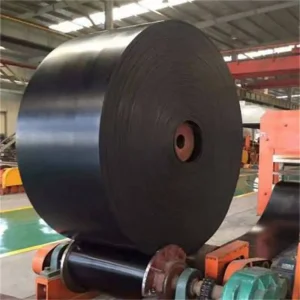
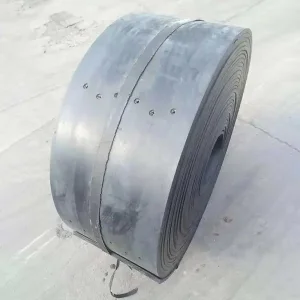
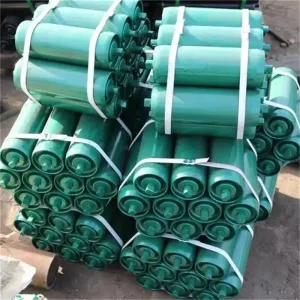
Supplying industrial solutions to Europe and the UK requires strict adherence to international standards. Hebei Boao Rubber products conform to key regulatory benchmarks:
| Regulation / Standard | Application | Compliance Details |
|---|---|---|
| FDA 21 CFR 177.2600 | Food Handling | Verifies PU and TPU materials are non-toxic and clean for handling dry, aqueous, and fatty food products. |
| ISO 9001:2015 | Quality Management | Applies to all factory operations from initial compound mixing to product packaging and shipment. |
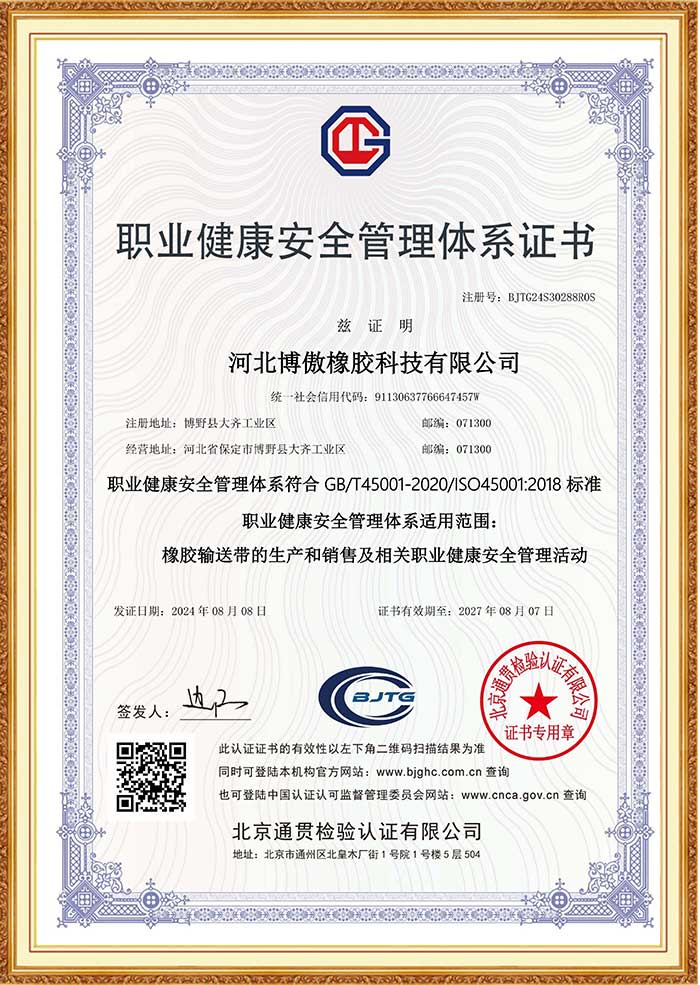
| ISO 14001 & ISO 18001 | Environment & Safety | Governs sustainable manufacturing practices and health and safety metrics at the production facility. |
| EN 12882 | Fire Safety | Applies to conveyor belts for general purpose use, establishing strict flame-retardant performance criteria. |
Additionally, our quality laboratories perform testing for abrasion resistance, tear strength, dynamic fatigue limits, and steel cord pull-out durability. This testing ensures that our products maintain long service intervals in demanding operations.
Our facilities are certified under global quality, environmental, and occupational safety frameworks.
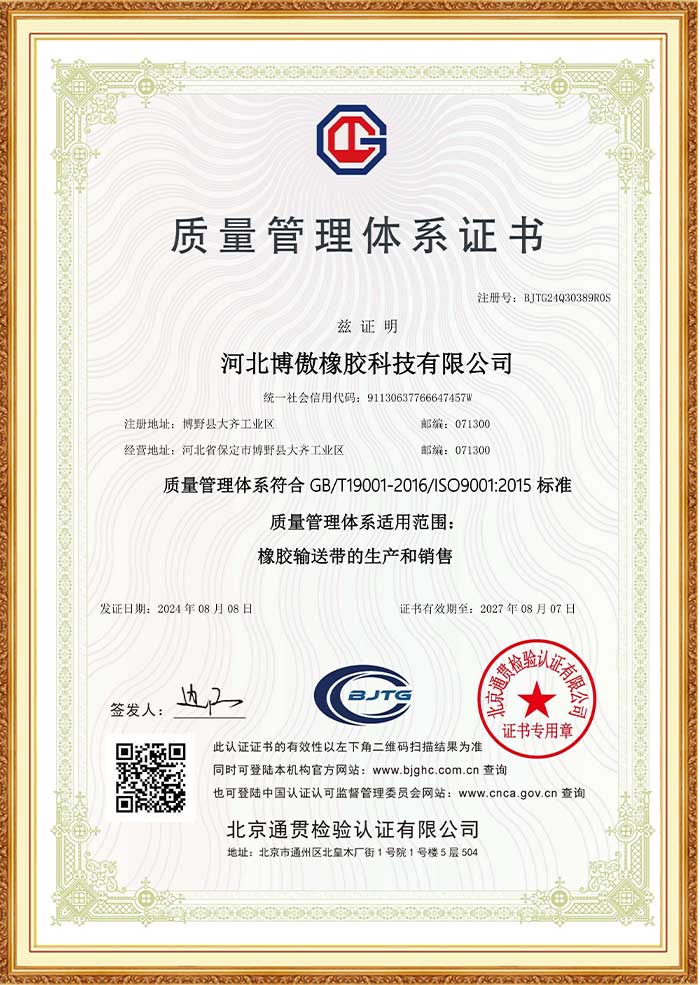
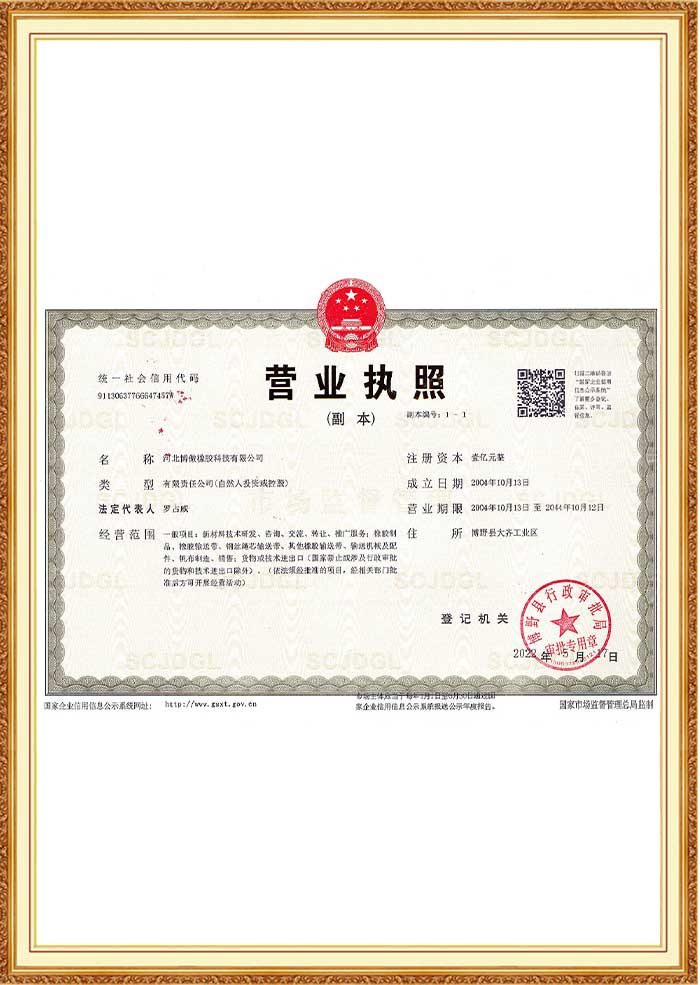
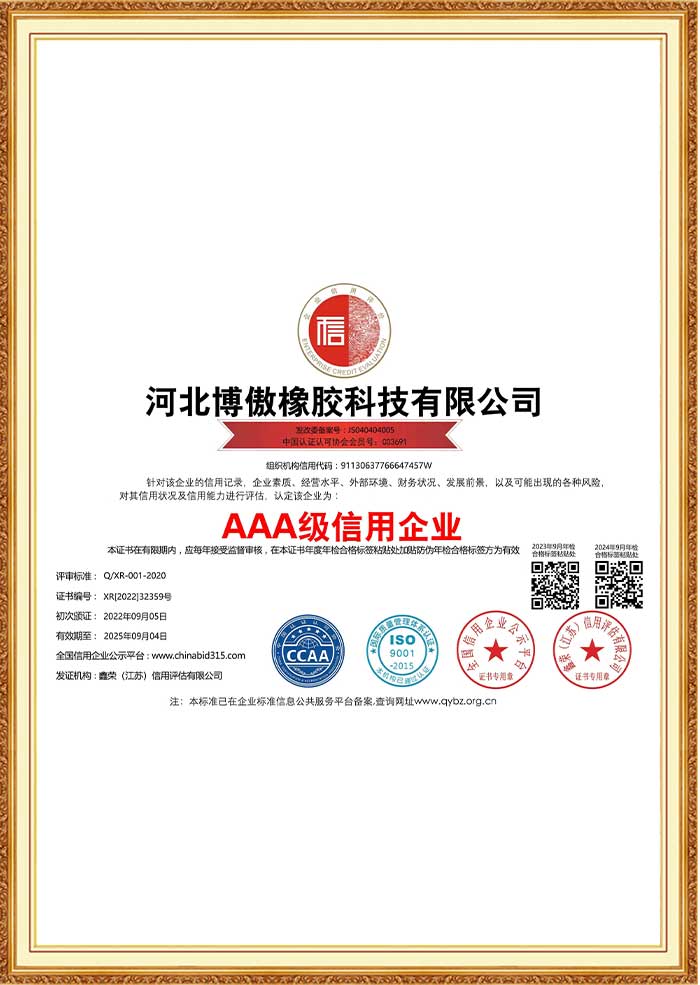
We support heavy-duty industries worldwide, including metallurgy, cement, mining, and power generation.
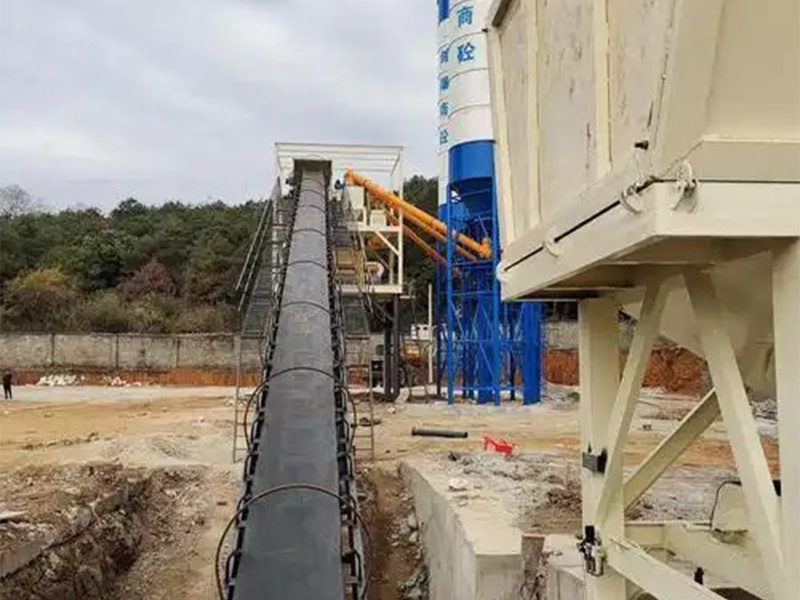
Heavy-duty compound mixing and transport lines running continuously.
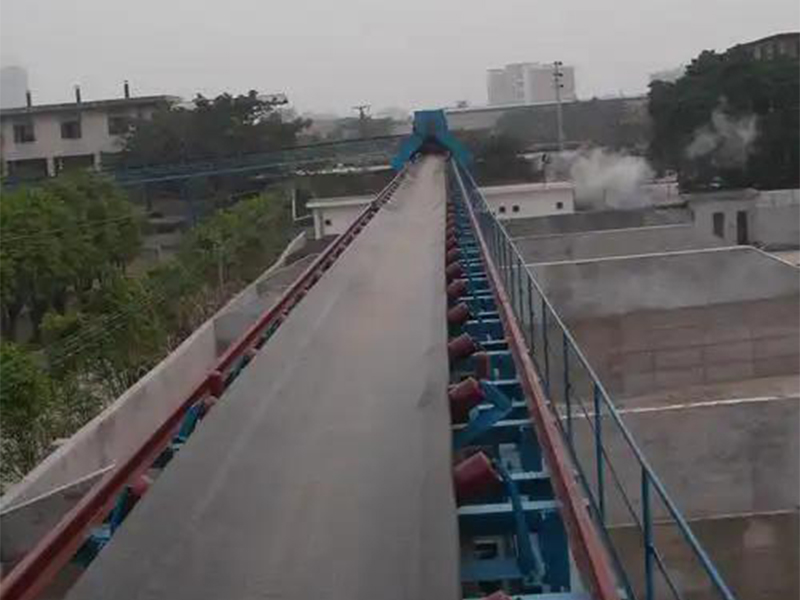
High-abrasion clinker and cement material handling solutions.
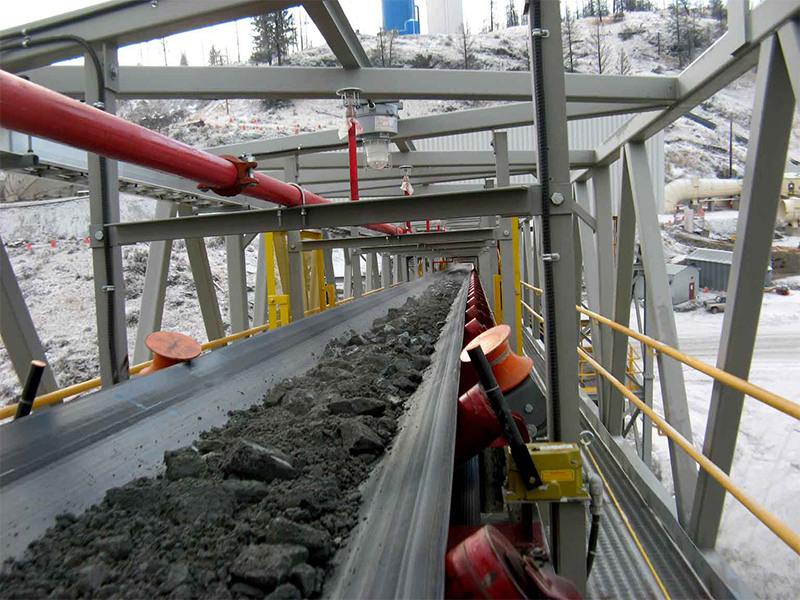
Flame-retardant underground coal transport belts.
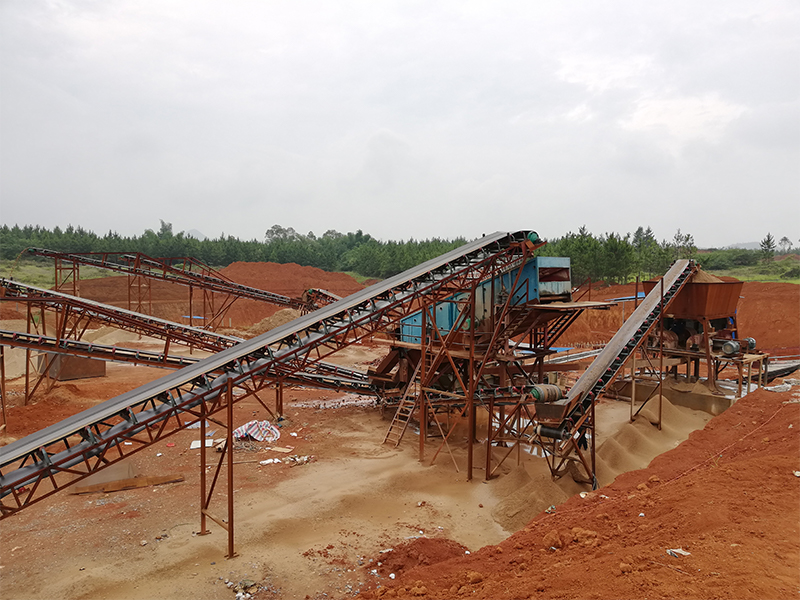
High-temperature metallurgical processing plant conveyor belts.
Our partnerships also include projects with Zijin Mining Group, Jidong Cement Group, Jinmei Group Coal Conveying Line, and Taihang Steel. We deliver high-integrity belting systems to major industrial operators worldwide.
A look inside our integrated facility, showing our mixing and testing systems.
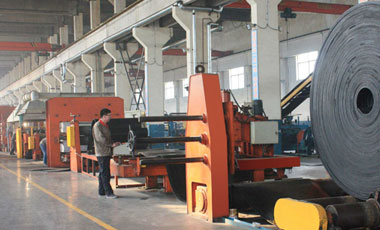
Fabric Conveyor Belt Production Line
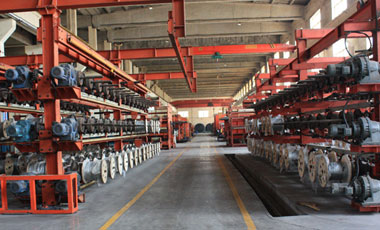
Steel Cord Conveyor Belt Production
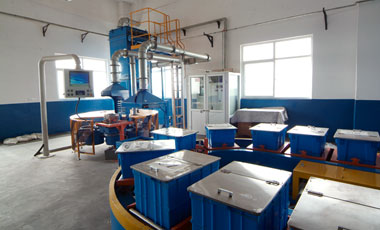
Mixing Center Proportioning Room
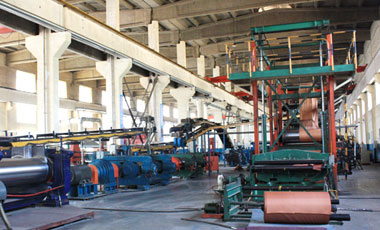
Calendering & Shaping Machine
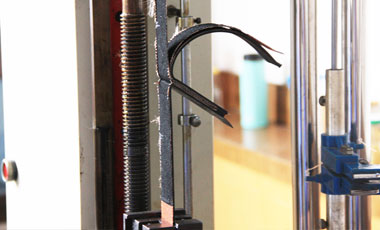
Peeling Adhesion Tester
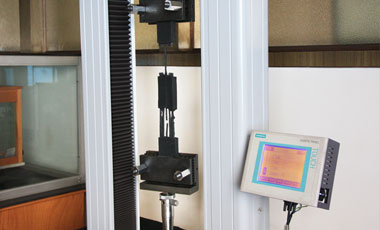
Steel Cord Pull-Out Tester
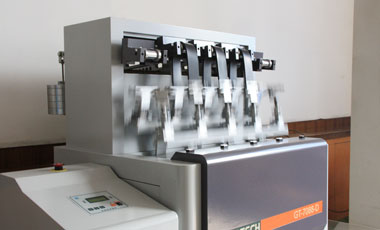
Dynamic Fatigue Testing System
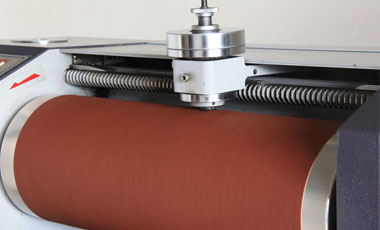
High-Precision Abrasion Tester
Common inquiries regarding synthetic belting specifications, customization options, and global shipping policies.
 Boao Rubber