Select high-performance lightweight and structural conveyor elements optimized for UK manufacturing plants
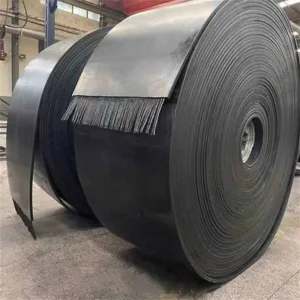
The United Kingdom's manufacturing and distribution sectors are undergoing a rapid technological evolution. Driven by automated logistics in the "Golden Triangle" of the Midlands, food production clusters in Lincolnshire, and high-value aerospace/pharmaceutical assembly lines, the requirement for precise, reliable conveying systems has never been higher.
Lightweight conveyor belts constructed from Polyvinyl Chloride (PVC) and Thermoplastic Polyurethane (PU) play a critical role in these modern systems. Following regulatory changes post-Brexit, UK B2B procurement managers face stricter requirements. Alignment with UKCA (UK Conformity Assessed) standards, REACH compliance, and specific hygienic protocols (such as FDA and EC 1935/2004) are now mandatory benchmarks.
To reduce downtime, UK facilities require supplier strategies featuring long-wearing elastomer coatings, noise-reduction fabric plies, and modular profiles. Sourcing directly from advanced manufacturing hubs like Hebei Boao Rubber provides significant cost advantages while maintaining rigorous European quality standards.
Years of Vulcanization and Belt R&D Experience
Acres of Advanced Manufacturing Infrastructure
Traceable Chemical & Physical Testing Process
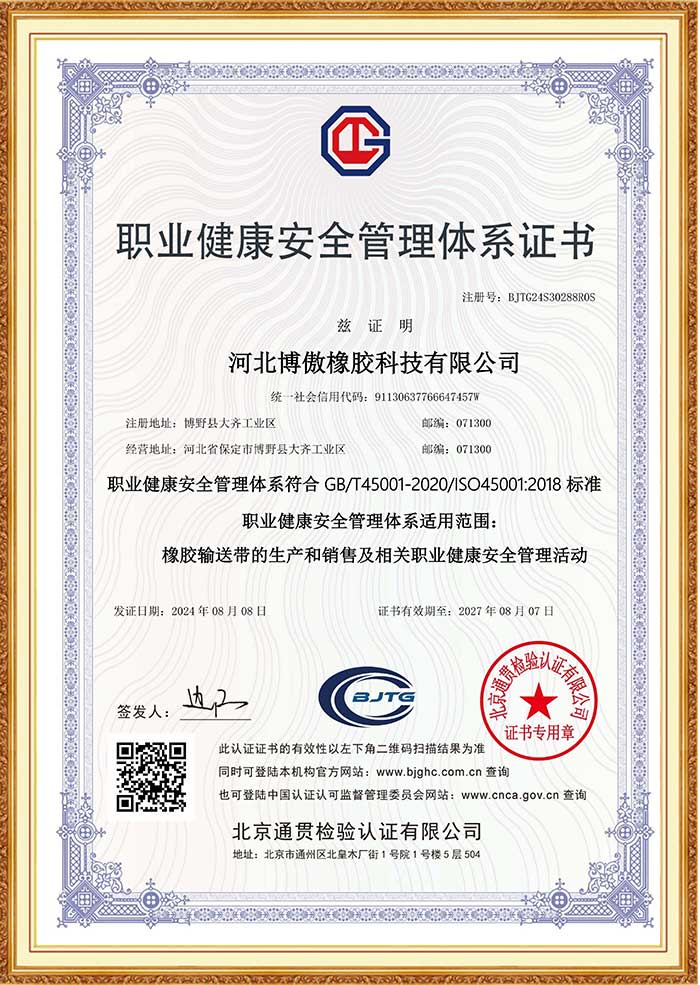
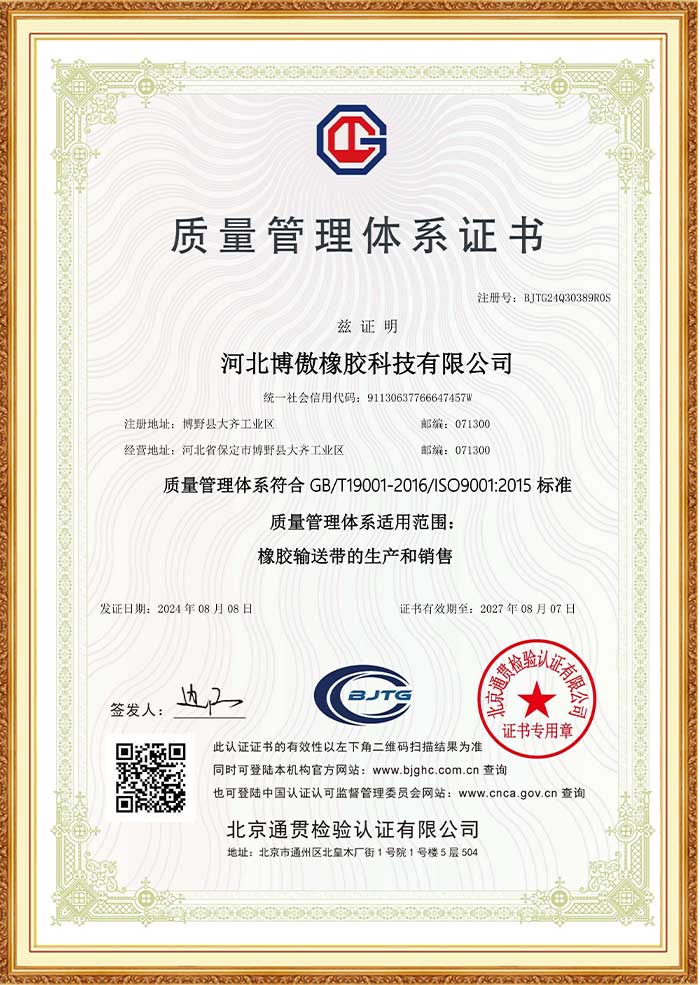
Certified Management & Environment Systems
Understanding the chemical and structural configurations that define field performance
PVC conveyor belts are the workhorse of general material handling. Formulated with plasticizers to regulate hardness, our PVC belts provide excellent resistance to stretching, mechanical impacts, and chemical corrosion.
PU belts are engineered for applications demanding high hygiene standards and mechanical resilience. Our thermoplastic polyurethane (TPU) leaves no chemical residue and offers exceptional cut, tear, and abrasion resistance.
| Performance Parameter | PVC (Polyvinyl Chloride) Belts | PU (Polyurethane) Belts | Industry Standard Compliance |
|---|---|---|---|
| Fat & Oil Resistance | Moderate (Fails under prolonged exposure to animal fats) | Excellent (Protects against both vegetable and animal lipids) | FDA, EC 1935/2004 |
| Minimum Pulley Diameter | Larger (Requires larger radius due to compound density) | Very Small (Ideal for knife-edge transfers down to 4mm) | ISO 21181 |
| Tear & Abrasion Rating | Standard industrial durability | Outstanding wear resistance under mechanical stress | DIN 53516 / ISO 4649 |
| Acoustic Rating (Quiet Run) | Standard backing fabric (Approx. 65 dB) | RFL impregnated low-noise fabrics (Approx. < 58 dB) | ISO 3744 |
Aligning manufacturing capabilities with modern corporate environmental and operational goals
Modern distribution hubs require low-friction backing fabrics. By reducing the drag coefficient between the belt backing and the slider bed, operations can reduce motor electricity draw by up to 15%.
Hygienic processing lines require non-fraying, sealed-edge designs. We manufacture PU belts with completely enclosed edges to prevent bacteria growth and ingress of cleaning fluids.
In airports and automated sorting centers, flame retardant construction is mandatory to prevent fire spread. Our belts comply with standard test procedures to ensure self-extinguishing properties.
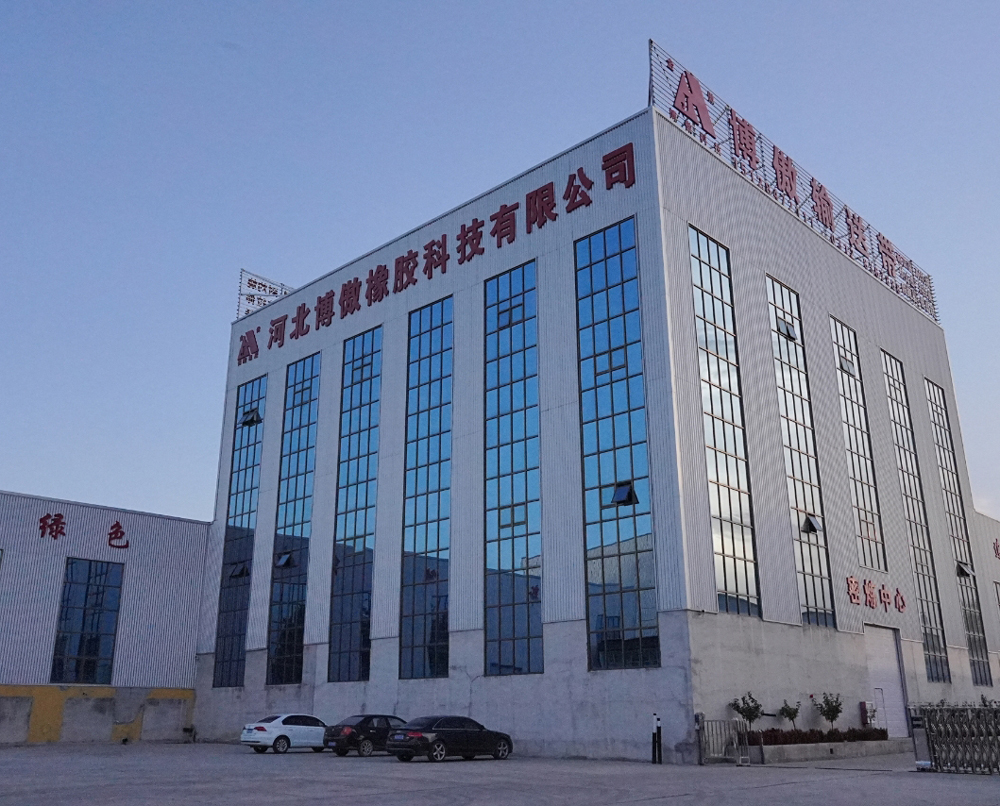
Based in the Rubber Industrial Park of Boye County, Baoding, Hebei Province, Hebei Boao Rubber Technology Co., Ltd. (founded in 2004, operating our signature "Jinao" brand) has developed over 22 years into a primary manufacturer of high-performance conveyor systems.
Our facility features continuous mixing rooms, multi-roll calenders, and dedicated vulcanizing lines. We operate on-site chemical analysis and physical testing labs to ensure every batch of raw elastomer and finished belting meets international specifications before shipment.
We maintain quality and environmental standards supported by international certifications including API 6D, API 607, CE, ISO9001, ISO14001, and ISO18001.
How our quality control laboratory ensures physical integrity and design compliance
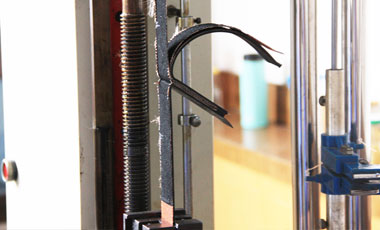
Tests vulcanized bond strength between elastomer cover and carcass plies.
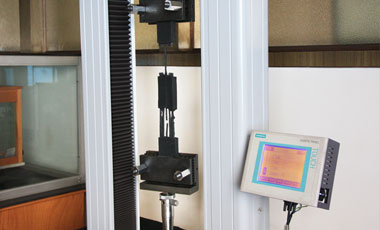
Measures structural grip force in steel wire reinforced belt types.
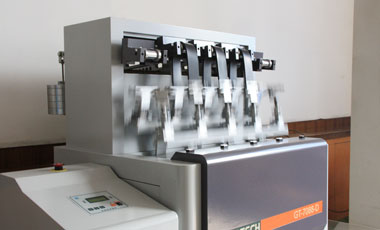
Simulates continuous pulley cycles to identify potential delamination.
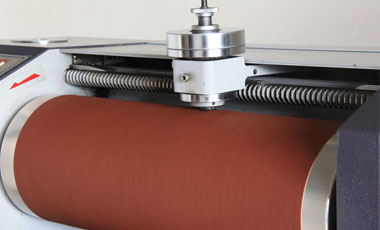
Measures material volume loss to verify durability under scraping conditions.
Industrial conveyor belt sourcing extends beyond material delivery; it requires end-to-end technical support. Boao Rubber provides engineering support to help UK maintenance teams optimize belt life and performance.
Periodic surface profiling and tracking alignment checks help prevent edge wear and reduce premature mechanical failures.
We provide instructions and materials for finger splicing, mechanical fasteners, and step-splice jointing to maintain high tensile strength at joint connections.
Custom agreements are available to hold safety stock of specified widths and lengths, supporting rapid dispatch to UK ports to minimize unplanned downtime.
Provide your application details to receive cover recommendations, tension calculations, and direct-factory pricing.
A proven track record of handling high-capacity materials for global companies
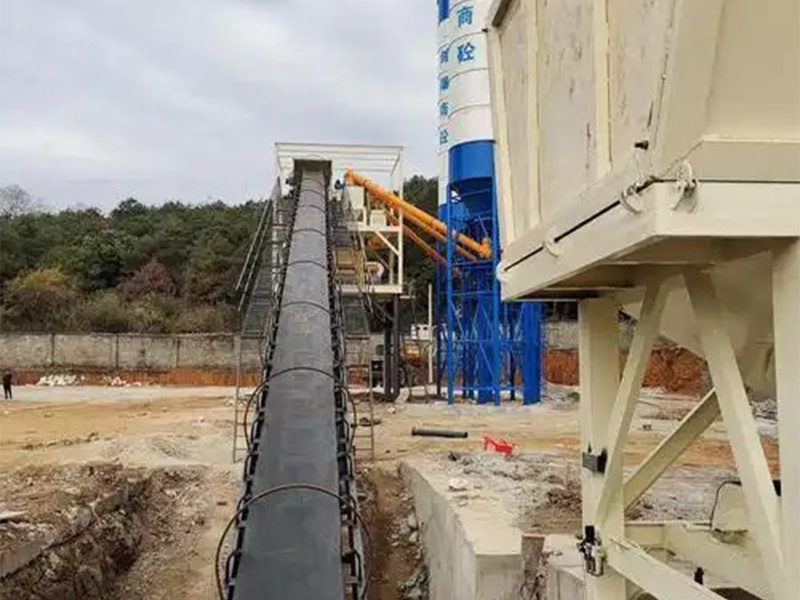
Heavy-duty mixing plant configurations built to handle abrasive aggregate feed under continuous load.

High abrasion-resistant belts conveying raw clinker materials through hot, dusty process lines.

Flame-retardant belting designed to meet safety requirements for underground transport systems.
Technical answers to key product design and shipping questions
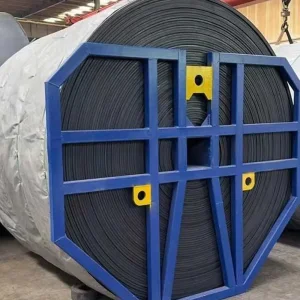
Our standard manufacturing lead time is 15-20 days from specification sign-off. Shipping to major UK ports (such as Felixstowe, Southampton, or London Gateway) takes approximately 30-35 days. All lightweight PU/PVC belts are rolled on robust plastic cores, wrapped in moisture-proof UV-resistant protective film, and packed into heavy-duty wooden crates to prevent transit damage.
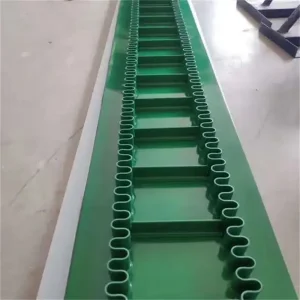
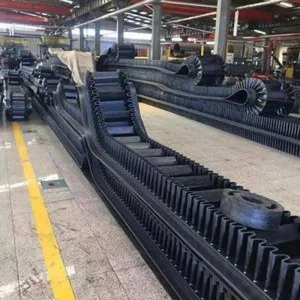
Yes. Our fabrications include high-frequency welded guide profiles (V-guides like K6, K8, K13), lateral cleats (T-profiles, L-profiles), and corrugated sidewalls. These profiles prevent lateral drift and support vertical or high-incline material transport in compact spaces.
We source raw polymers and plasticizers that comply with current REACH restriction lists. Our production lines avoid regulated SVHC (Substances of Very High Concern) and phthalates in our food-grade PU belts. Physical compliance files and testing certifications are provided with our shipping documentation.
For our single-ply light duty PU belts, the minimum pulley diameter can be as low as 8mm for nosebar configurations. For double-ply structures, the minimum recommended pulley diameter ranges between 20mm and 40mm depending on the fabric weave, minimizing friction and mechanical stress.
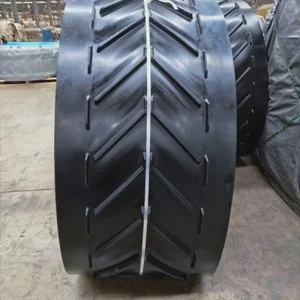
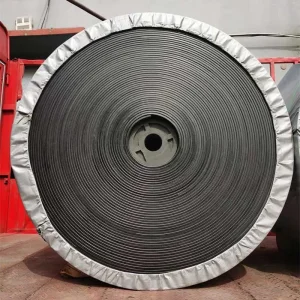
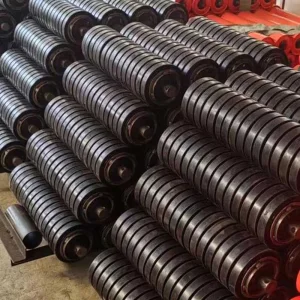
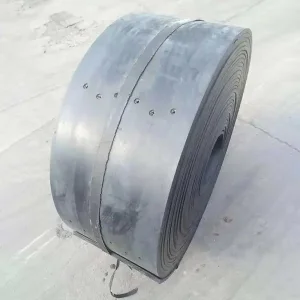
Comprehensive product catalog featuring lightweight covers, structural reinforcing plies, and idlers
 Boao Rubber