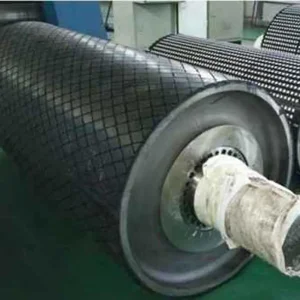
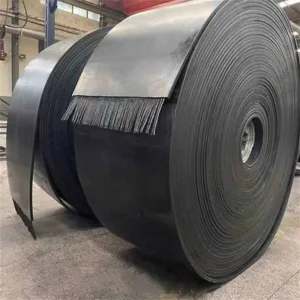
Engineered to deliver high operational reliability, low power consumption, and optimal tracking precision.
Malaysia is experiencing a significant industrial transformation. Key sectors such as electrical and electronics (E&E) in Penang, food processing and packaging in Selangor, and palm oil refining in Johor are upgrading their assembly and logistics workflows. The shift toward automation and smart manufacturing has intensified the demand for lightweight conveyor belts that deliver high performance with minimal maintenance. Unlike heavy-duty rubber belts used in mining, PVC and Polyurethane (PU) conveyor belts are clean, energy-efficient, and lightweight, making them essential for automated packaging, warehousing, and processing lines.
Within this dynamic market, sourcing from a reliable factory that understands local logistics, climate factors (such as high humidity and temperatures), and specific industry compliance (like Halal and FDA standards for food contact) is critical. Hebei Boao Rubber Technology Co., Ltd. (brand "Jinao") is positioned to meet these demands by providing tailored, long-lasting products designed for modern industrial environments.
Understanding the specific chemical and physical characteristics of your conveyor belt material is crucial for optimal operational efficiency and durability.
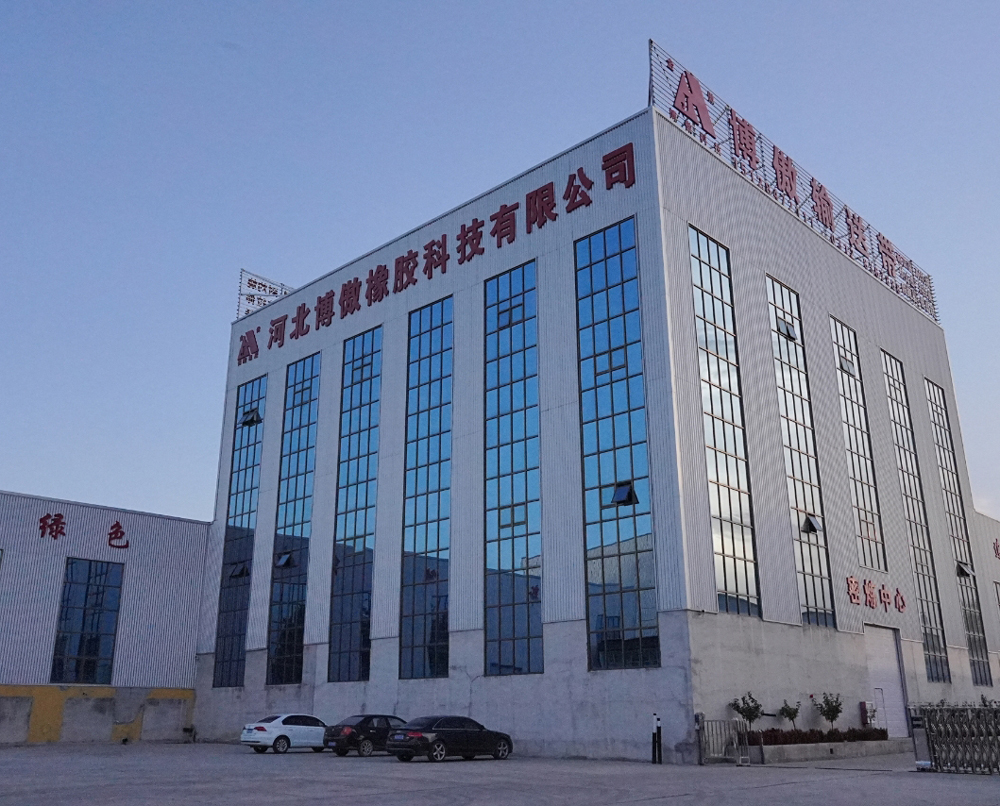
How Hebei Boao Rubber Technology leverages smart production lines to deliver cost-effective and reliable products.
Our facility features independent chemical analysis rooms and physics laboratories. We monitor every step of production, from raw material inspection to final product delivery, ensuring that substandard materials never enter our production line.
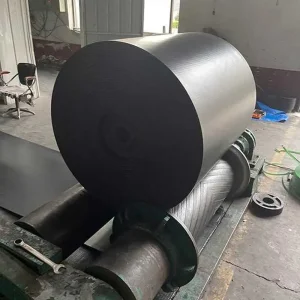
Our automated mixing facilities, precision calendering systems, and heavy-duty vulcanization lines ensure uniform belt thickness, exceptional splice strength, and extended wear life.
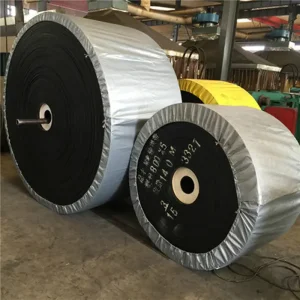
We offer seamless export shipping to Port Klang, Penang Port, and Johor Port. Our custom packaging options protect your belts from humidity during transit, ensuring they arrive ready for installation.
Explore how our customized conveyor belts perform under demanding industrial conditions.
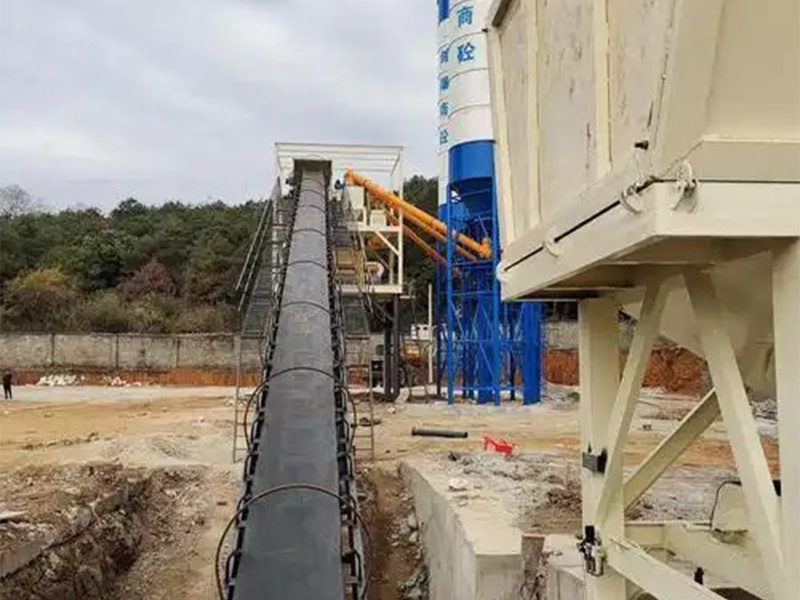
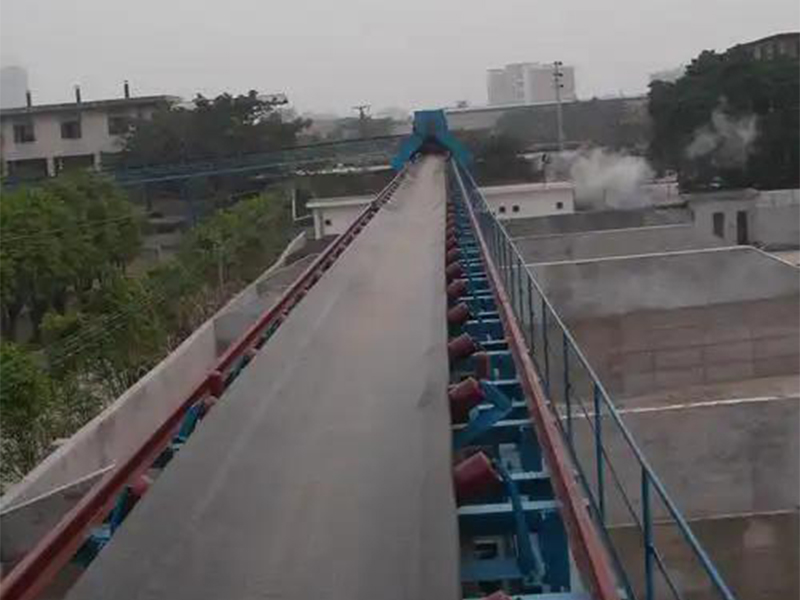
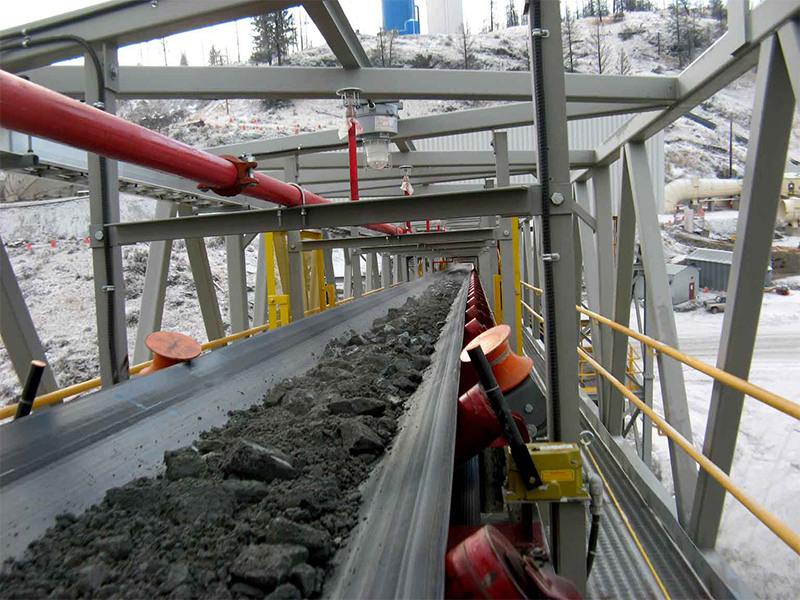
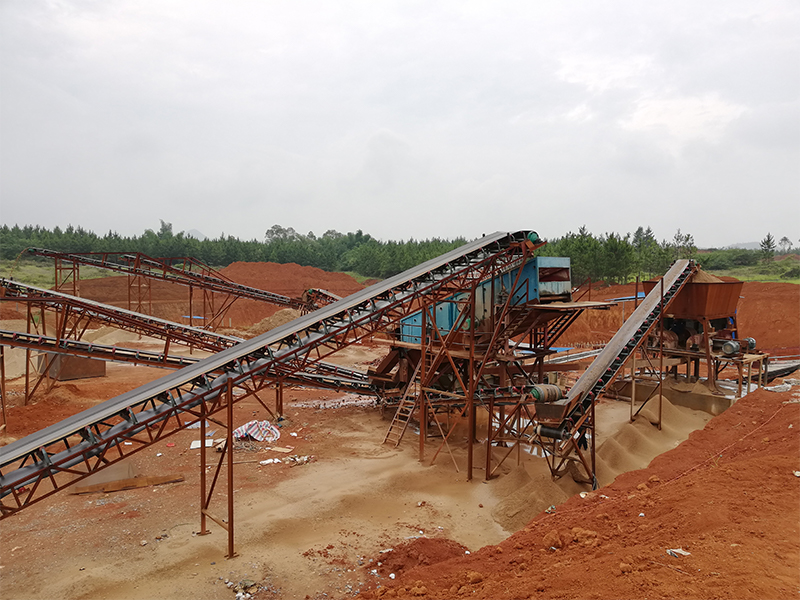
From initial design and material selection to splicing and preventative maintenance, we support your operations.
We analyze key operating parameters, including drive pulley diameter, load requirements, speed, temperature, and chemical exposure, to recommend the optimal belt construction.
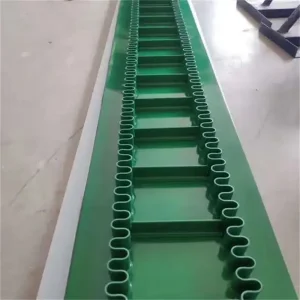
We offer custom options to meet your system specifications, including hot-vulcanized profiles (cleats, sidewalls, and tracking guides) and precise mechanical splicing options.
We provide splicing instructions, alignment advice, and repair materials to help extend belt life and minimize unplanned production downtime.
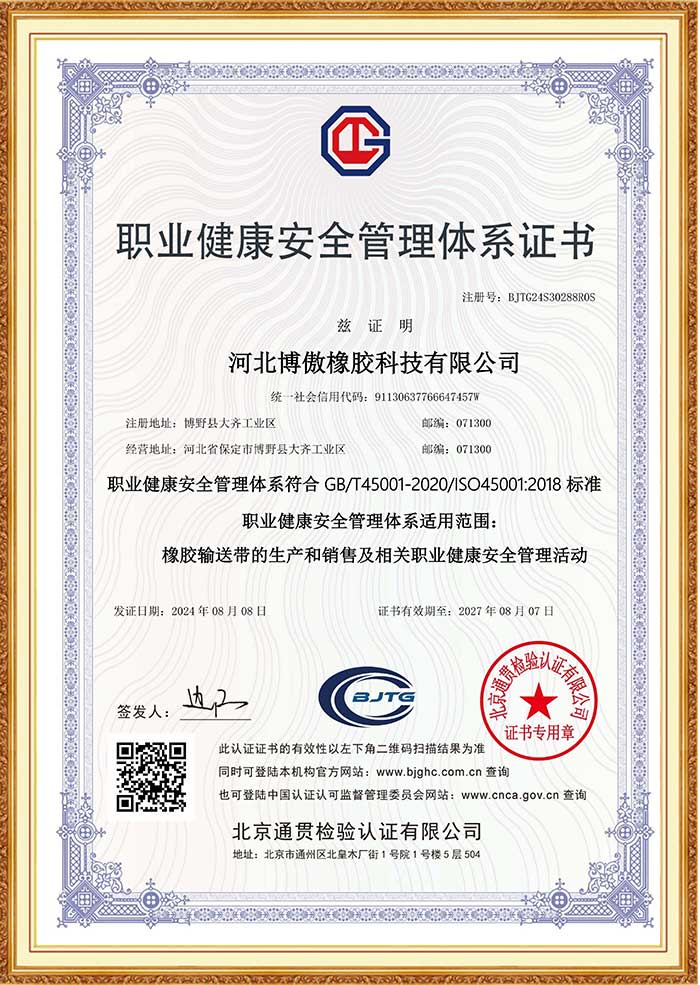
Our products undergo rigorous testing and meet international standards, ensuring reliable performance in demanding environments.


Select from our range of lightweight, heavy-duty, heat-resistant, and chemically-inert conveyor belts.
Find answers to common questions about selection, installation, and maintenance.
A: PVC belts are cost-effective, offer high chemical resistance, and are suitable for general conveying and packaging. PU (Polyurethane) belts are ideal for the food and pharmaceutical industries, as they are grease-resistant, comply with FDA standards, and provide high abrasion resistance without leaching toxic plasticizers.
A: High humidity and elevated temperatures can degrade inferior plastics. Our PVC and PU belts are formulated with specialized raw materials to prevent hydrolysis and maintain lateral stability, helping to prevent tracking issues in tropical climates.
A: We offer custom options to meet your system specifications, including guide profiles (V-guides) to prevent tracking issues, cleats (T-cleats or L-cleats) for inclined conveying, and corrugated sidewalls to prevent material spillage.
A: Yes, our PU conveyor belts comply with FDA, EU food safety regulations, and relevant hygiene requirements. They are engineered to prevent microbial growth and support easy sanitation on food processing lines.
A: We support several splicing options, including finger-jointing, finger-over-finger jointing, step splicing, and mechanical fasteners, depending on the minimum pulley diameter and application requirements.
A: Standard production takes approximately 10 to 15 days from design confirmation. Transits to major Malaysian ports (Port Klang, Penang, Johor) generally take 12 to 18 days, depending on shipping schedules.
Contact our team for tailored design advice, material compatibility specifications, and factory-direct pricing for your project in Malaysia.
Send Inquiry Now Boao Rubber