Premium raw material configurations certified to withstand severe environment demands across maritime hubs and heavy factories.
The industrial landscape in Japan demands uncompromising quality. Heavy sectors such as steel production in Kawasaki, coal shipping in Hokkaido, and complex port terminal systems in Osaka operate under strict quality frameworks (JIS B 8805). Material handling systems are not merely background equipment; they represent the structural backbone of high-capacity logistics networks. Consequently, conveyor system faults result in millions of Yen in lost productivity. This environment requires dynamic engineering, continuous technology integration, and superior component durability.
With Japan's aggressive decarbonization goals, energy consumption in material handling systems has come under close scrutiny. Industry leaders are focusing on the coefficient of rolling resistance (CRR) of conveyor belts and internal frictional drag within rollers. High-efficiency idler configurations reduce electric motor strain, leading to measurable energy savings. Japanese procurement agents are increasingly sourcing conveyor accessories from verified factories that can prove low-runout tolerances (under 0.5mm) and low-noise performance.
Japan’s maritime infrastructure handles millions of tons of aggregates, coal, and mineral ores annually. These coastal environments present extreme challenges: constant exposure to high humidity, corrosive sea-salt aerosols, and variable operational temperatures. Conveyor accessories deployed in regions like Yokohama or Kobe require high-quality polyurethane seals, corrosion-resistant steel formulations, and vulcanized rubber coatings that resist ozone degradation and chemical wear. Selecting the correct components directly impacts the lifetime of the material handling network.
Decrease operations cost by adopting low viscoelasticity rubber formulations that reduce drive power by up to 15%.
All conveyor accessories are manufactured under stringent dimensional controls to match Japan's exact engineering standards.
Proprietary vulcanization methods deliver superior cover-to-carcass bond strength, resisting delamination in humid coastal areas.
Years of Industrial Manufacture
Acres of Production Area
JIS Compliant Quality Checks
Japanese Port System Projects
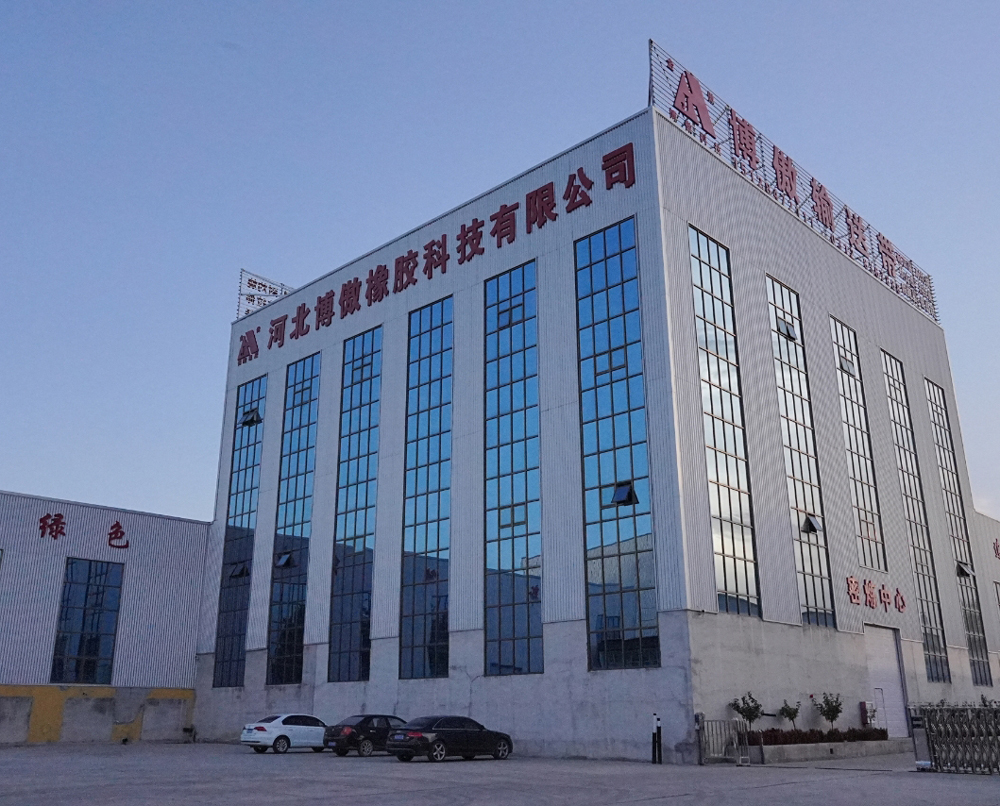
Established in 2004, Hebei Boao Rubber Technology Co., Ltd. has developed into a premium developer, designer, and manufacturer of conveyor belts and supporting conveyor machinery accessories under the flagship "Jinao" brand. Located in the Boye County Industrial Park in Baoding, Hebei Province, our facilities span more than 30 acres of modern production and testing space.
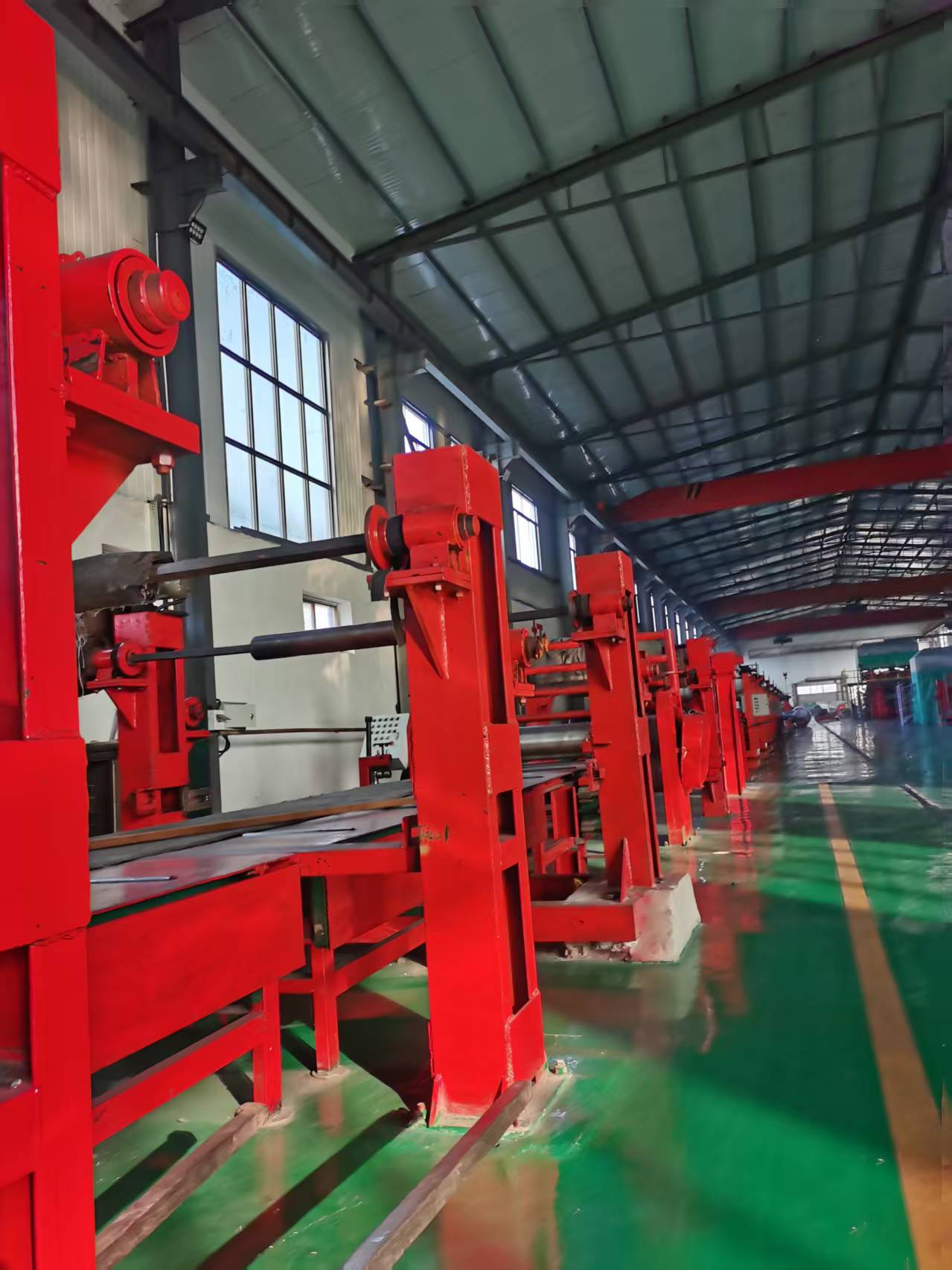
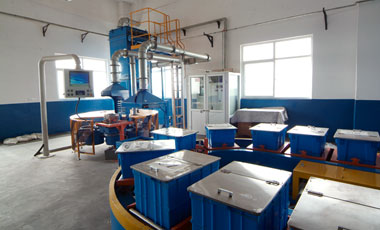
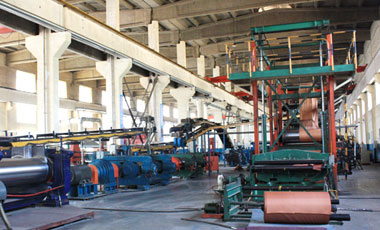
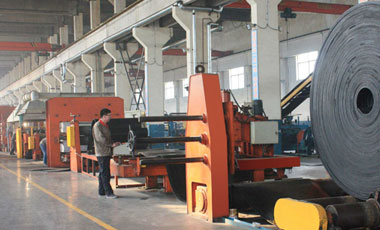
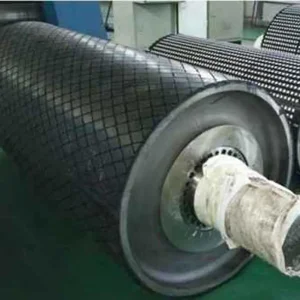
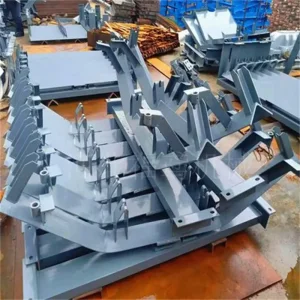
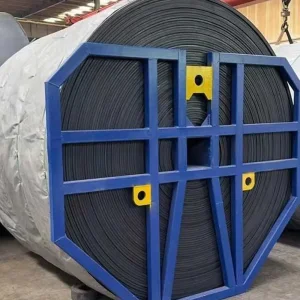
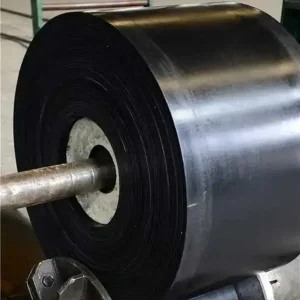
We operate multiple advanced manufacturing lines for rolling, forming, vulcanizing, and testing rubber components. From handling raw material inputs to verifying finished physical properties, every processing phase is executed under strict quality systems. Our production capability covers ordinary fabric conveyor belts (NN, EP, PP), heat-resistant systems, oil/alkali-resistant options, steel wire rope core designs, patterned profiling, and essential hardware like high-tolerance rollers, structural brackets, and ceramic pulley lagging.
Our dedicated chemical and physical testing facilities ensure all shipments meet design parameters before leaving the facility.
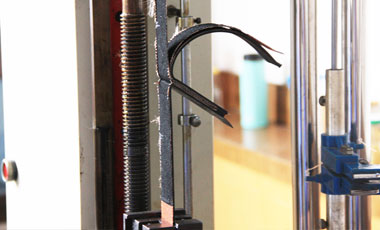
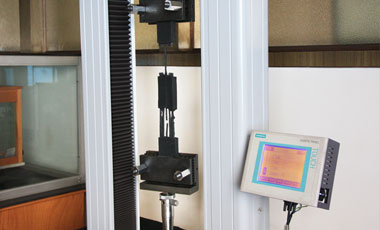
Ensuring standard adhesion values between rubber layers and core fabric plies to eliminate delamination risks under cyclic loading.
Measures steel wire bonding force within anti-tear rubber compounds, matching demanding heavy industrial limits.
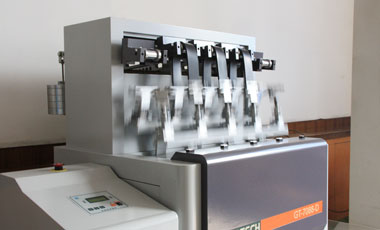
Simulates continuous stress cycles to evaluate structural resilience under simulated plant environments over long lifespans.
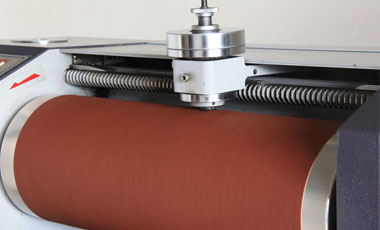
Determines material loss values (mm³), ensuring high resistance against abrasive aggregates, coke, and slag.
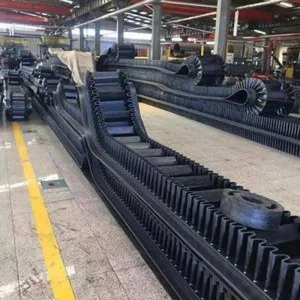
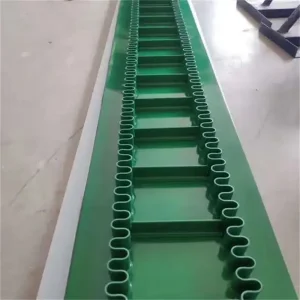
Optimized product designs engineered to navigate space-constrained material routes and steep vertical configurations.
Integrating heavy transport equipment requires strict alignment with localized mechanical parameters. The primary comparison in quality systems often lies between ISO, DIN, and localized Japanese Industrial Standards (JIS B 8805). For fabric-reinforced options, factors like elongation at break and adhesion values determine the belt's overall lifespan.
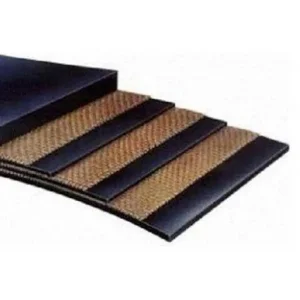
Our manufacturing plant controls variables throughout the manufacturing process. Belts featuring EP (polyester warp, polyamide weft) and NN (nylon-nylon) fabrics undergo thermal stabilization treatments to minimize elastic elongation in service. This reduces the need for constant take-up device adjustments, ensuring stable tracking on long-distance conveyor runs.
For high-capacity underground mining or port loading systems, steel wire rope core designs provide crucial tensile stability. We use high-tensile carbon steel cables that are hot-vulcanized with specialized rubber formulations to ensure strong core-adhesion values. This construction resists puncture damage from sharp materials, ensuring the core remains intact under harsh conditions.
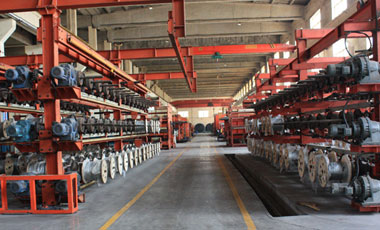
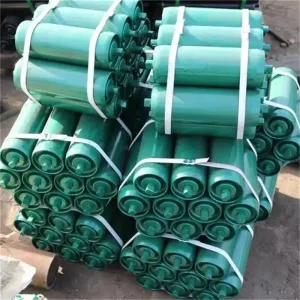
Conveyor idlers are critical to system reliability. Poor concentricity and high runout values lead to belt mistracking and early bearing failure. Our processing facilities maintain runout limits below standard industrial margins using automated double-ended machining equipment. Combined with triple-labyrinth grease-filled sealing systems, our rollers block out abrasive fine dust, moisture, and chemical agents, extending service intervals in heavy-duty plants.
Our manufacturing and quality systems are certified to top international standards, ensuring reliability across critical industrial sites.
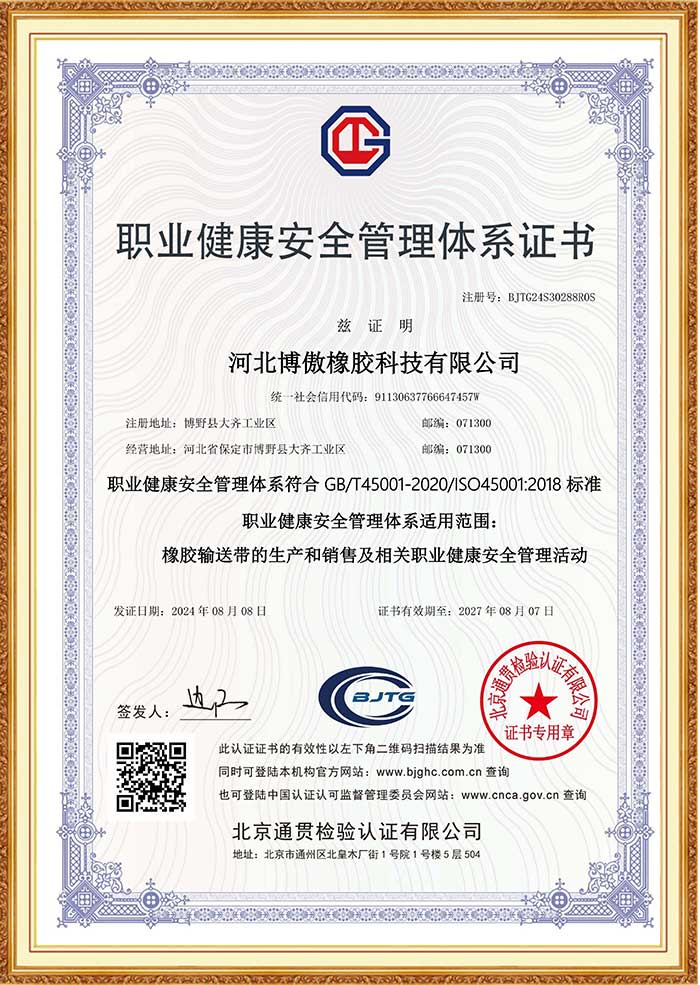
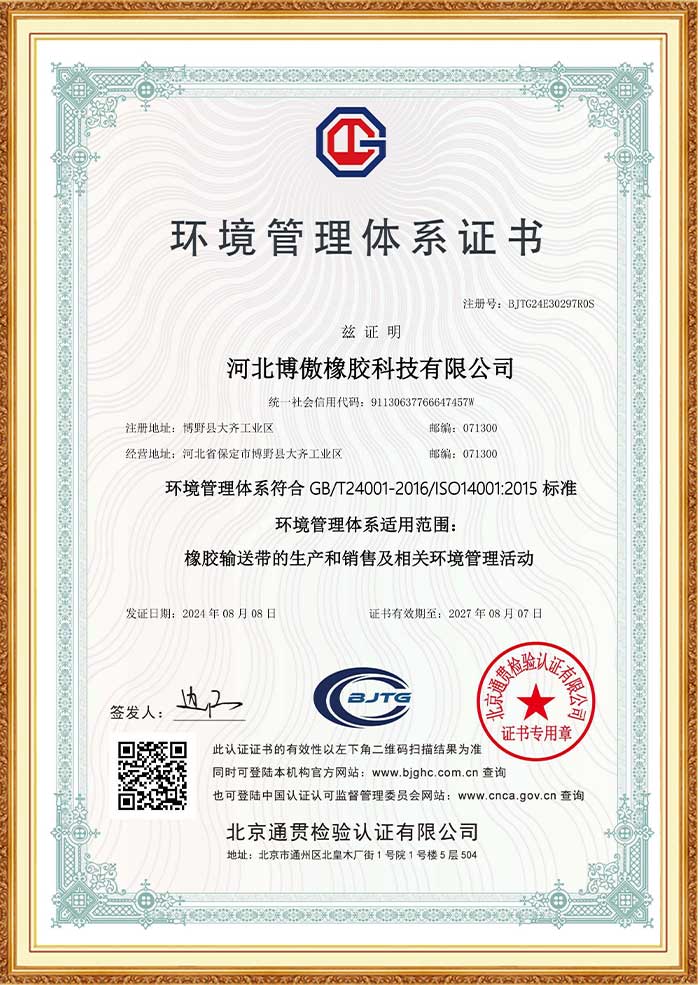
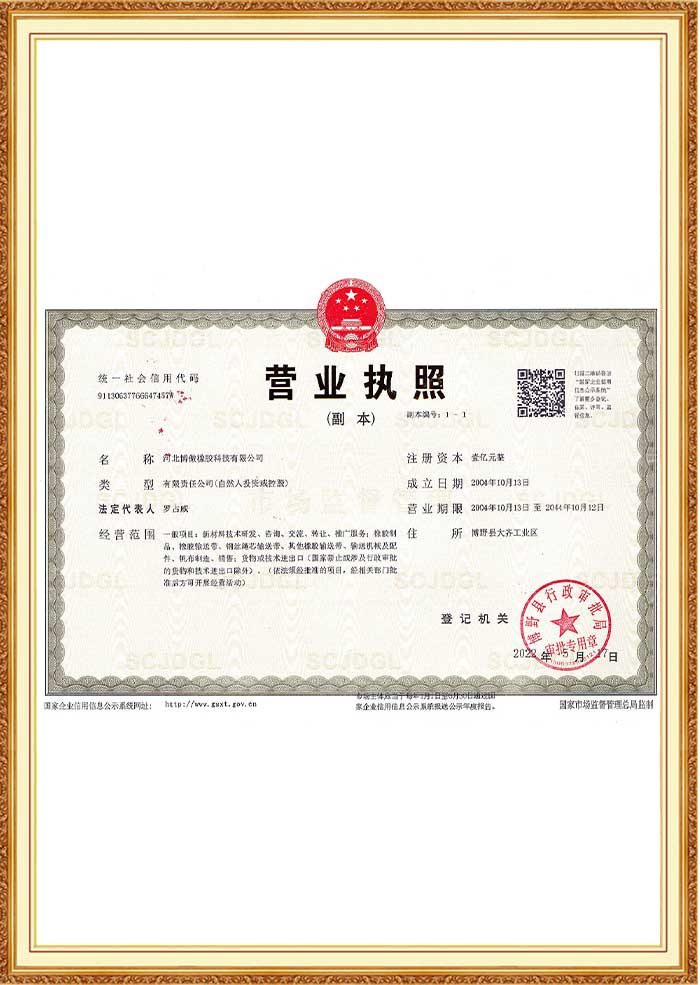
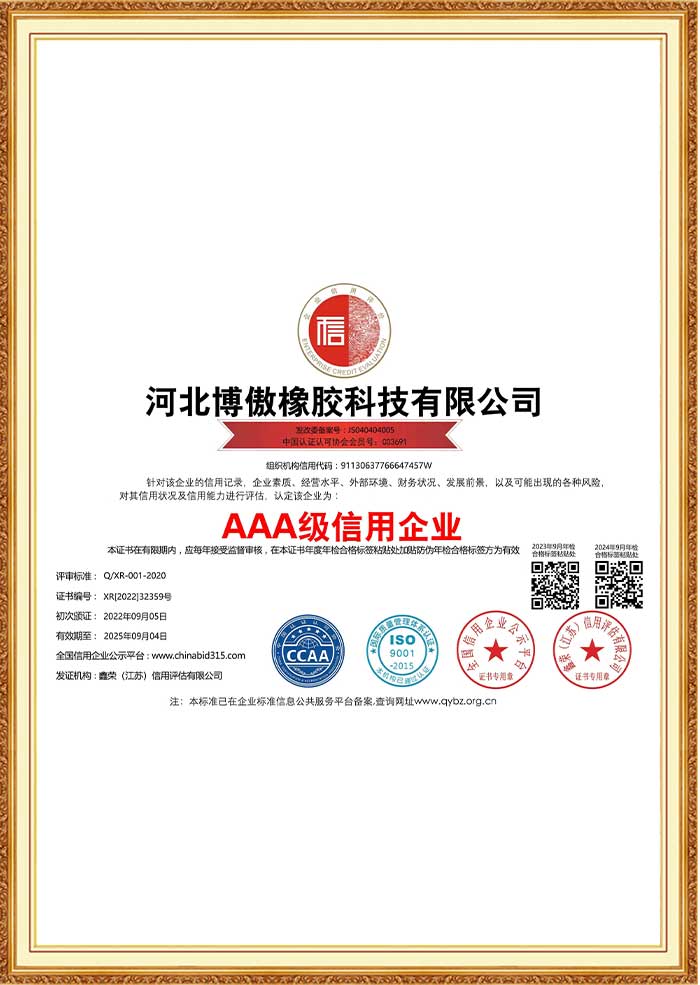
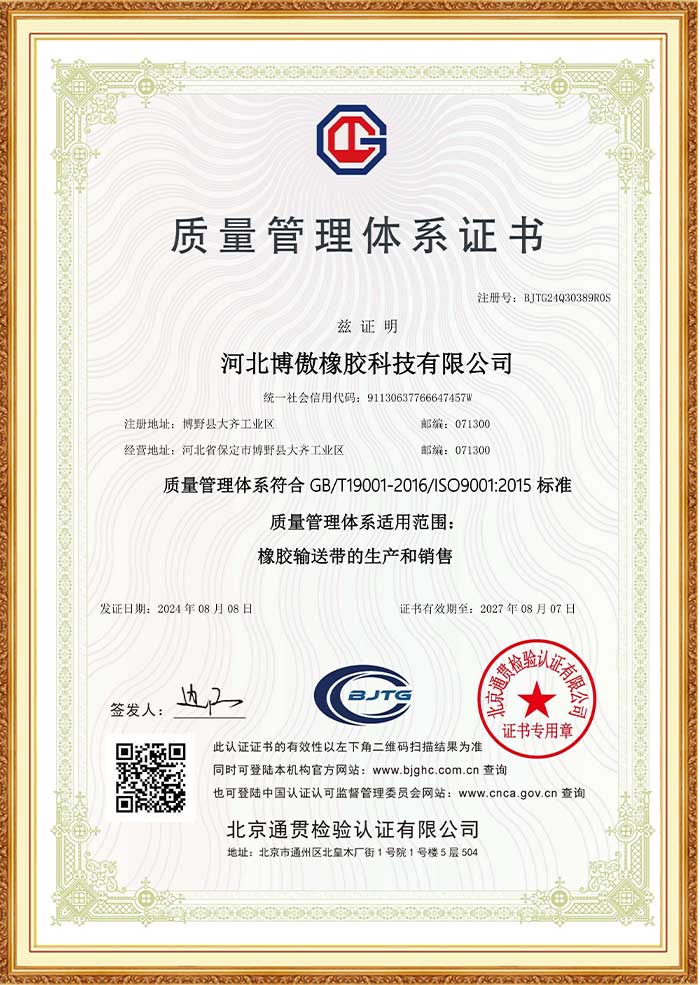
Our heavy-duty accessories and specialized belts support material handling systems for major global mining, steel, and cement groups.
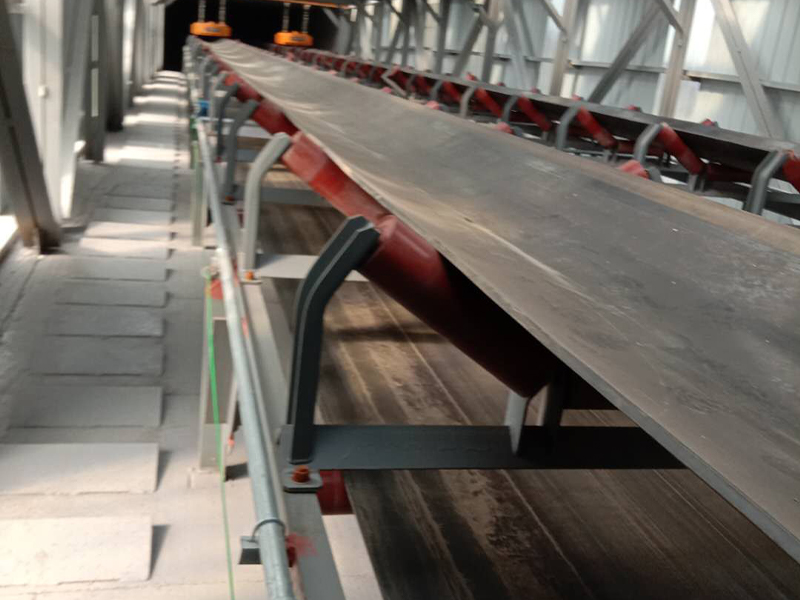
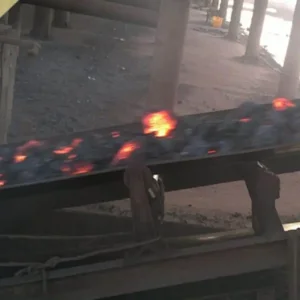
Supplied high-temperature fabric belts and heavy-duty impact rollers for raw coke conveying operations under intense continuous run conditions.
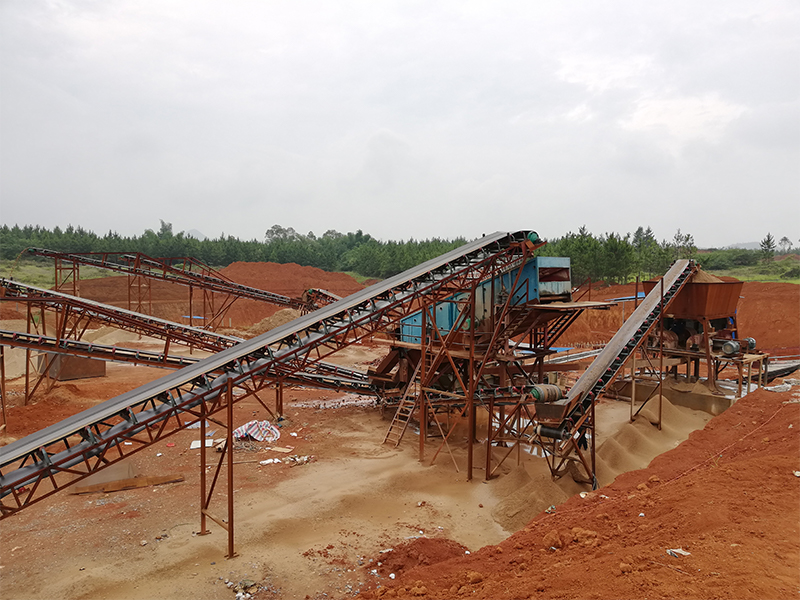
Provided high-durability steel cord and acid-alkali resistant conveyor belts for raw mineral refining lines across complex industrial setups.
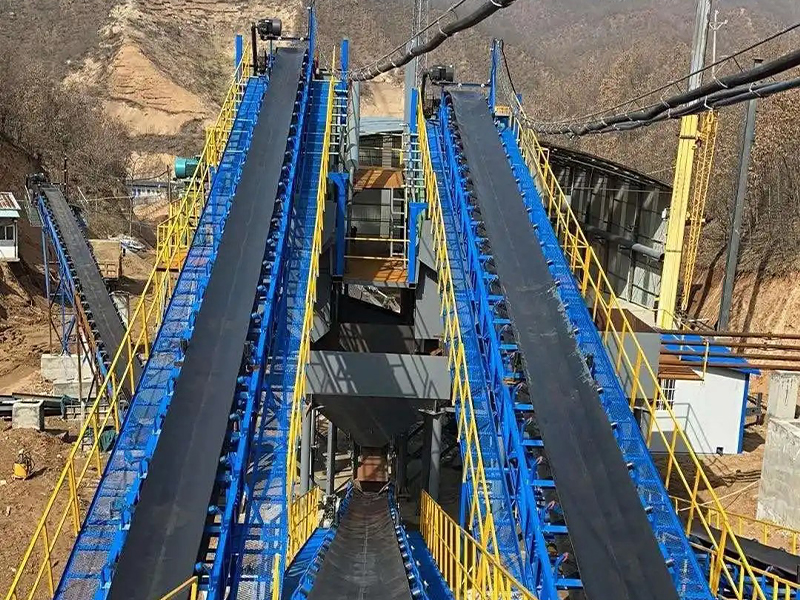
Delivered dynamic-resistant impact rollers and steel wire reinforced belts for high-drop ore chutes in deep underground mines.
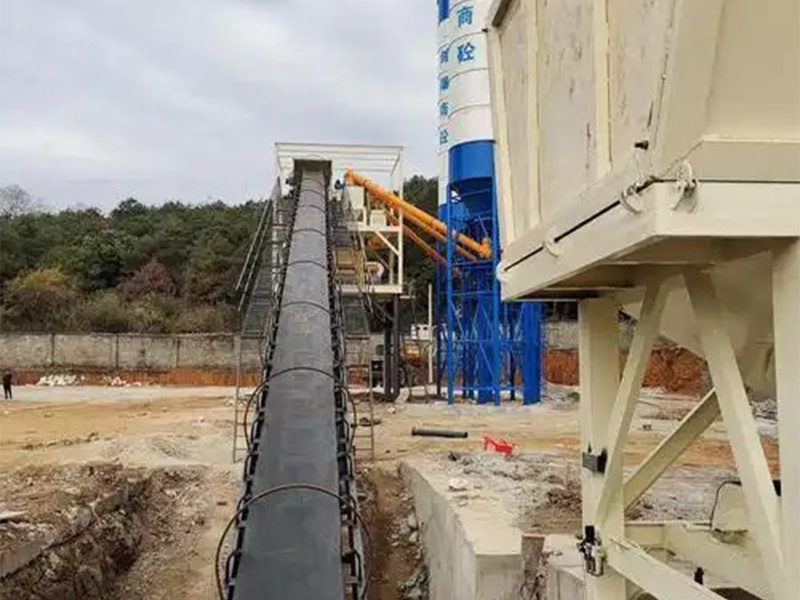
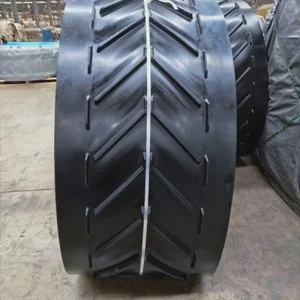
Equipped sand and concrete transport lines with patterned chevron belts and self-aligning idlers to ensure reliable continuous batch supply.
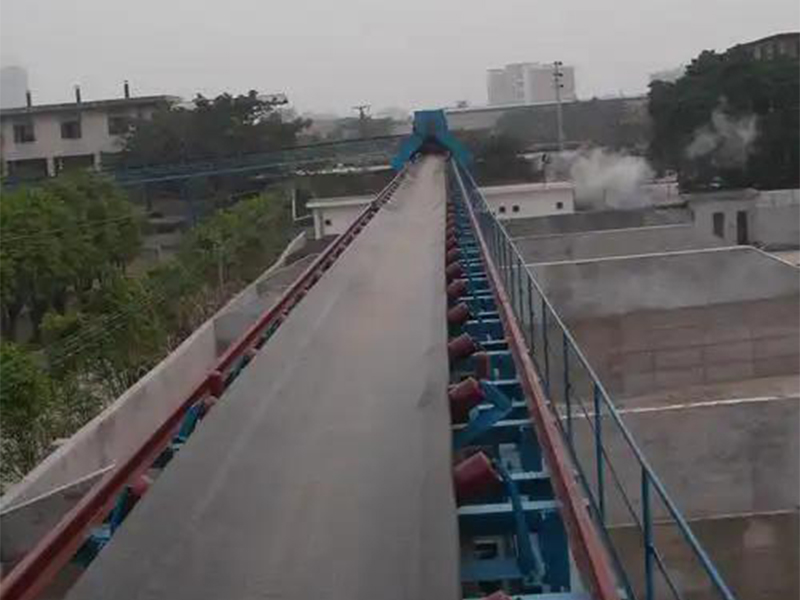
Fitted high-capacity clinker storage installations with abrasion-resistant rubber covers to extend component service life.
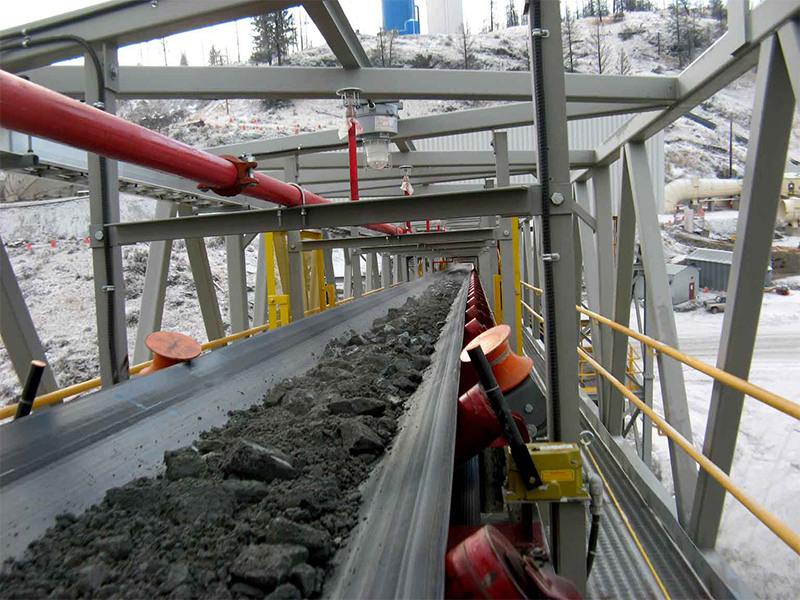
Supplied flame-retardant underground coal belts and high-lubricity dynamic rollers to reduce operational power consumption.
We offer comprehensive support programs designed to maximize conveyor belt and component life. Working closely with plant maintenance teams, we help coordinate planned belt changeouts, critical wear tracking, regular roller audits, and local emergency parts strategies.
Leading the industry toward smarter, cleaner, and more energy-efficient bulk material handling solutions.
Developing low-resistance rubber compounds that reduce power consumption on high-capacity conveyor lines, supporting factory decarbonization initiatives.
Developing smart monitoring tech for real-time tracking of belt thickness and temperature to prevent catastrophic failure in critical sectors.
Improving sealing efficiency in roller bearings to keep noise levels down and block dust in environmental protection zones.
Expert answers addressing testing procedures, standard alignment, logistics, and design requirements.
Explore our main line of industrial conveyor products designed for consistent performance in mining and bulk logistics setups.
 Boao Rubber