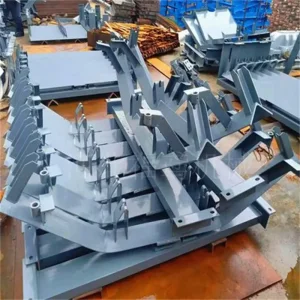
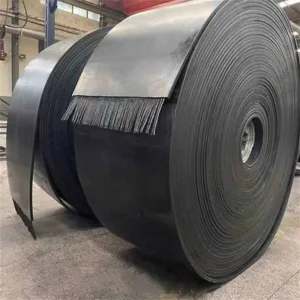
Direct supply from Hebei Boao Rubber Technology. Explore our premium selection of vulcanized rubber belts and high-reliability conveying machinery accessories designed for high-impact industrial operations.
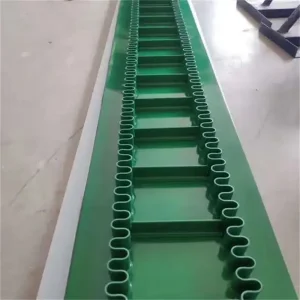
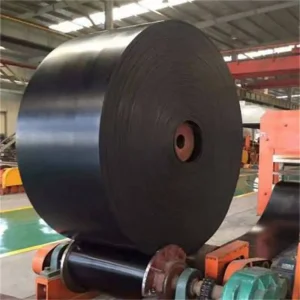
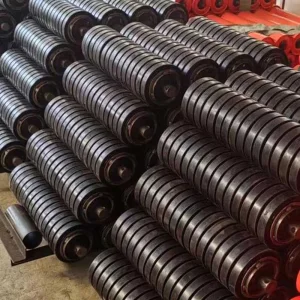
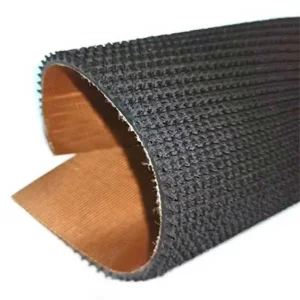
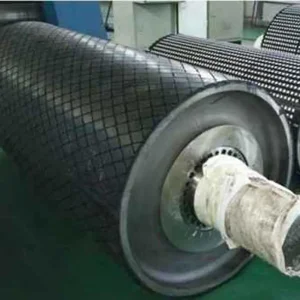
How state-of-the-art rubber cross-linking dynamics translate to structural resilience, reduced downtime, and extended operational lifecycles under extreme mechanical stress.
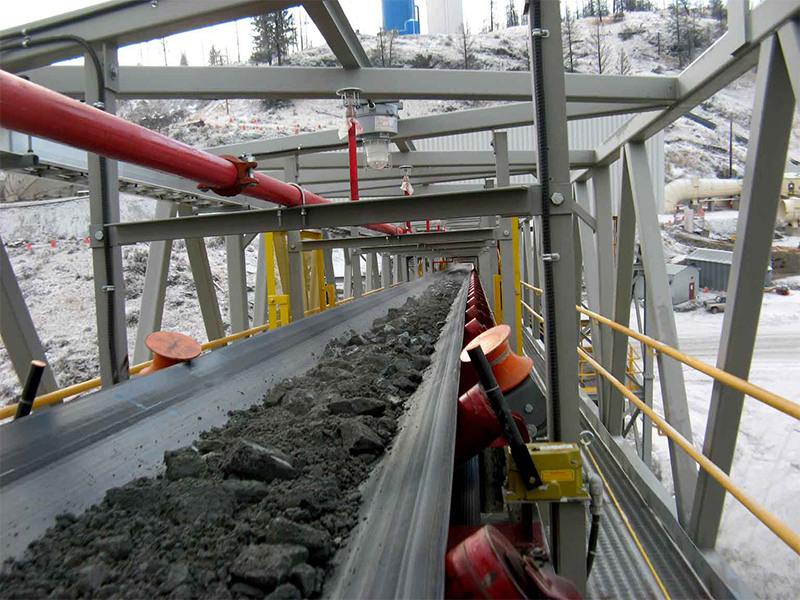
At the mechanical core of continuous bulk material handling, the vulcanized rubber conveyor belt serves as the critical element of motion. Raw elastomer, in its native state, lacks the molecular stability, tensile capacity, and thermal resilience required to withstand millions of flex cycles under massive localized loads. The vulcanization process—originally pioneered but continuously optimized via advanced polymers—uses heat, pressure, and sulfur cross-linking agents to convert thermoplastic rubber into a highly durable thermoset elastomer.
During our compression molding and continuous press vulcanization lines, linear polymer chains of synthetic and natural rubbers are cross-linked with sulfur bridges. This atomic rearrangement prevents structural creeping and ensures the belt maintains dynamic memory. Our chemical formulation engineers selectively integrate carbon black reinforcements, chemical antioxidants, and adhesion promoters to ensure optimal compatibility with heavy-duty reinforcements like Polyamide (NN), Polyester (EP), and high-tensile Steel Wire Cords.
By controlling thermodynamic profiles (precise temperature curves up to 160°C and pressures exceeding 2.5 MPa), Hebei Boao Rubber Technology delivers conveyor belts with unmatched ply-to-ply adhesion strength. This eliminates the risk of interlaminar delamination—the primary point of failure for lesser-grade commercial belting.
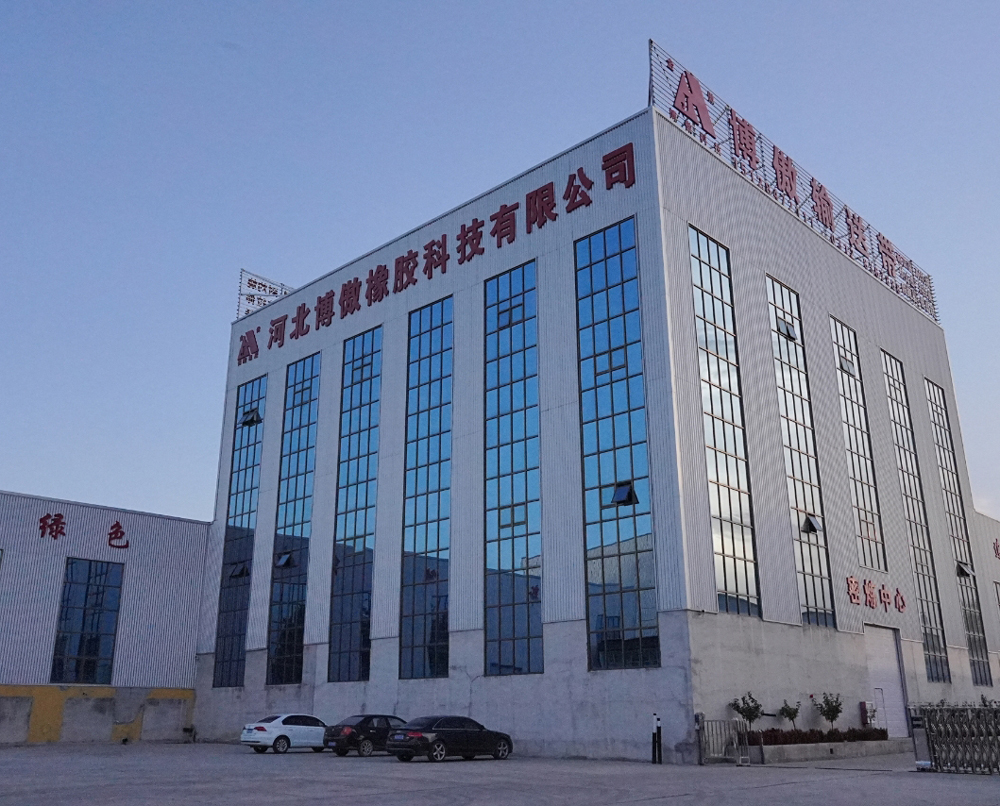
A B2B heavy-duty belt manufacturer delivering custom engineering, strict quality control, and end-to-end service support.
Located in the heart of the Rubber Industrial Park of Boye County, Baoding, Hebei Province, Hebei Boao Rubber Technology Co., Ltd. was established in 2004. Over the past 22 years, our facility has grown to cover more than 30 acres, positioning us as one of the region's leading B2B manufacturing plants.
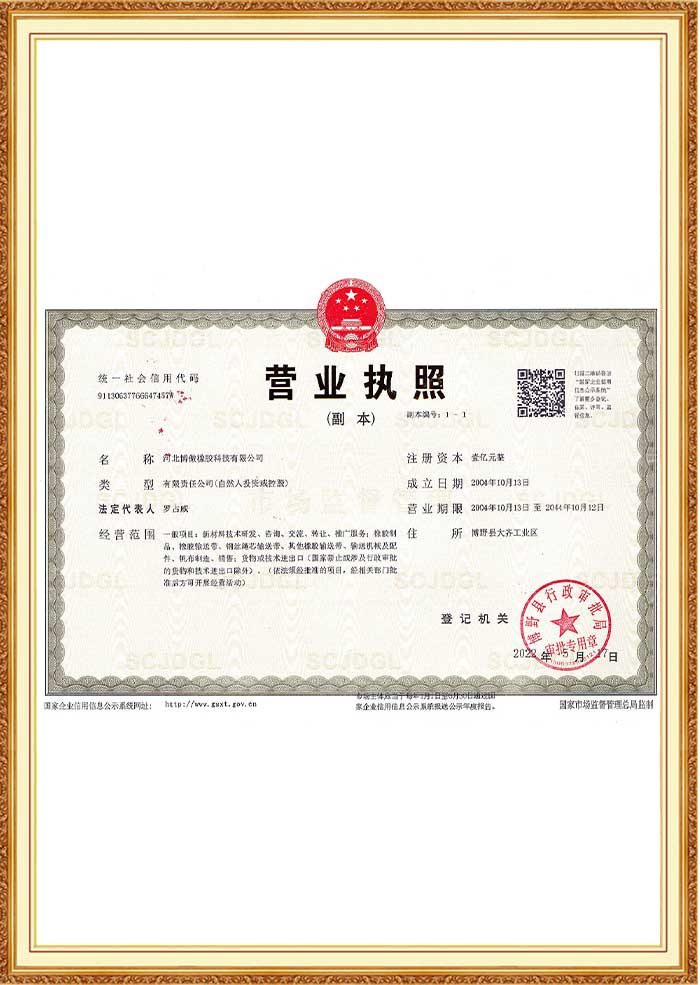
Our flag-ship brand, "Jinao", is synonymous with structural integrity and wear resistance across key global mining and heavy industrial sectors. We are a professional manufacturer in China that integrates product development, research, design, manufacturing, and business services for conveyor belts and conveyor machinery accessories. We have also passed the international quality management system certification in one go.
Unlike factories that outsource compounding, rolling, or vulcanization, Hebei Boao owns and operates advanced equipment production lines for every step of production. This includes multi-roll calendering lines, forming machines, continuous flat-press vulcanizers, and state-of-the-art testing equipment.
Our vertically integrated workflow ensures that every phase of production is monitored by our quality assurance specialists. We maintain full traceability for every raw material batch (elastomer polymers, cords, carbon black, curing agents) to ensure consistency across every kilometer of conveyor belt produced.
Equipped with independent chemical analysis rooms, physics laboratories, and internationally recognized certification standards.
Our specialized laboratory tests rubber formulations and mechanical parameters to guarantee high quality. Our technicians perform peel tests to verify adhesion strength, pull-out tests to verify steel cord bond strength, and abrasion resistance tests using DIN standards.
We enforce a strict quality policy: raw materials cannot enter the factory without testing, and finished products cannot leave without a final inspection report. Our dynamic fatigue testers test the limits of our fabrics under load before they are approved for shipment.
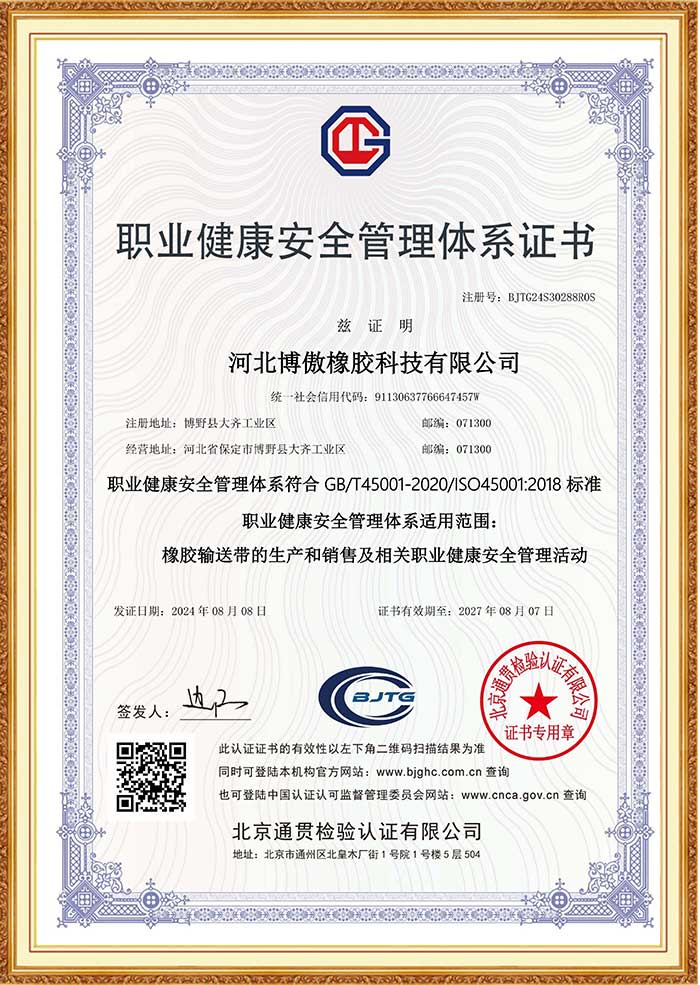
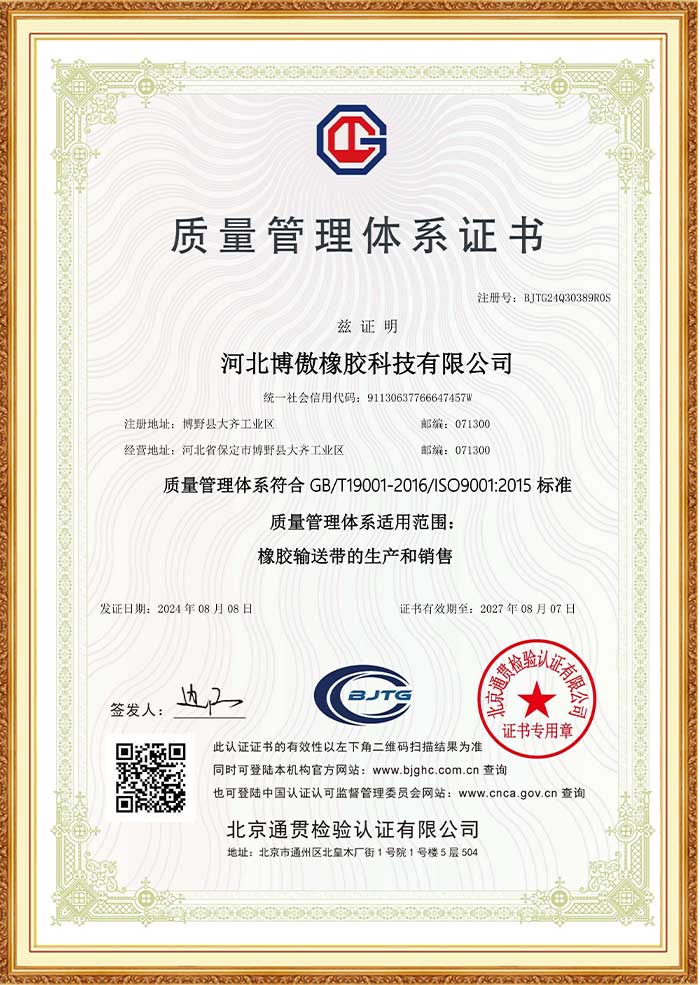
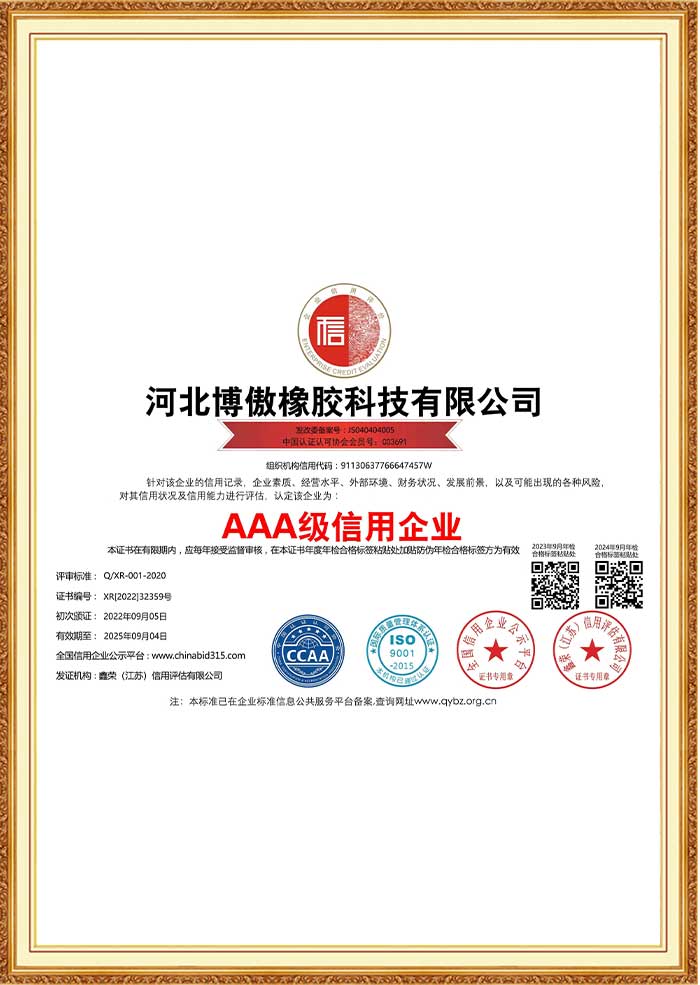
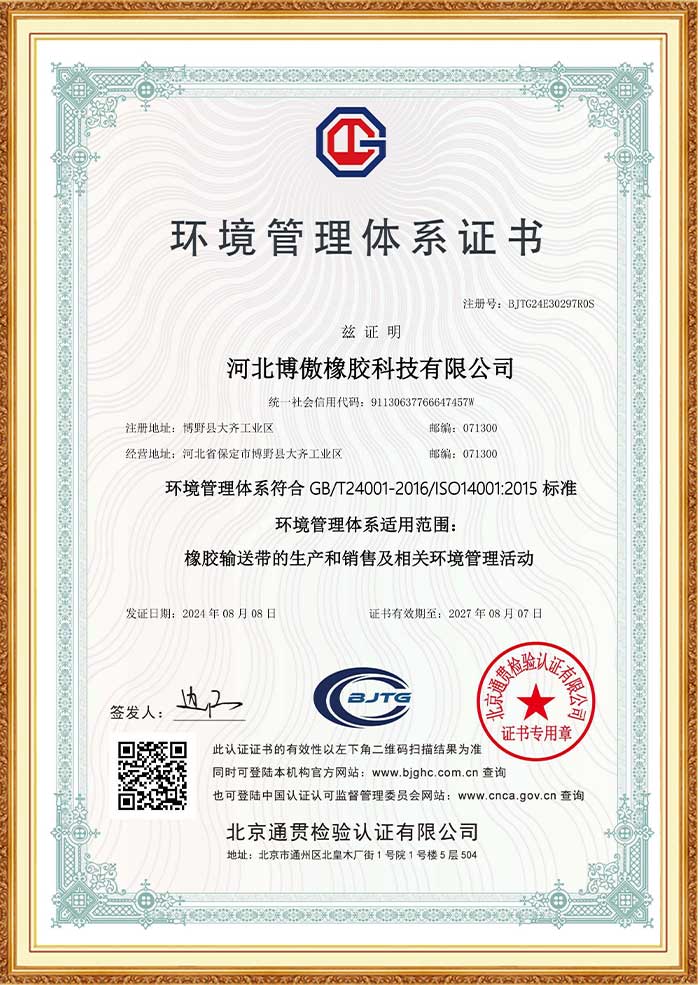
Hebei Boao products comply with global regulatory requirements. Our engineering designs and materials meet international industry standards, including API 6D, API 607, CE, ISO9001, ISO14001, ISO18001, and TS certifications.
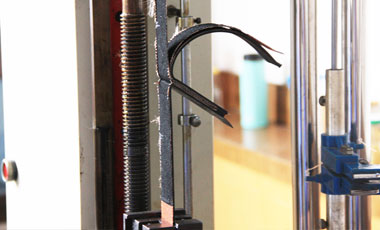
Peeling Test Station
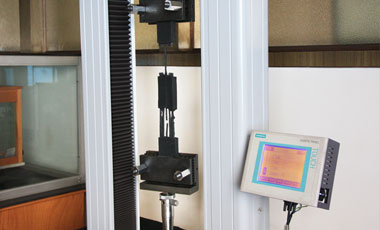
Steel Cord Pull-out Tester
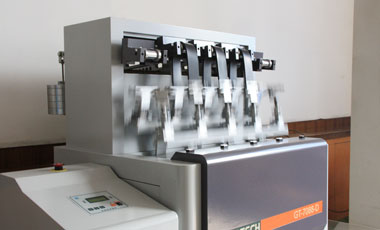
Dynamic Fatigue Tester
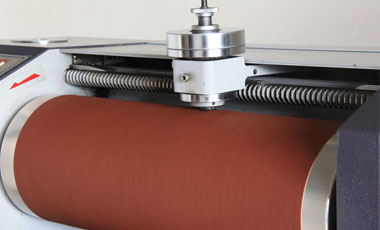
Abrasion Resistance Tester
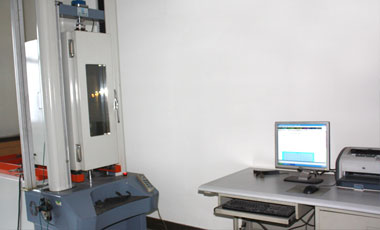
Elastomer Physics Suite
Our vulcanized belts are engineered to withstand extreme climates, chemical hazards, and abrasive environments across global project sites.
Operating in regions like the high Andes or Arctic climates requires rubber compounds that maintain flexibility in extreme cold. Our cold-resistant conveyor belts are rated for temperatures down to -40°C. They remain flexible, resisting surface cracking and protecting the inner textile plies from moisture penetration.
Metallurgical processing and steel plants run conveyor lines carrying sinter and clinker at temperatures up to 250°C (and transient peaks of 300°C). Our heat-resistant vulcanized belts are formulated with EPDM polymers to prevent thermal oxidation and hardening, reducing the need for frequent line changeovers.
Handling wet ores, chemically treated coal, phosphates, and acidic slag degrades regular rubber belts. Our acid and alkali-resistant conveyor belts are formulated with specialized synthetic elastomers to prevent swelling, blistering, and early structural breakdown.
Integrating Industrial IoT, energy-efficient compounds, and eco-friendly vulcanization systems into next-generation conveying.
Our commitment to sustainable production focuses on removing hazardous nitrosamine-producing accelerators from our vulcanization formulas. We are engineering low-rolling-resistance (LRR) rubber compounds for bottom covers. These compounds minimize indentation losses as the belt passes over rollers, reducing conveyor system energy consumption by up to 15%.
The next generation of our "Jinao" conveyor belts will integrate RFID and smart monitoring technology. High-value steel wire cord belts can be equipped with embedded sensor loops. These loops detect rips and wear, sending alerts to control systems to stop the line automatically and prevent costly equipment damage.
How Boye County's industrial cluster and our advanced mixing center ensure fast shipping, high quality, and cost savings.
Being based in Boye County gives us direct access to regional raw material supplies, machinery manufacturers, and specialized technical expertise. This concentration of resources keeps logistics costs low and simplifies chemical sourcing, allowing us to offer highly competitive pricing.
Our computerized mixing center manages the proportioning of carbon black, polymers, and vulcanizing agents. Automated batching ensures consistent material characteristics, preventing human error and keeping our compounding processes highly reliable.
Our close proximity to major ports like Tianjin and Qingdao allows us to coordinate international freight shipments efficiently. We manage bulk packaging, custom crating, and marine transport documentation to ensure safe, on-time delivery to ports worldwide.
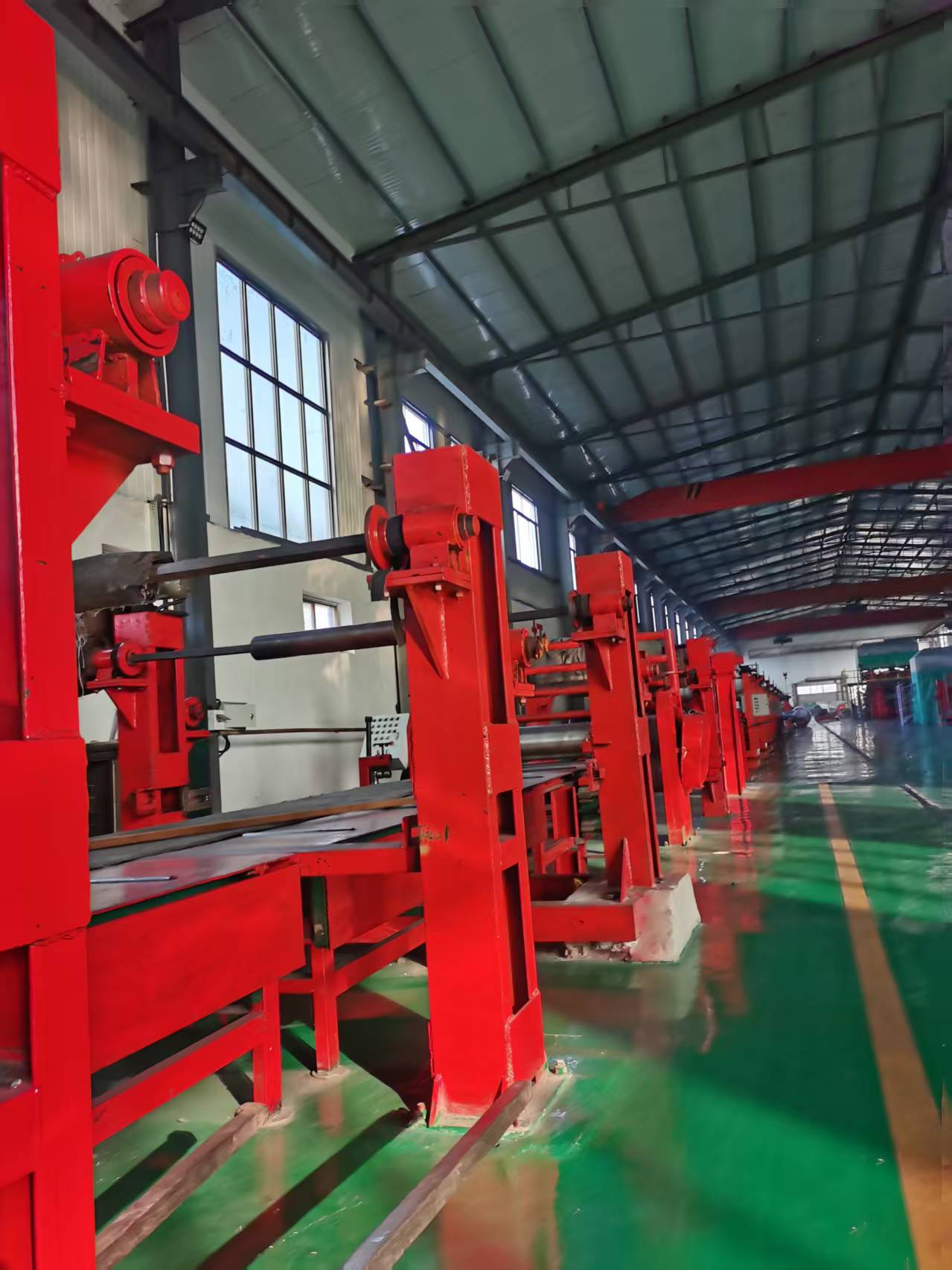
Fabric Conveyor Calendering Line
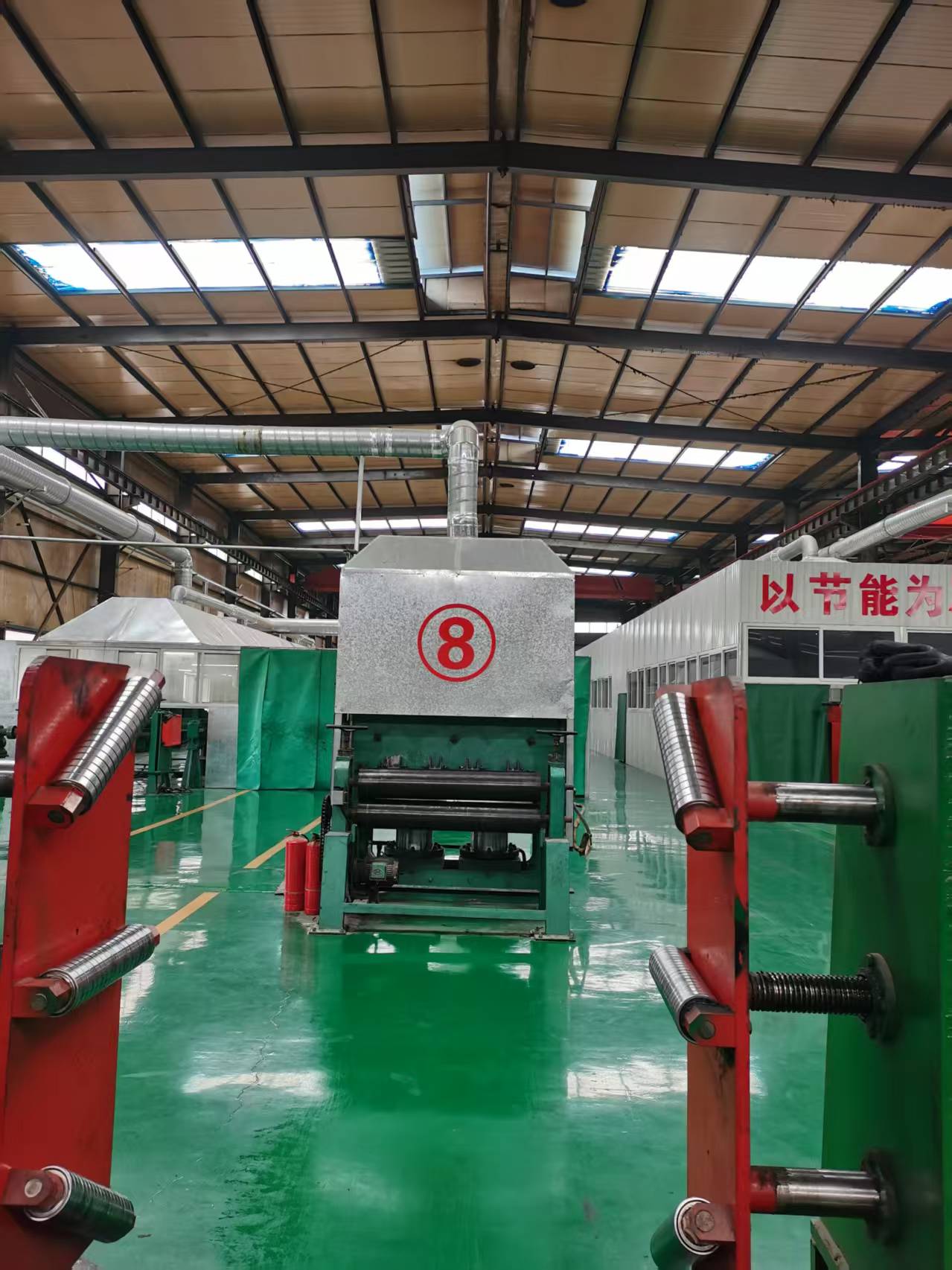
Steel Cord Forming System
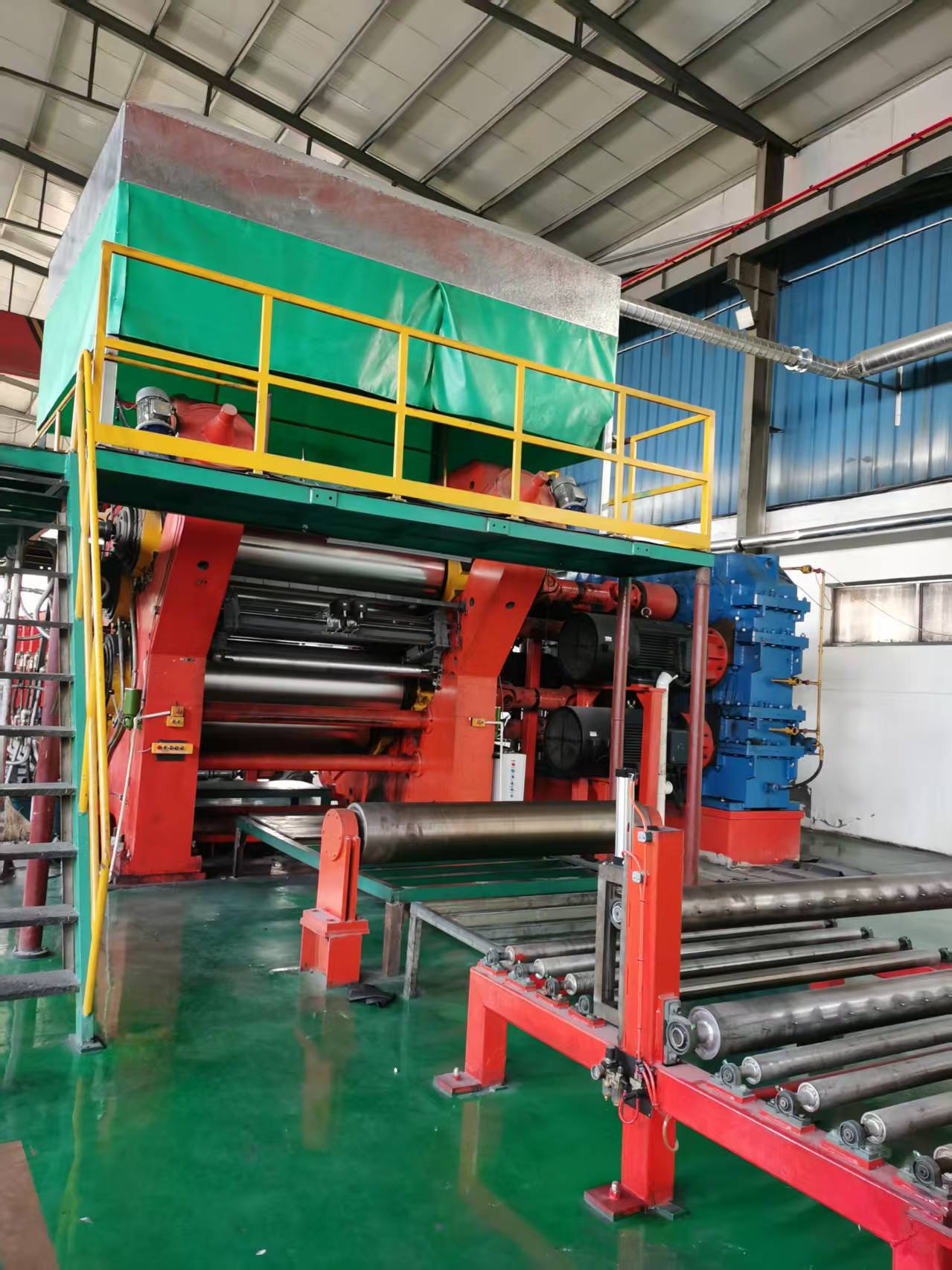
Precision Compounding Controls
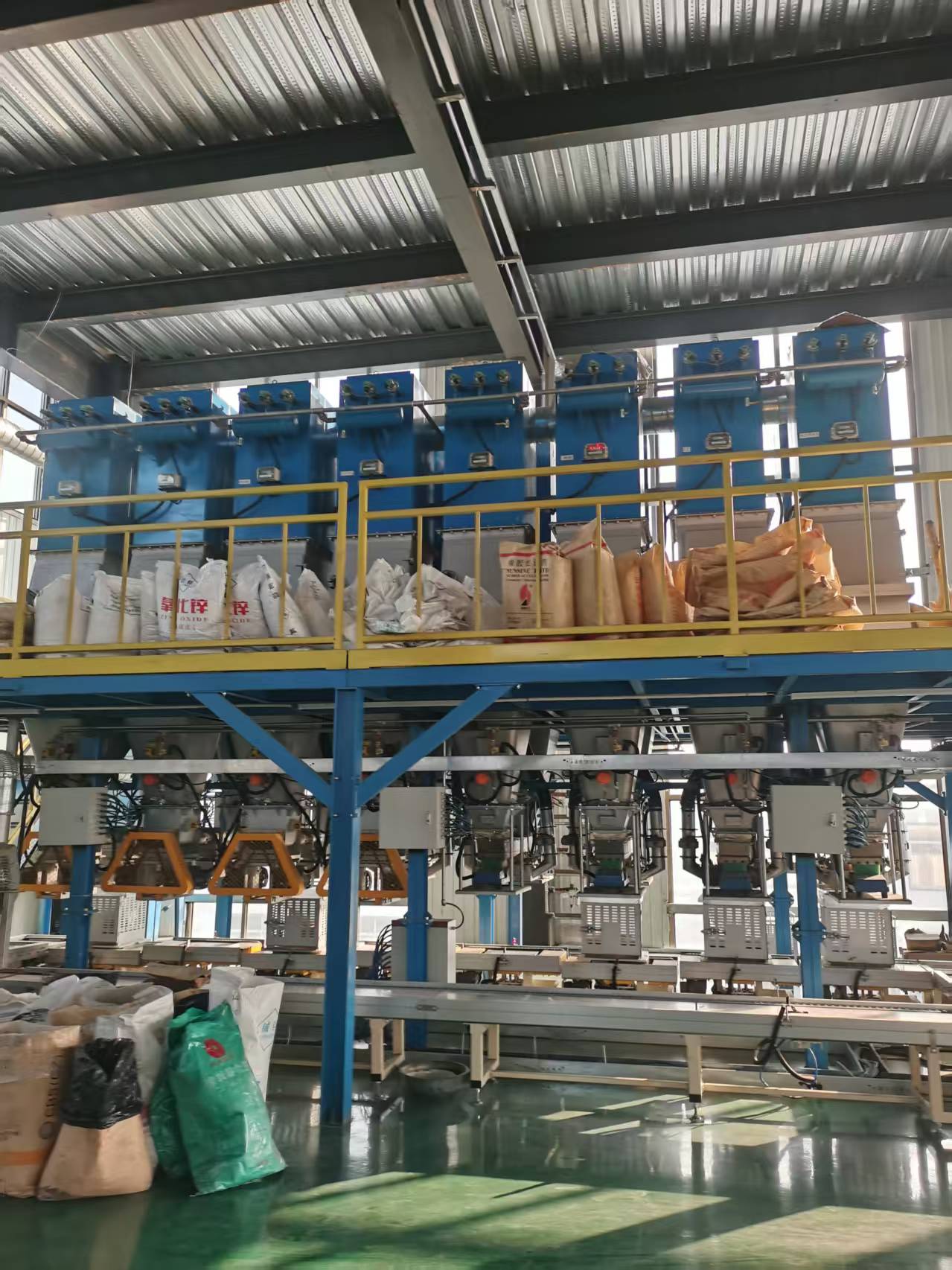
Automated Feed Silos
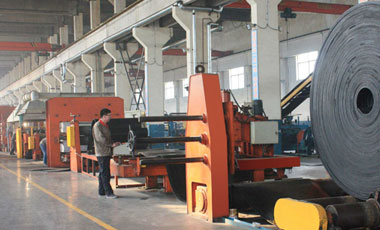
Dynamic Extruder Feeders
We provide full technical support, safety stock management, and on-site maintenance programs to keep your plant running smoothly.
We assist with planned replacements, belt repairs, regular inspections, maintenance, and emergency splicing services. Our goal is to extend the service life of your conveyor belts and maximize system runtime.
We supply vulcanized conveyor belts, matching rubber compounds, cold bonding cements, and hot vulcanizing splice kits. We help manage safety stock levels and coordinate scheduled maintenance to keep operations running smoothly.
By optimizing conveyor parameters, refining dynamic splice designs, and reducing wear, we work with partners to lower total operational costs and maximize efficiency.
Our high-performance conveyor systems support mining, steel production, and bulk material handling projects globally.
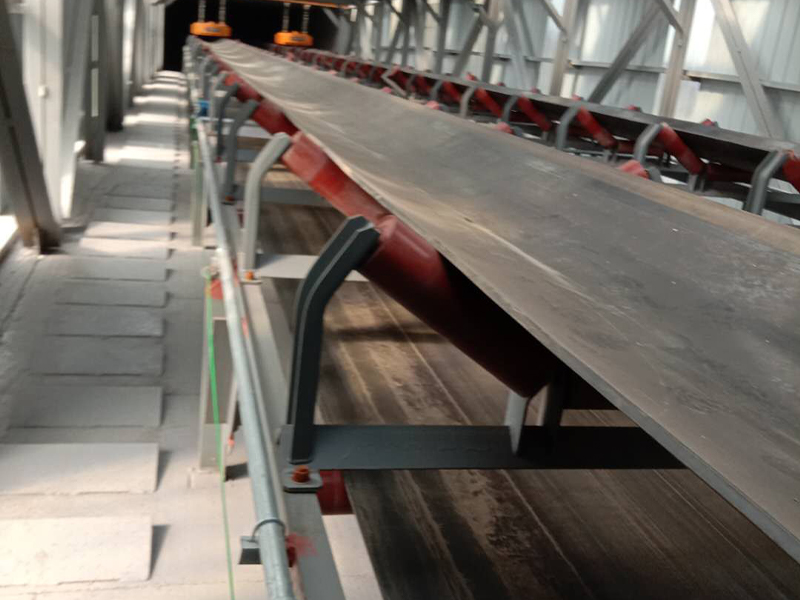
Taihang Steel Smelting Complex
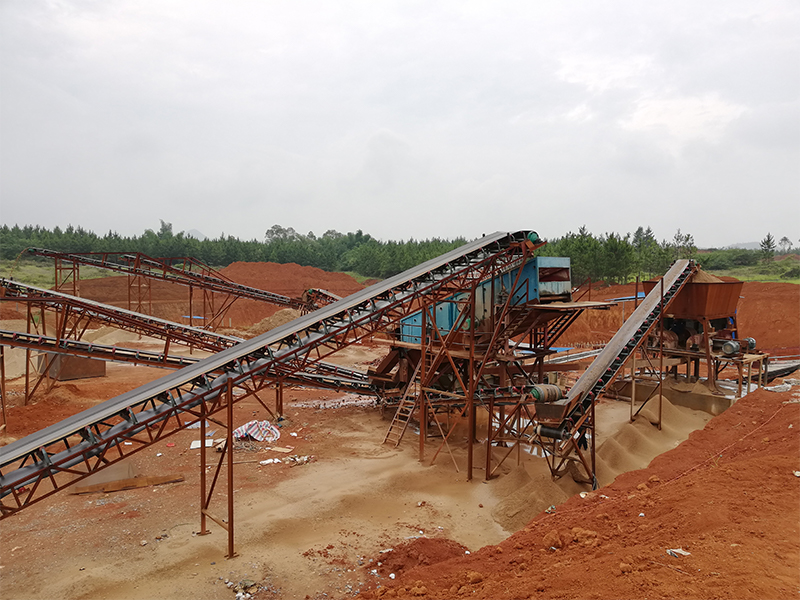
Tsingshan Group Mining Logistics
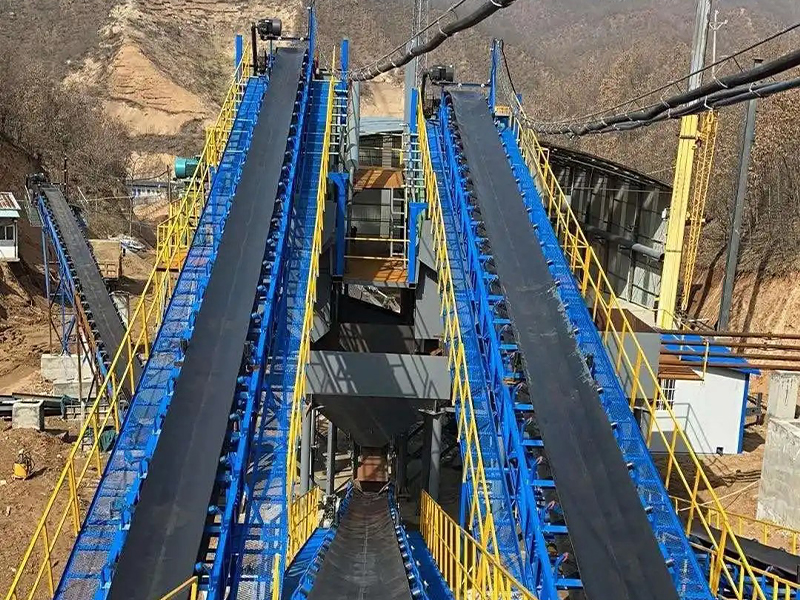
Zijin Mining Heavy-Duty Terminal
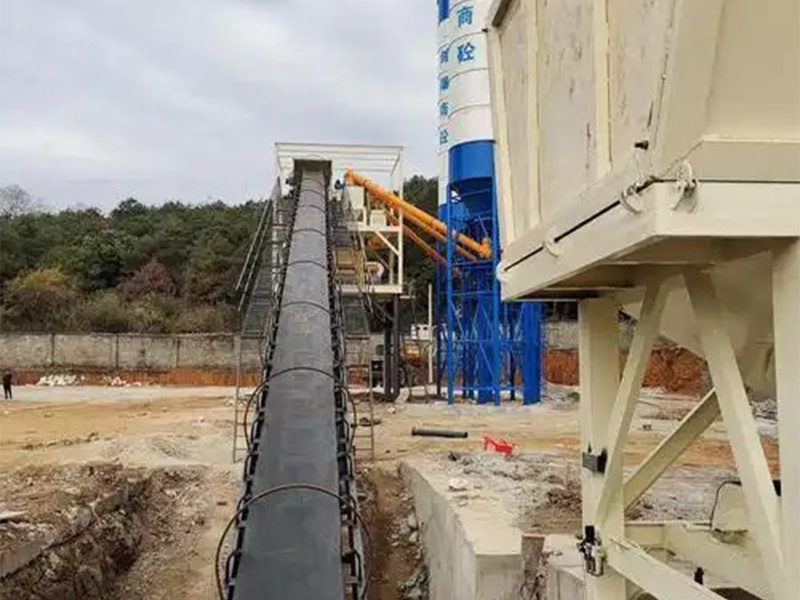
China Railway Group Concrete Plant
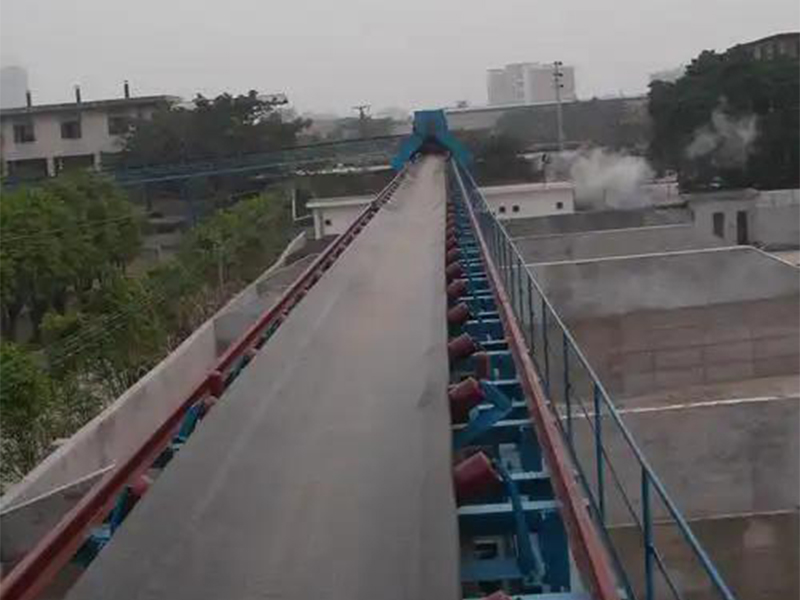
Conch Cement Clinker Sourcing
Datong Coal Underground Transport
B2B procurement questions answered by our engineering and compounding departments.
Hot vulcanization uses a specialized heating press to apply controlled heat and pressure to the splice area, creating a continuous molecular link with properties similar to the original belt. It is the preferred method for high-tension steel cord and heavy textile belts, providing up to 90% of the belt's rated strength. Cold chemical bonding uses a two-part adhesive at ambient temperatures, which is faster and doesn't require heavy machinery, but is typically limited to lower-tension applications and has a shorter operational lifespan in wet or dusty environments.
These grades define the wear resistance of the cover under ISO 10247 standards. Grade W is designed for highly abrasive applications, with a maximum volumetric wear loss of 90 mm³. Grade X offers balanced performance with a maximum wear loss of 120 mm³, making it suitable for heavy materials like quartz and granite. Grade Y is suited for general-purpose handling (maximum wear loss of 150 mm³), including coal, sand, and limestone. Matching the compound grade to your material properties helps optimize belt life and cost.
We use brass-coated steel cords that react with sulfur during vulcanization to form a strong copper-sulfide chemical bond. We also apply a specialized, highly adhesive tie-gum around the cords. This multi-step bonding process is validated in our laboratory using pull-out testers to verify compound-to-metal adhesion and prevent ply separation under high tension.
Rubber belts should be stored in a cool, dry, and clean indoor facility. They must be kept away from direct sunlight, chemical hazards, oils, and strong electrical fields (which produce ozone that can degrade rubber). The rolls should be supported off the ground on their original packaging cores to prevent structural distortion from weight distribution.
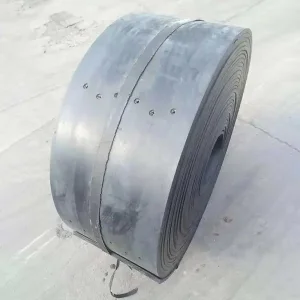
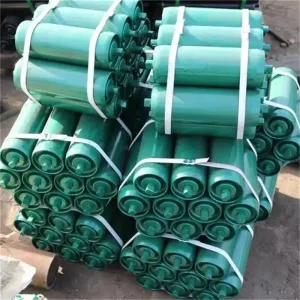
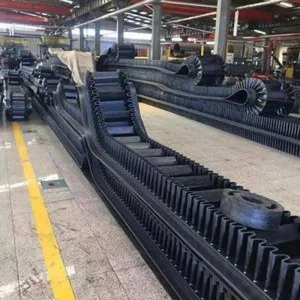
Complete your layout with our range of supporting rollers, high-angle sidewalls, and reinforced conveyor belts.
 Boao Rubber