Explore our core engineering configurations tailored for efficient material handling, high-load capacities, and severe environment resilience.
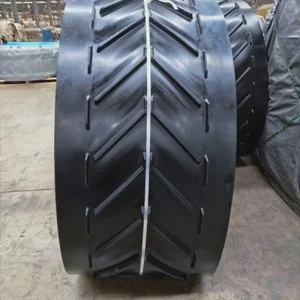
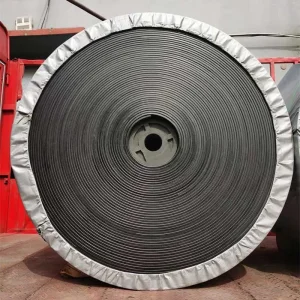
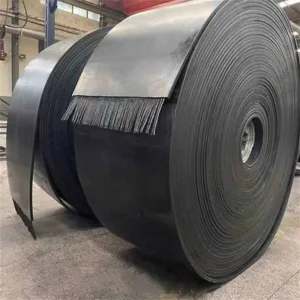
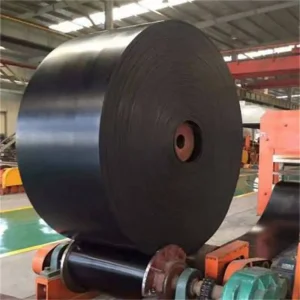
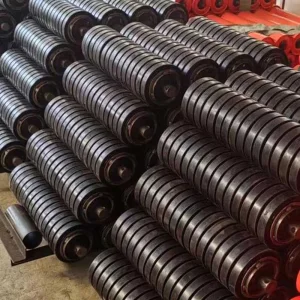
An in-depth whitepaper on the growth vectors, polymer chemistry, and automation dependencies shaping modern light-duty conveyance systems.
In the contemporary manufacturing era, the transition from rigid, high-mass material transport systems to agile, lightweight, and food-safe solutions has positioned Polyurethane (PU) Light-Duty Conveyor Belts at the forefront of automation. Primarily designed to handle small, delicate, or hygienic materials, PU conveyor belts have revolutionized sectors such as pharmaceutical manufacturing, agricultural sorting, e-commerce fulfillment, and food processing.
Unlike traditional heavy-duty rubber belts designed for bulk mining and metallurgy, light-duty PU belts focus on precision engineering, hygiene standards (complying with FDA and EU regulations), and minimal energy consumption. Thermoplastic Polyurethane (TPU) provides an exceptional surface structure that is non-porous, highly resistant to vegetable oils, animal fats, and chemical cleaning agents, rendering it highly superior to PVC and classic elastomers in sensitive processing lines.
From a mechanical polymer perspective, the selection of conveying media defines the operational life cycle and efficiency of an automated conveyor system. The table below represents a structural analysis of how PU compares to PVC and conventional rubber compounds in light-duty and intermediate conveying environments:
| Property | Thermoplastic Polyurethane (PU) | Polyvinyl Chloride (PVC) | Standard Rubber (SBR / NBR) |
|---|---|---|---|
| Hygienic Performance | Excellent (FDA & EU compliant, non-porous, prevents microbial growth) | Moderate (Prone to plasticizer migration and micro-cracking) | Low (Retains particles, restricted mainly to industrial bulk handling) |
| Oil & Chemical Resistance | Outstanding against organic fats, oils, and mild acids | Medium resistance; weakens under high fat concentrations | High (specifically with NBR blends) but prone to abrasive degradation |
| Mechanical Flexibility | Exceptional. Minimal pulley diameter requirements, low fatigue | Moderate. Flex-fatigue leads to premature cracking over small drums | Requires high tension and large drums; heavy structural weight |
| Abrasion & Tear Resistance | Superior wear resistance. Highly cut-resistant surface profile | Moderate. Susceptible to cuts and gouges from sharp parts | Very high abrasion resistance but lacks thin-gauge flexibility |
| Operational Temperature | Wide range (-20°C to +90°C), thermal-shock resistant | Restricted (-10°C to +70°C); stiffens in freezing conditions | Extremely broad (-40°C to +150°C for heat-resistant grades) |
The global demand for PU light-duty conveyor belts is directly linked to the rapid growth of high-velocity parcel sorting (e-commerce hubs) and automated food packaging lines. As smart factories implement robotic pick-and-place systems, conveyor belts must maintain dimensional stability, low noise parameters, and low friction coefficients. Modern factories utilize PU belts to minimize kinetic drag, which directly reduces the electrical load on drive motors, aligning with global carbon-reduction initiatives (ESG).
Next-generation TPU compounds incorporate antimicrobial additives molecularly bound within the polyurethane layer. This technology prevents bacterial biofilm formation, maintaining strict sanitary parameters in poultry, meat, and dairy processing applications.
By using monolithic PU belts driven by sprockets rather than friction tension, manufacturers eliminate slippage, tracking problems, and excessive tensioning requirements, ensuring precise positioning and sync in automated lines.
Integrating specialized carbon-weave fabrics into the tensile member of PU belts prevents electrostatic discharge in dry, dusty, or volatile electronic environments while maintaining decibel levels below 60 dBA at high velocities.
Hebei Boao Rubber Technology Co., Ltd. — Professional R&D, Design, and Advanced Material Testing Laboratory
Founded in 2004 and situated in the Boye County Rubber Industrial Park, Baoding, Hebei Province, Hebei Boao Rubber Technology Co., Ltd. covers an area exceeding 30 acres. Under our signature registered brand, "Jinao", we have committed more than two decades to integrating advanced polymer research, design, production, and after-sales service.
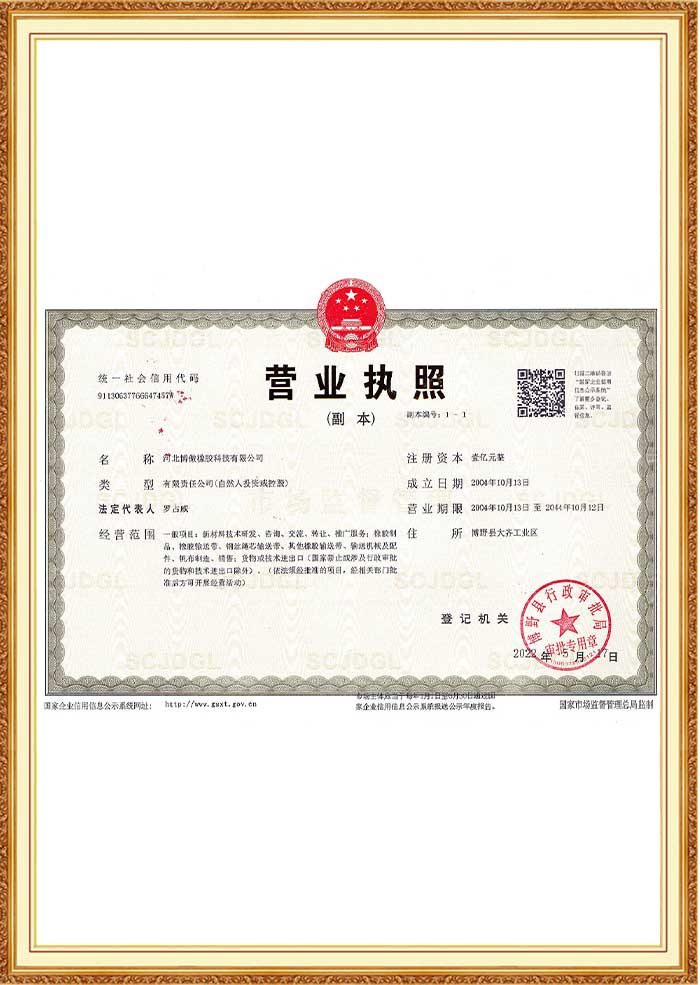
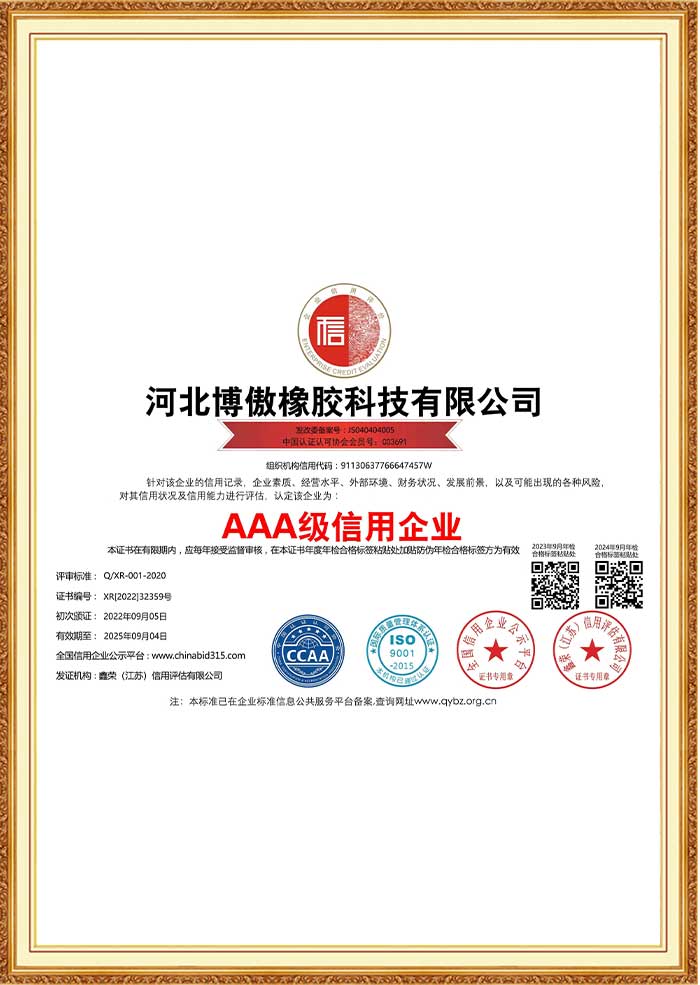
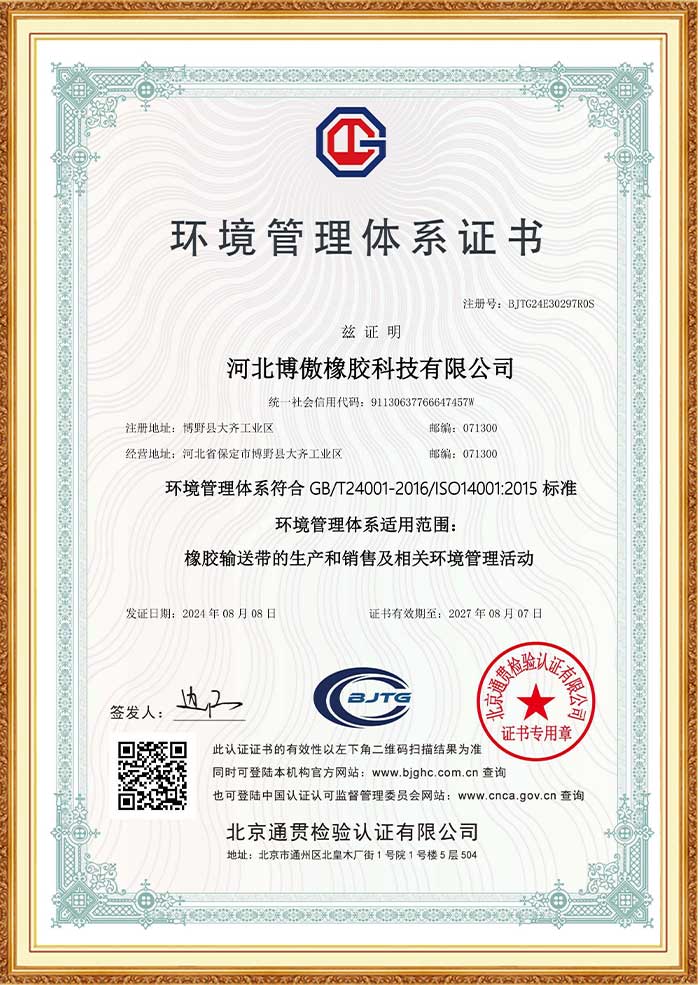
We are a certified ISO9001, ISO14001, and ISO18001 enterprise. While our foundation lies in manufacturing high-performance, heavy-duty rubber conveyor belts for steel, metallurgy, cement, and power generation sectors, our modern manufacturing facilities have systematically integrated thermoplastic lines to supply light-duty PVC and PU conveying solutions globally.
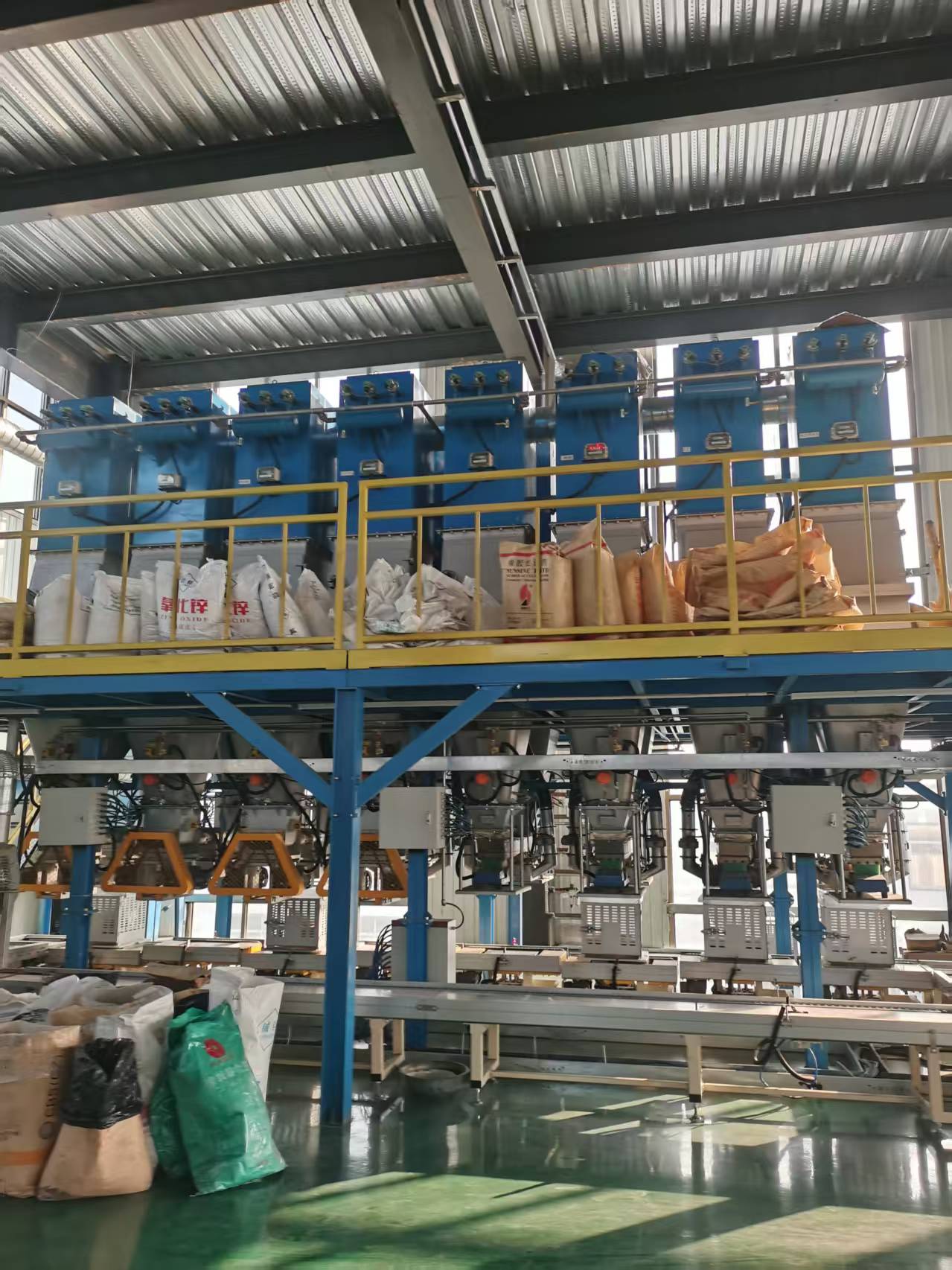
Our infrastructure features multiple advanced manufacturing lines for raw material compounding, calendering, high-pressure vulcanization, and tensile reinforcement fabrication. By maintaining total vertical control over our supply chain, we deliver unparalleled customization from basic dimensions to unique structural profiles.
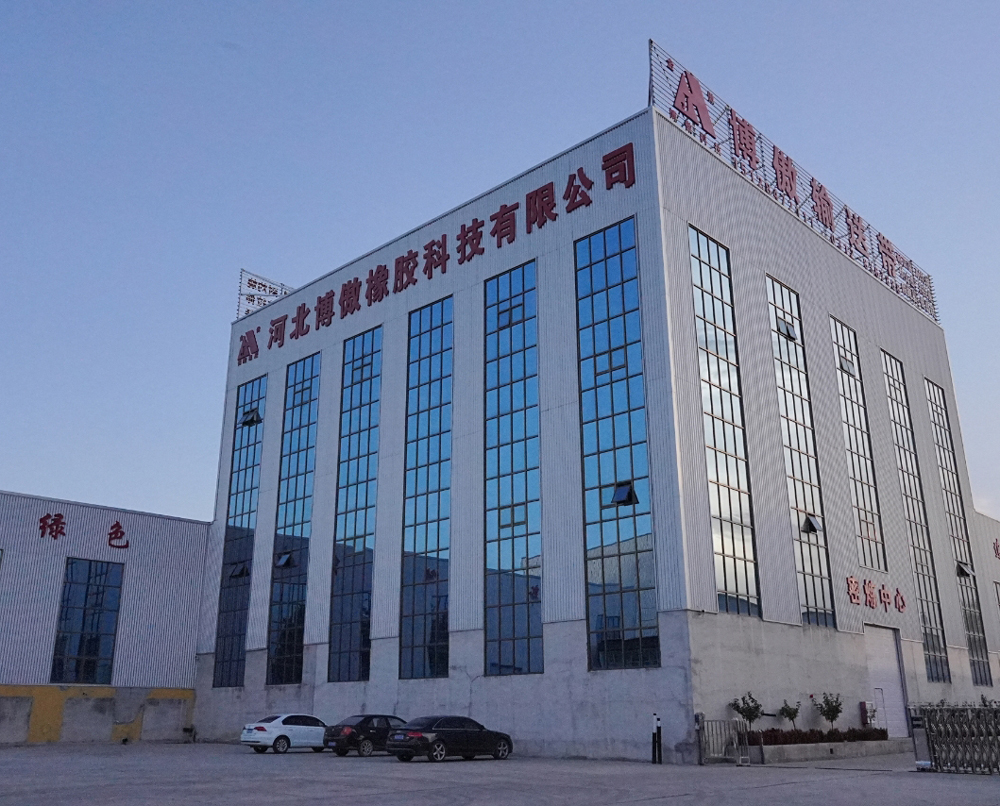
Boao runs an independent chemical analysis center and physics laboratory. Raw materials are strictly tested before processing, and finished products undergo rigorous destructive and non-destructive analysis prior to shipment.
Our testing labs are equipped with high-precision instruments: dynamic fatigue testers, peeling testers, rubber vulcanimeters, and steel cord pull-out testing rigs to verify carcass and cover adhesion values.
Our conveyor belt series are exported globally and widely implemented in highly demanding settings, including metallurgical facilities, coal mines, major grain ports, chemical processing factories, and automated distribution hubs.
Years Industrial Experience
Acres Factory Area
ISO & API Standard Passing Rate
Countries & Regions Exported
A transparent look at our specialized production technology and physical testing infrastructure.
To assure compliance with global directives (DIN, ISO, AS, JIS, RMA, FDA), Boao operates a fully integrated mixing center with automatic proportioning, high-pressure calenders, and modern vulcanizers. In addition, our physical analysis laboratory tests all dynamic stress characteristics of both fabric composite belts and steel-reinforced matrices.
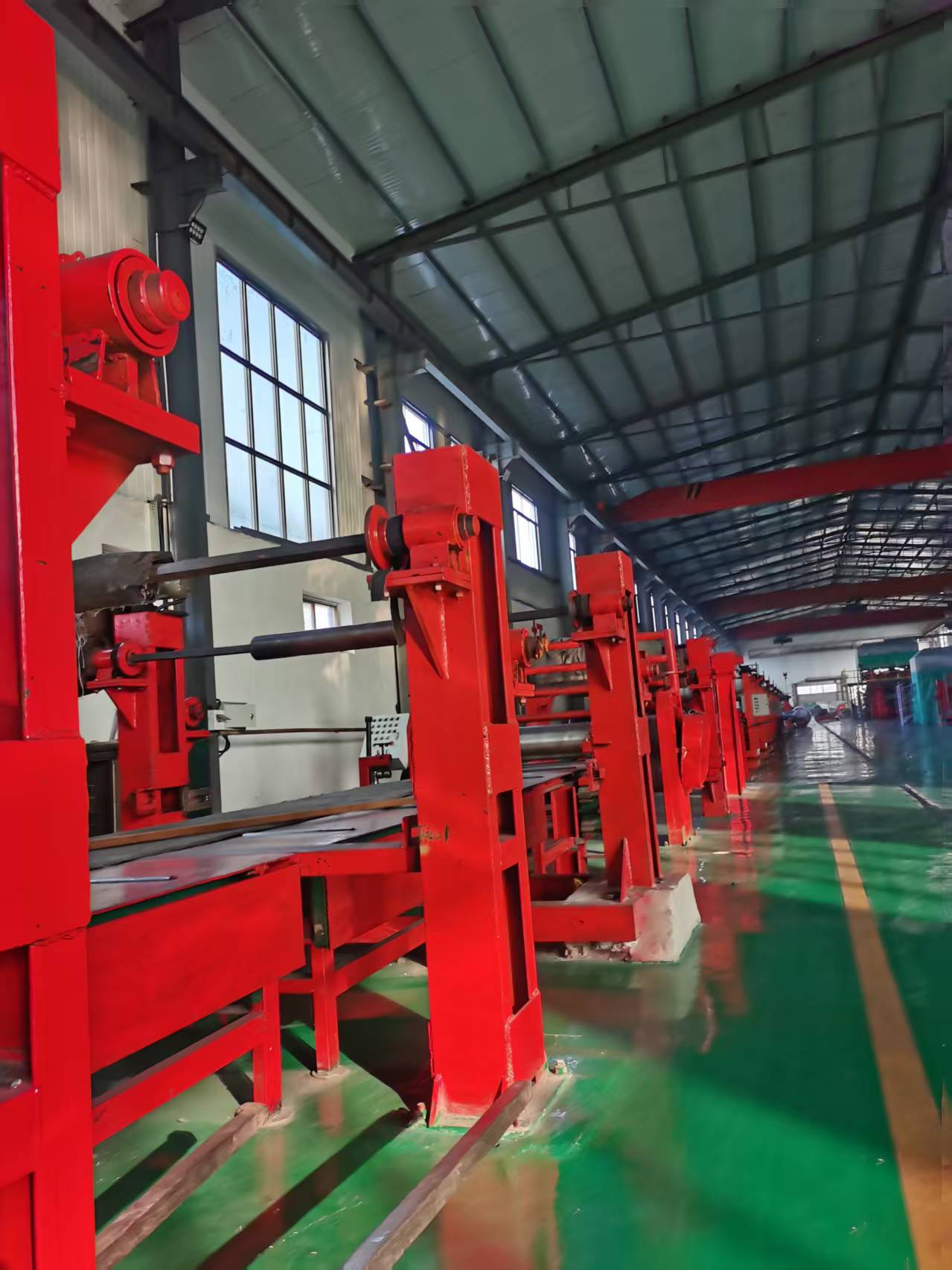
Fabric Conveyor Belt Production
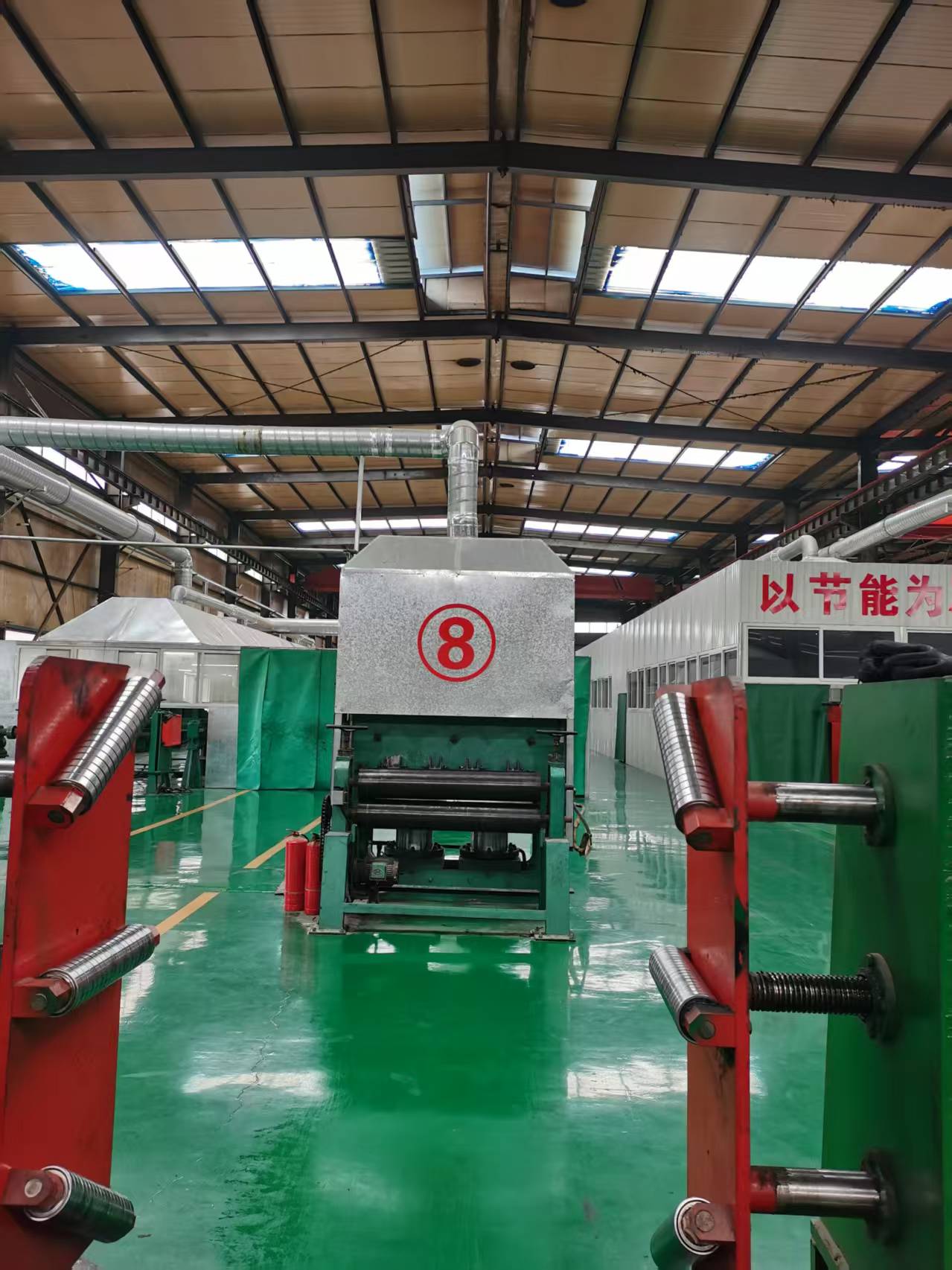
Precision Calendering Unit
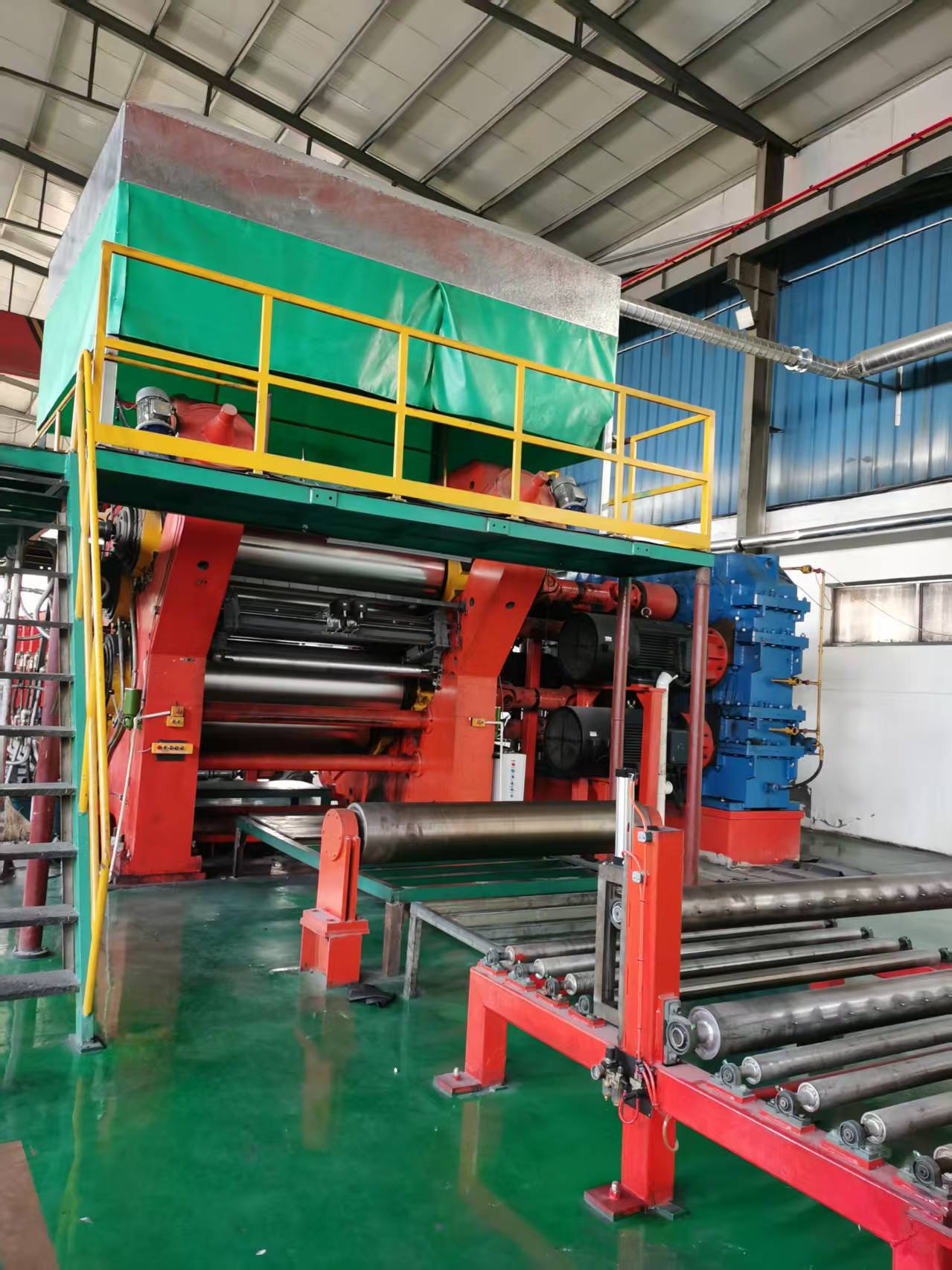
Vulcanization Assembly
Steel Cord Belt Assembly
Fabric Belting Calender
Steel Cord Extrusion Line
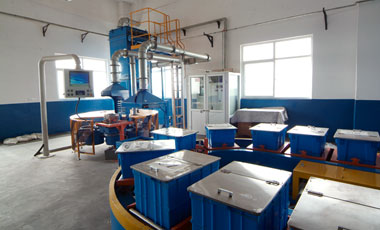
Automatic Mixing Proportioner
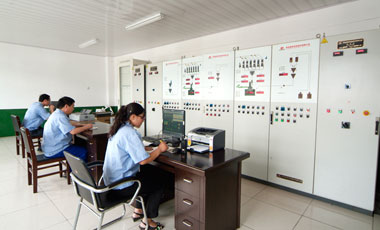
Smart Compounding System
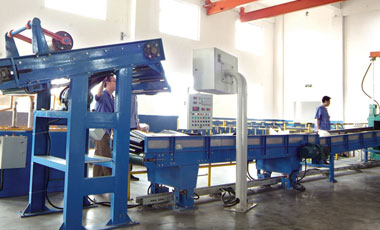
Pneumatic Compounding Feeder
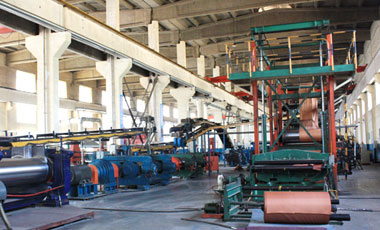
Calendering & Profiling Machine
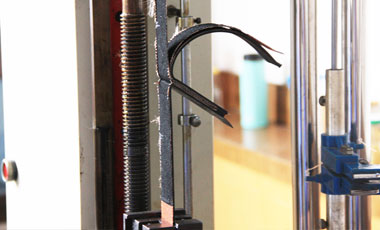
Inter-ply Adhesion Peeling Tester
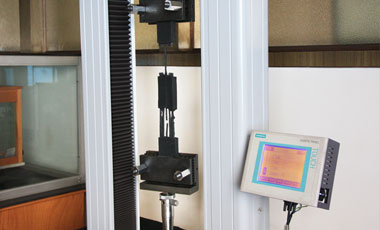
Steel Cord Pull-Out Machine
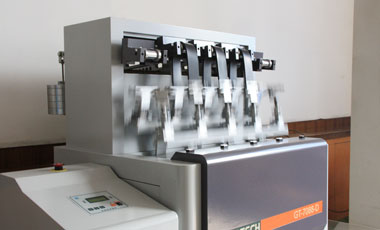
Dynamic Flex Fatigue Tester
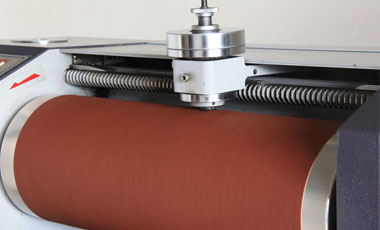
DIN Rubber Abrasion Tester
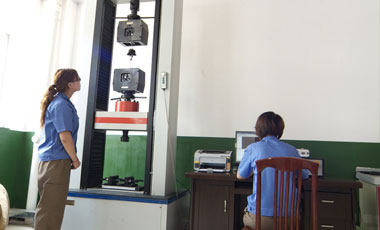
Standardized Abrasion Test Station
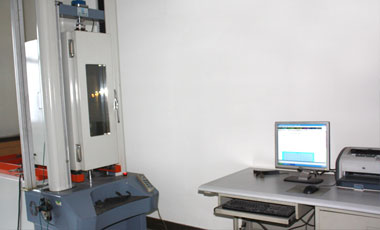
Physical Property Testing Facility
Providing custom lifecycle management, preventative diagnostics, and seamless field installations.
Optimized preventive schedules based on carcass stress calculations, avoiding downtime on main transportation lines.
Trained field technicians deliver on-site splicing using finger joints, step joints, or mechanical fasteners for PU, PVC, and heavy rubber belts.
Laser profiling and ultrasound scanning verify thickness profiles, predicting remaining service life and identifying tracking issues early.
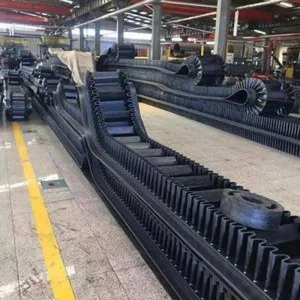
Integrating sidewalls, V-guides, cleats, and custom surface profiles directly onto fabrics or covers to meet specific application requirements.
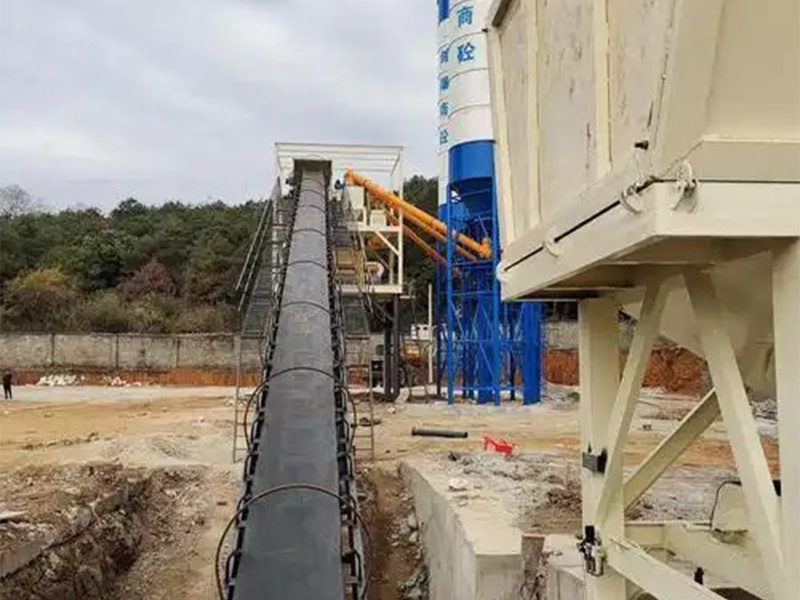
China Railway Group Mixing Plant
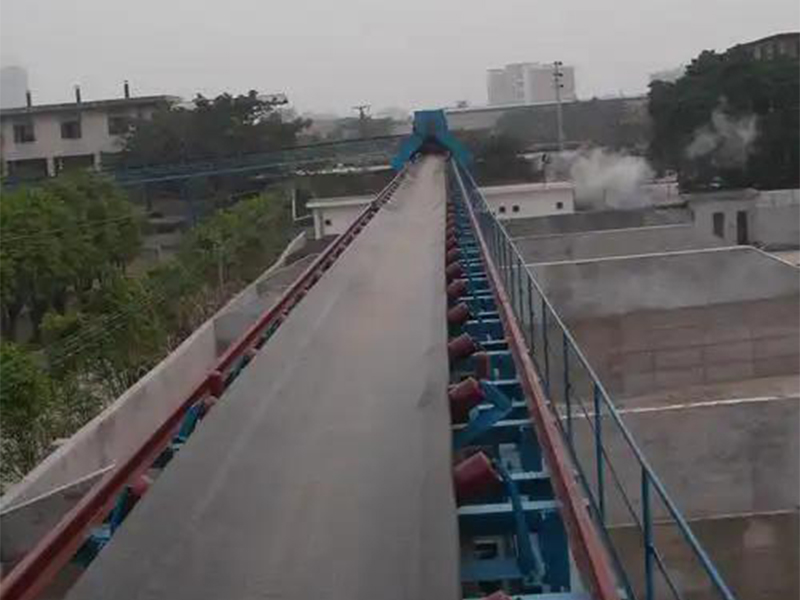
Conch Cement
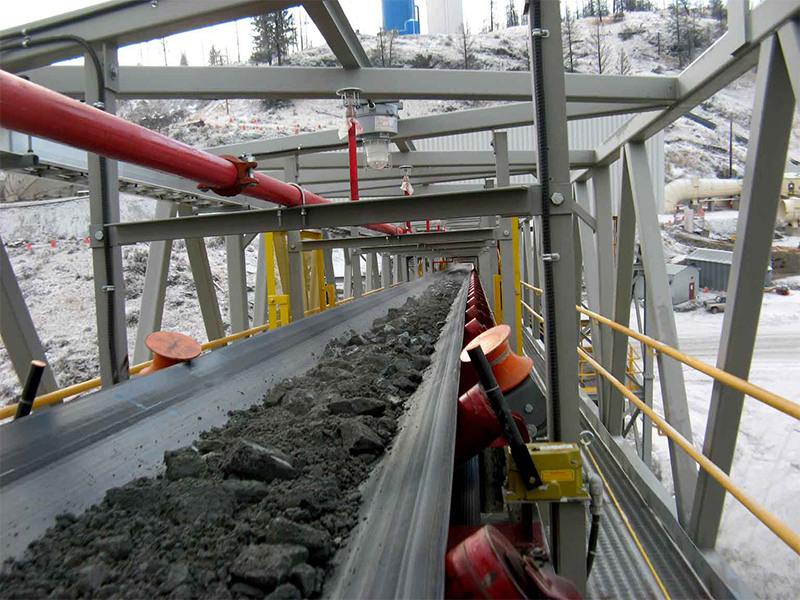
Datong Coal Group
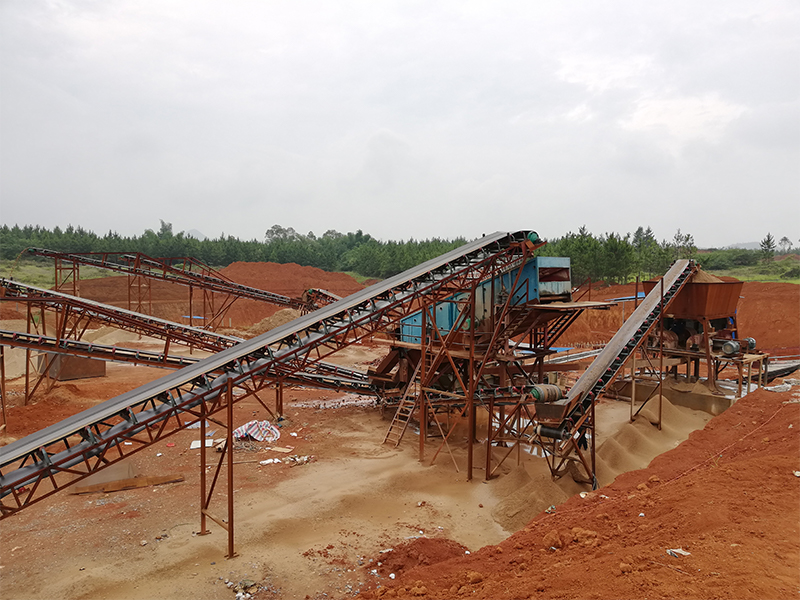
Tsingshan Group
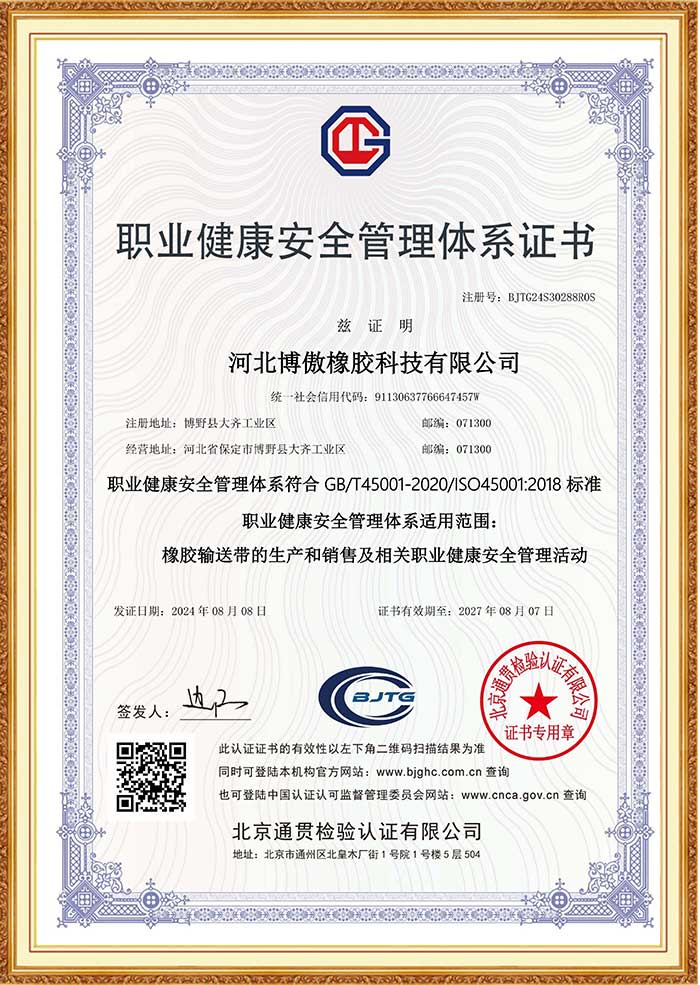
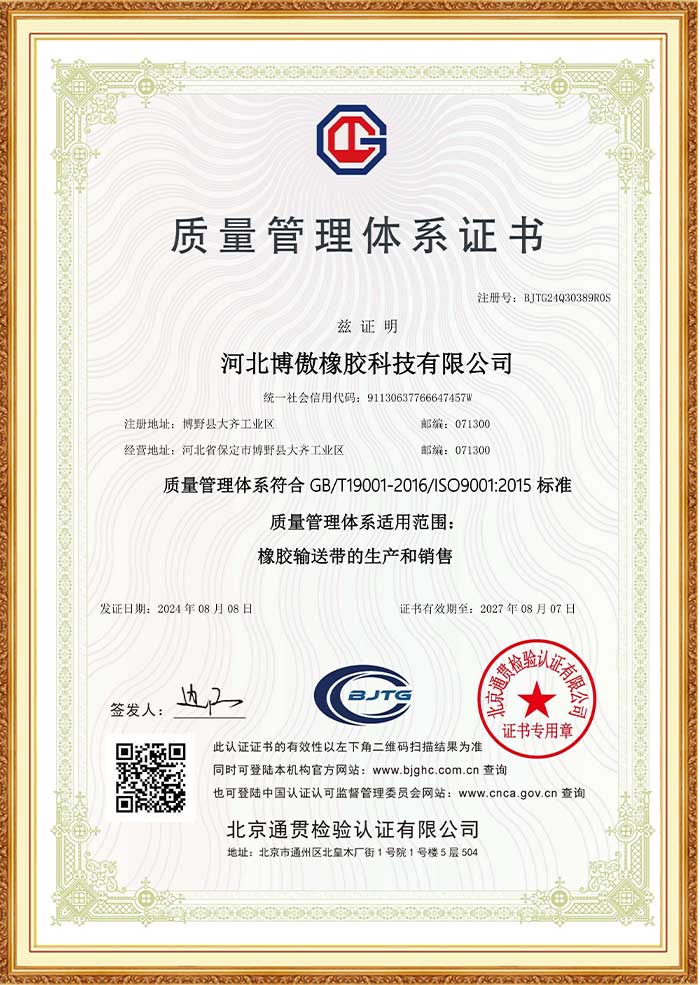
Addressing core mechanical, structural, and chemical questions from conveyor designers and procurement teams.
Explore our secondary lineup, including high-temperature rubber, acid-alkali resistant carcasses, and steel-reinforced belts.
Get in touch with Boao's application engineers to determine the ideal polymer compounds, carcass specs, and profile dimensions for your facility.
 Boao Rubber