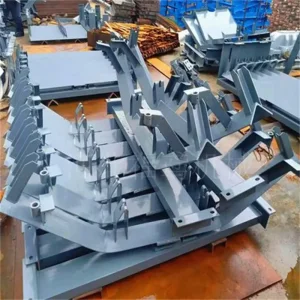
Explore our core selection of industrial conveyor belts, rollers, and accessories engineered to deliver outstanding physical characteristics and long-term durability.
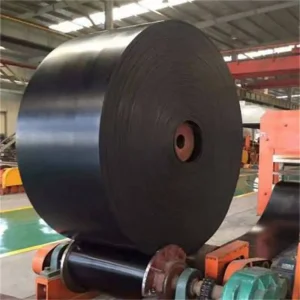
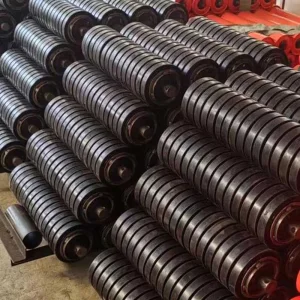
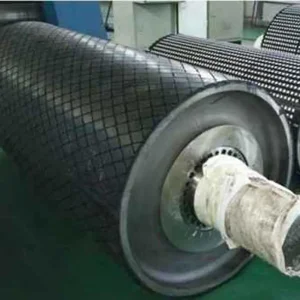
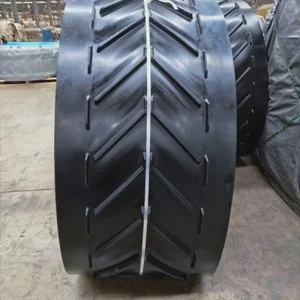
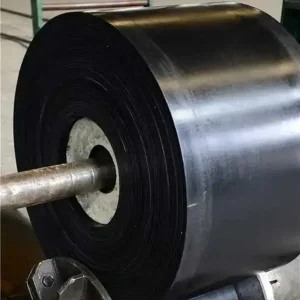
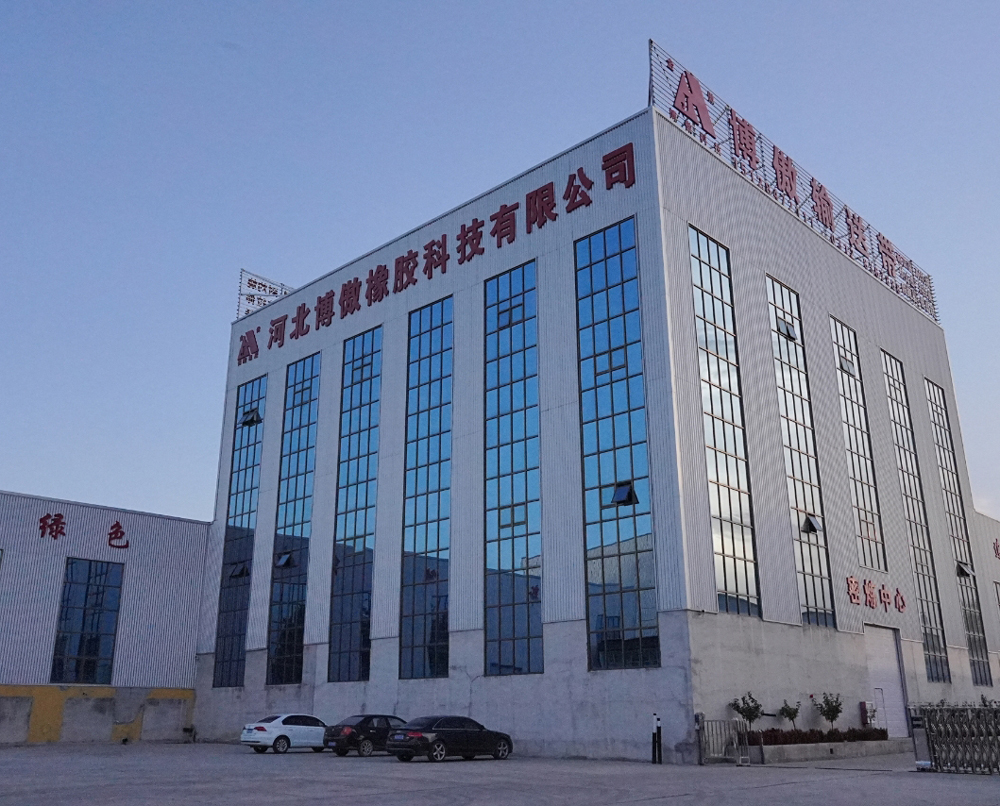
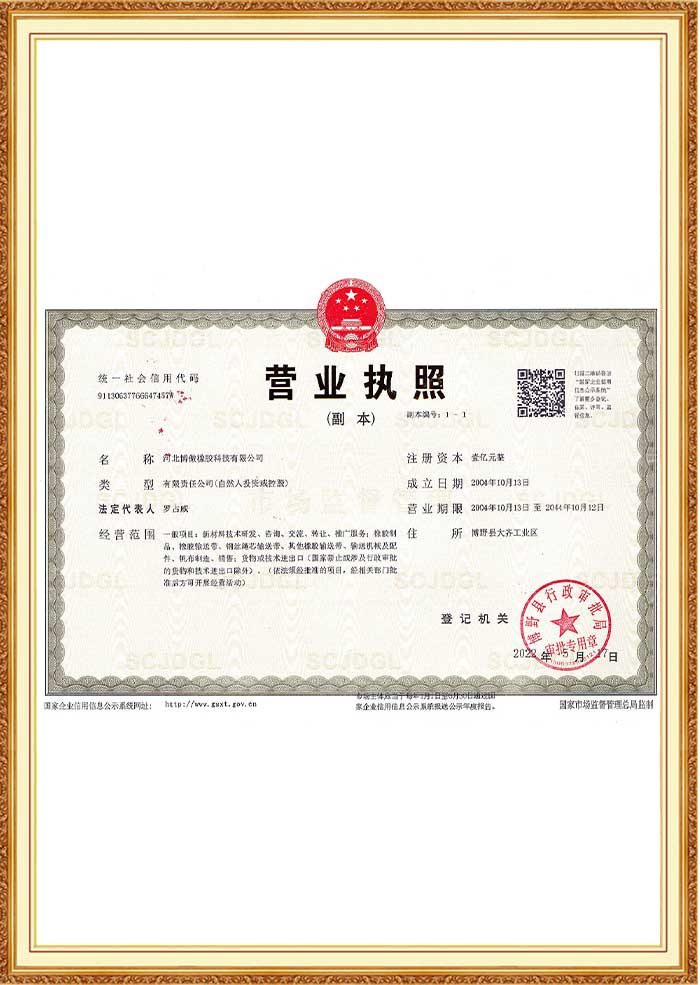
Hebei Boao Rubber Technology Co., Ltd. is strategically located within the Rubber Industrial Park of Boye County, Baoding, Hebei Province, China. Established in 2004 and covering an expansive modern manufacturing site of over 30 acres, we are a professional industry leader under our proprietary brand "Jinao". We deliver a complete integrated cycle combining product research, advanced engineering design, custom prototyping, high-capacity fabrication, and dedicated global technical advisory service lines.
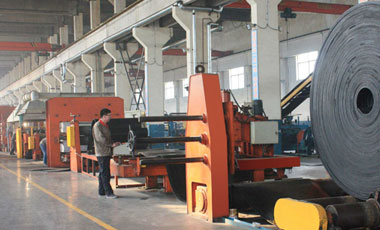
Over more than 22 years of experience, our technical team has worked closely with national infrastructure projects and Fortune 500 enterprises. We have passed the international quality management system certifications, ensuring our processes remain highly standard-compliant from basic elastomer compounding up to finished multi-ply conveyor assembly lines. Our factory operates automated rolling, continuous vulcanization, profiling, and quality testing lines capable of manufacturing heavy-duty and lightweight polymer solutions alike.
Our commitment to quality, engineering transparency, and comprehensive customer support makes us the primary partner for demanding logistics and manufacturing tasks globally.
We feature an independent chemical analysis lab and physical property testing rooms. We monitor and record mechanical profiles from polymer feeding, compounding, calendering, up to vulcanization, rejecting raw materials or finished products failing our benchmarks.
Employing state-of-the-art testing equipment including Peeling Testers, Steel Cord Pull-out Machines, and Dynamic Fatigue Testers, our engineering inspectors ensure that cover rubber tensile strength and core adhesion meet standard criteria.
Backed by deep technical resources and modular local servicing options, our lightweight and heavy-duty belts are integrated throughout critical industries: metallurgy, coal processing, cement production, power generation, and port logistics.
The transition from traditional rubber layers to intelligent, high-polymer compositions defines the modern materials handling landscape. Our current research focus shapes our dynamic roadmap.
Our raw material development targets non-toxic Thermoplastic Polyurethane (TPU) and Hytrel TPEE materials. These compounds are free of halogens and plasticizers, complying with strict global food contact criteria (FDA, EU 10/2011). These formulations prevent micro-cracks and food allergen build-up.
Energy consumed by slider-bed systems constitutes a high operational expense. Our factory combines custom bottom weaves with specialized lubricants, reducing the coefficient of friction against slider beds down to < 0.12. This translates to lower power draw on drive motors.
We are embedding micro-RFID sensors and magnetic tracking indicators into the layered structure of the belts. This allows processing hubs to detect splice slip, heat anomalies, and carcass tear risks before they trigger unplanned shut downs.
Industrial lines demand custom performance. Discover how Boao adjusts physical properties to match specific operating conditions.
High speed, flame retardance, and quiet operation are critical. Our low-noise polyester fabric bottom layers reduce noise levels below 65 dB at high travel speeds, maintaining reliable sorting in sorting terminals.
Antimicrobial TPU surfaces protect against oil and fat degradation. They resist standard cleaning agents, keeping the belt surface safe for handling raw dough, confectionery, meat, or agricultural goods.
Static charges can damage electronic chips and create safety risks. Our carbon-formulated anti-static covers keep surface electrical resistance strictly between 106 to 109 ohms, safely grounding static charge.
| Belt Base Material | Hardness (Shore A) | Min. Pulley Diameter | Tensile Strength (N/mm) | Temperature Range (°C) | Primary Industrial Applications |
|---|---|---|---|---|---|
| Thermoplastic Polyurethane (TPU) | 85 - 92 | 15 mm - 40 mm | 8 - 15 | -20 to +80 | Food handling, high-accuracy sorting, electronics, packaging lines |
| Polyvinyl Chloride (PVC) | 70 - 80 | 40 mm - 90 mm | 10 - 24 | -10 to +80 | Airport luggage sorting, package sorting, agricultural sorting |
| Elastomeric Rubber (NN/EP) | 60 - 75 | 120 mm+ | 100 - 400 | -30 to +120 | Heavy bulk sorting, sand & gravel, recycling plants |
| Specialty Silicone | 55 - 65 | 30 mm - 60 mm | 6 - 12 | -40 to +180 | Sticky confectionery, hot plastic part cooling, rubber curing lines |
Our Boye County facility incorporates automated compounding, precision calendering, and raw material monitoring to keep supply lines reliable and manufacturing costs stable.
Operating a high-capacity processing plant requires strict physical process control. Our raw material mixing center employs closed feeding loops to prevent foreign contamination. The calendering machinery maintains precise cover thickness down to 0.1mm tolerances across the entire width of the belt.
By producing our own base components, such as rubber buffers, tension brackets, and wear-resistant rollers, we help prevent shipping bottlenecks. This vertically integrated manufacturing model keeps production lines running smoothly and allows for fast processing of customized bulk orders.
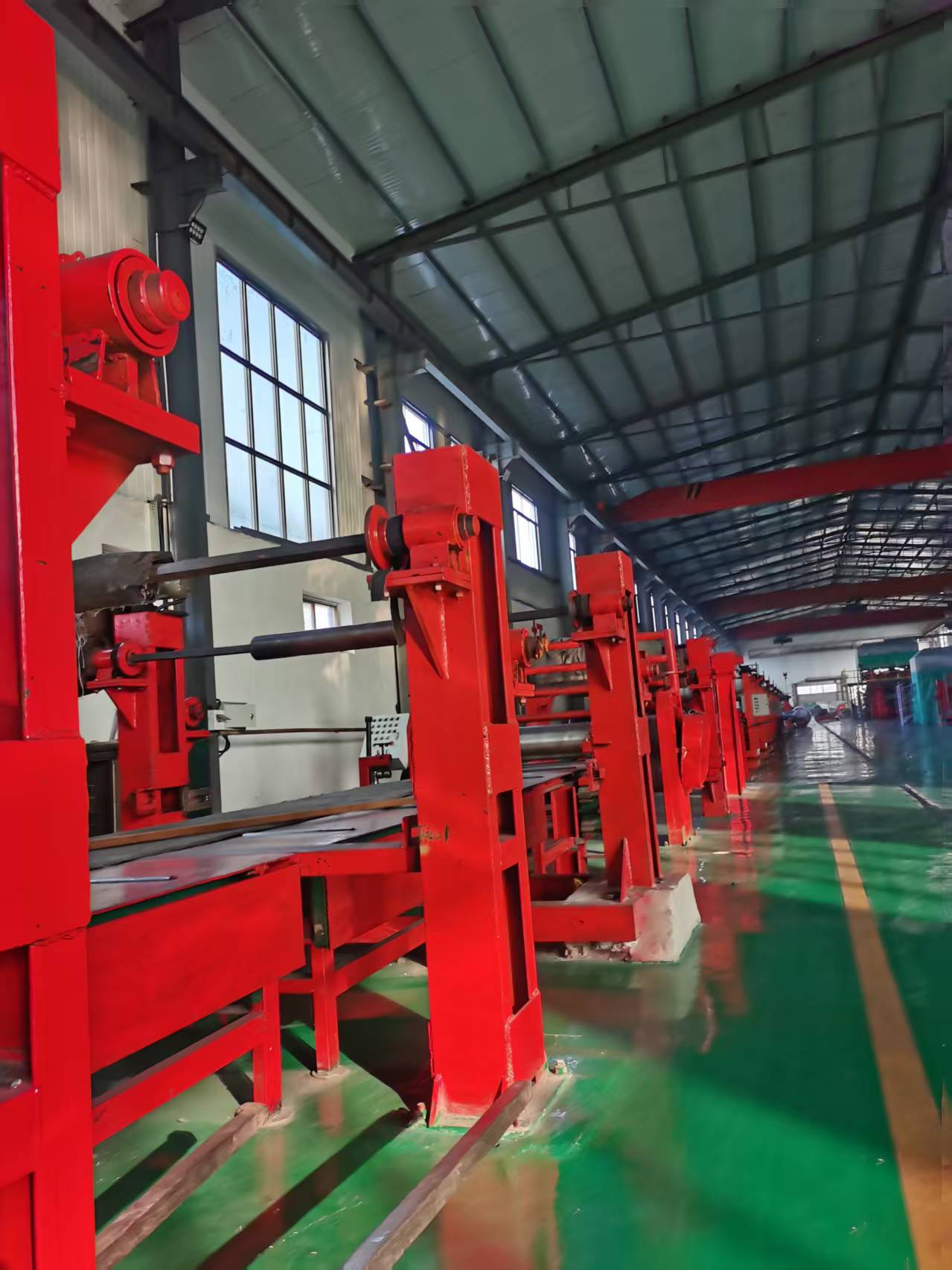
Vulcanization Press
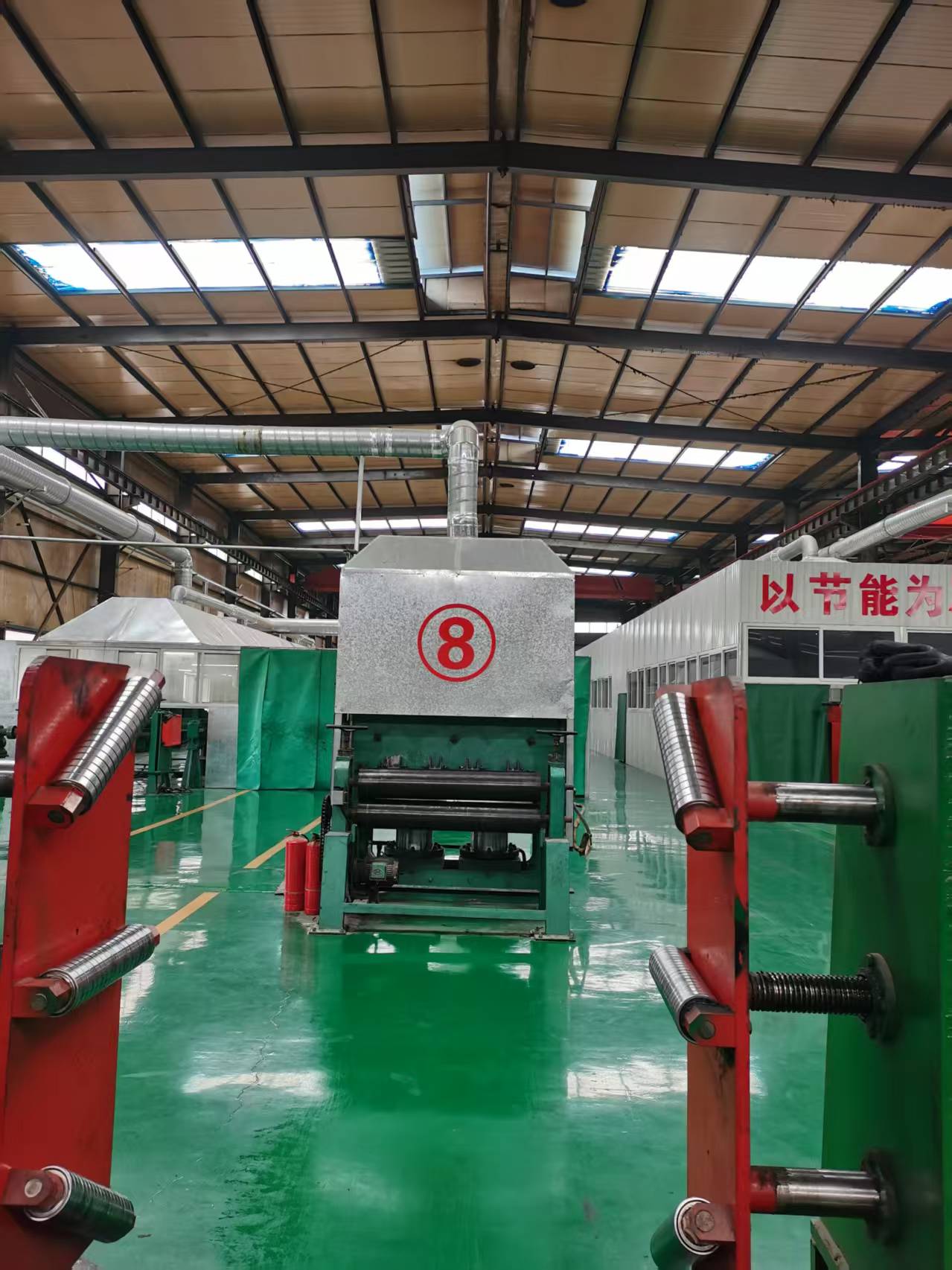
Automated Slitter
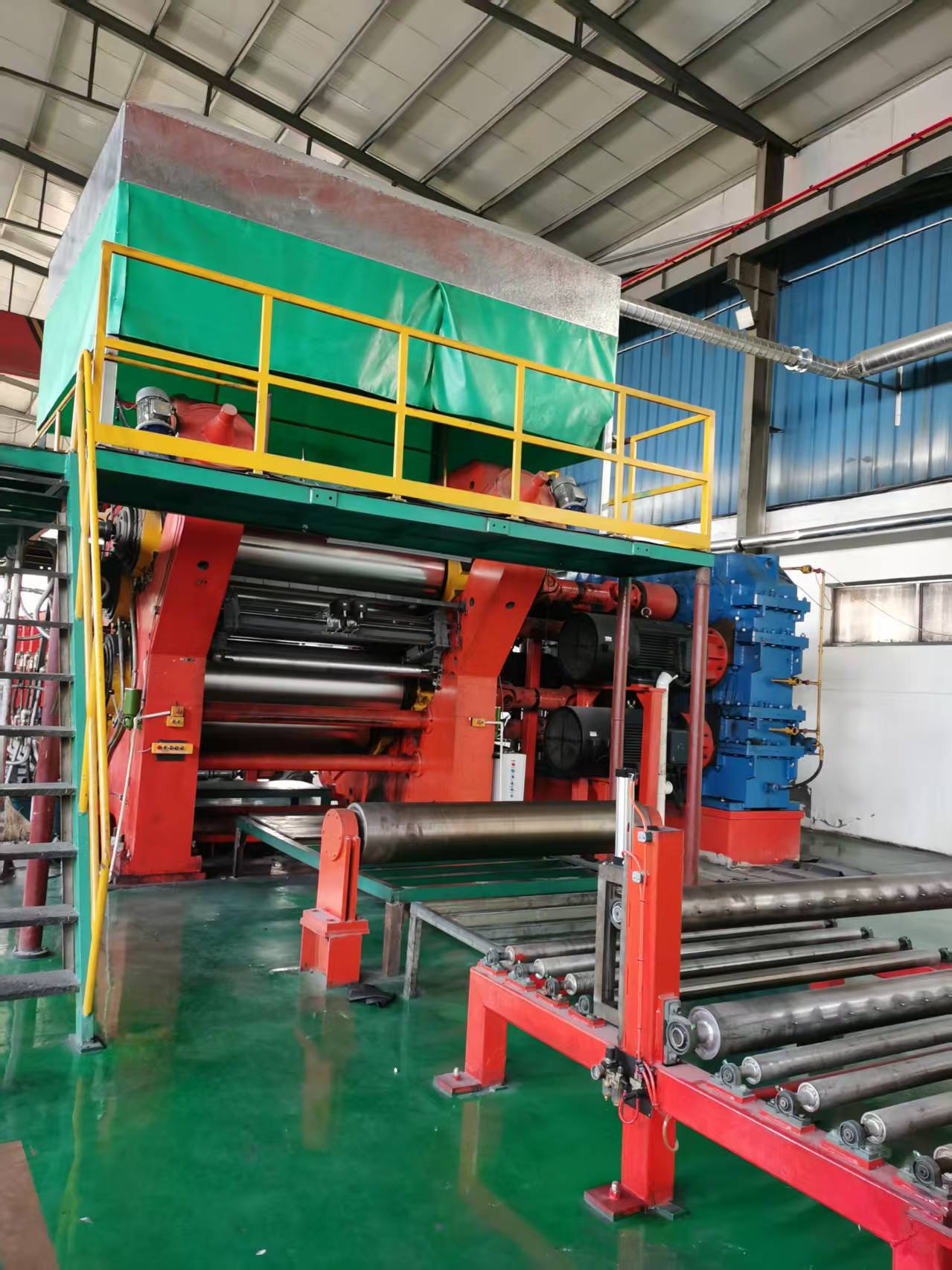
Calender Line
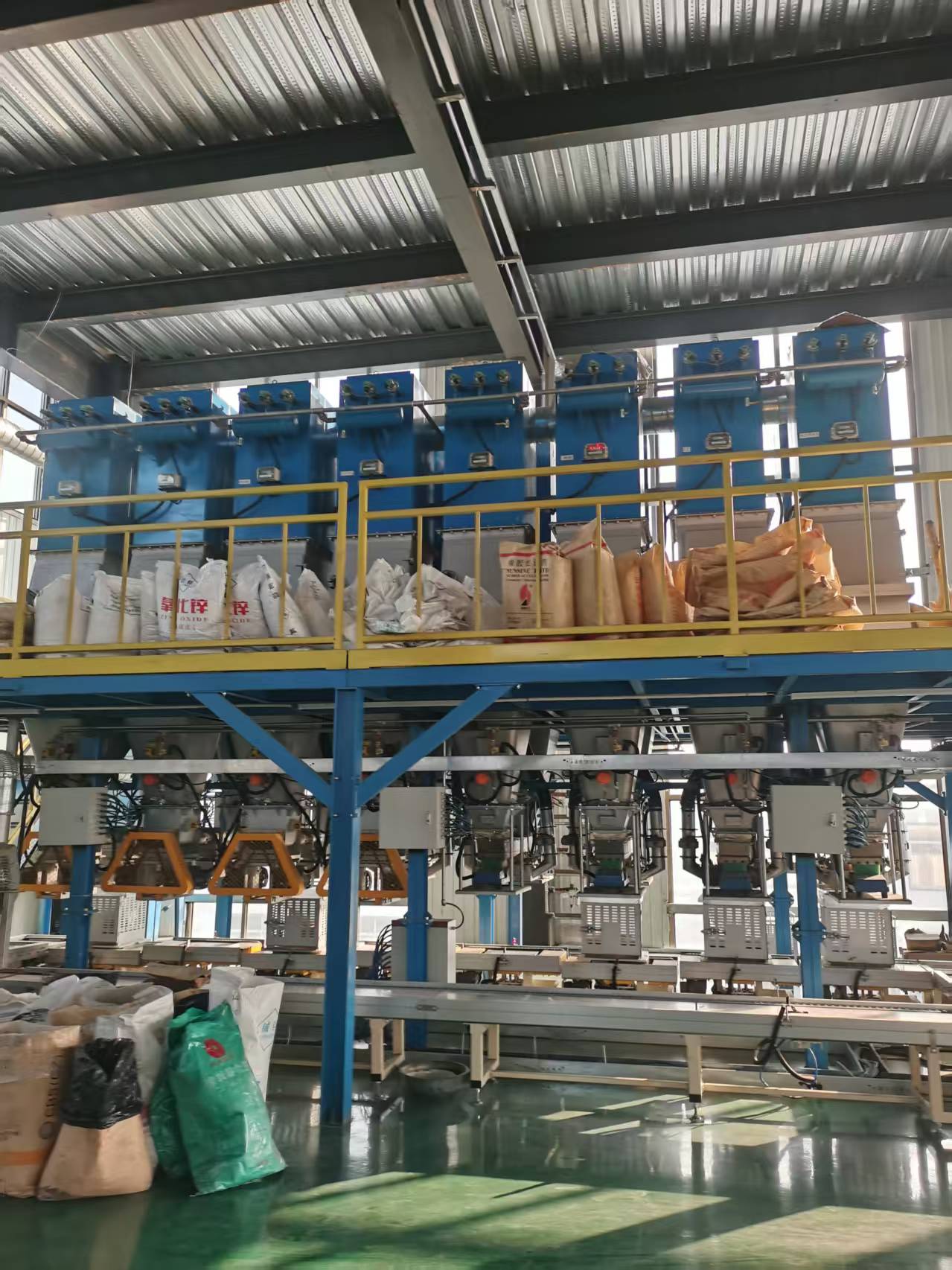
Testing Chamber
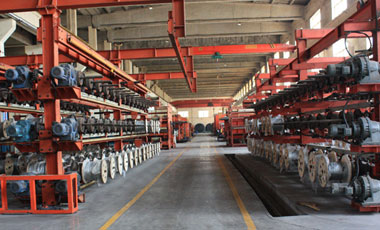
Steel Cord Line
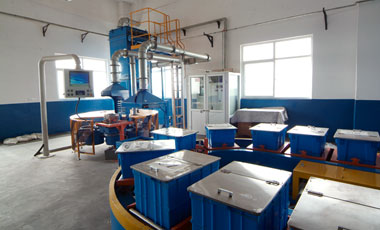
Proportioning Room
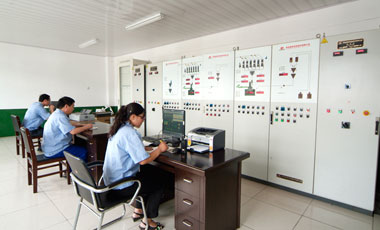
Proportioning System
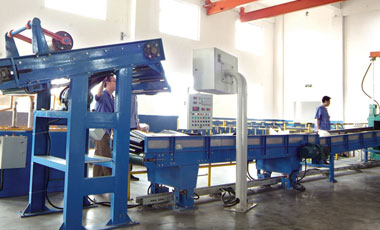
Feeding Device
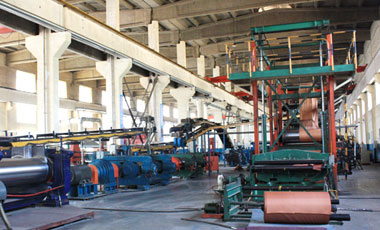
Calendering Machine
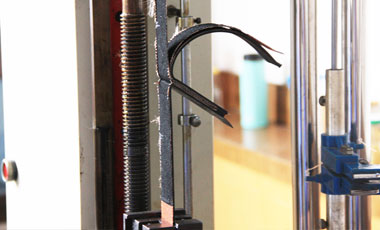
Peeling Test Lab
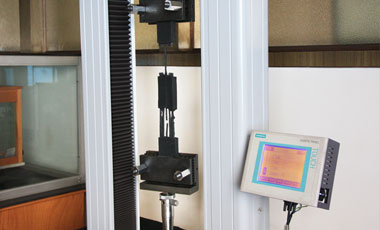
Pull-out Tester
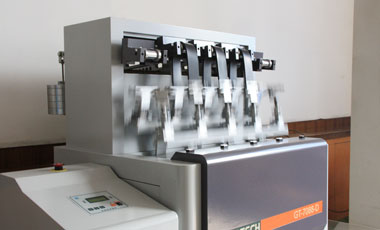
Fatigue Tester
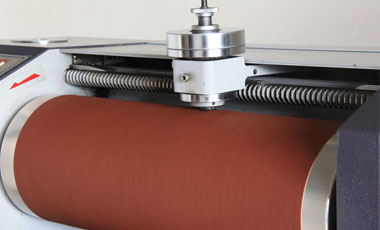
Abrasion Lab
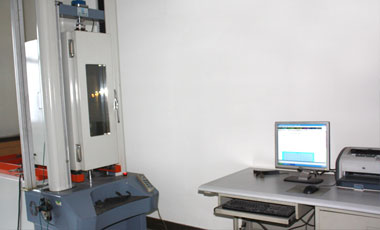
Properties Testing
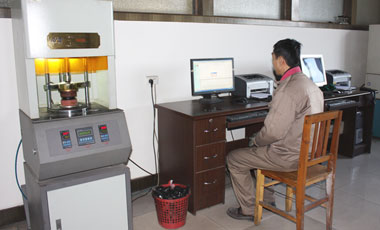
Final Testing
We work with international logistics providers, engineering firms, and OEMs, aligning our manufacturing outputs with global standards.
We build our belts to meet ISO, DIN, AS, and JIS specifications, which helps ensure hassle-free replacement and maintenance in existing production setups.
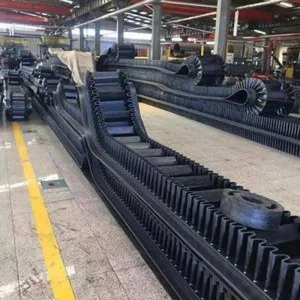
Our production options include flat belts, structured profiles, high-inclination sidewalls, and wavy edge systems designed to contain material flow at angles of incline up to 90 degrees.
We provide chemical compatibility profiles, tensile strength reports, and structural drawings for engineering integration and customs clearance.
We offer customized maintenance partnerships to help minimize operational downtime for our clients:
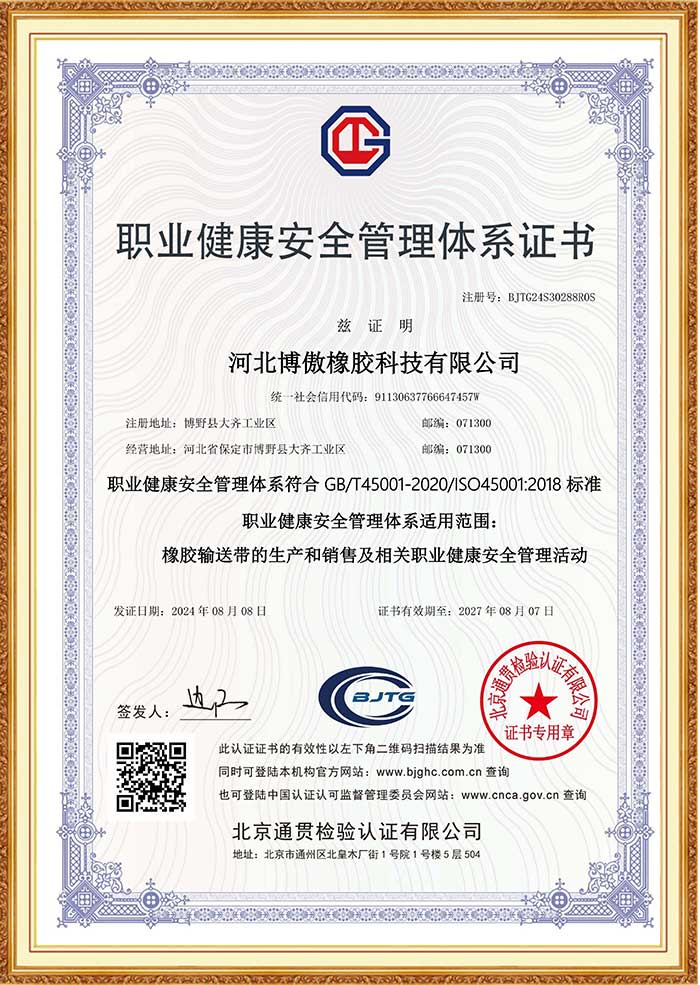
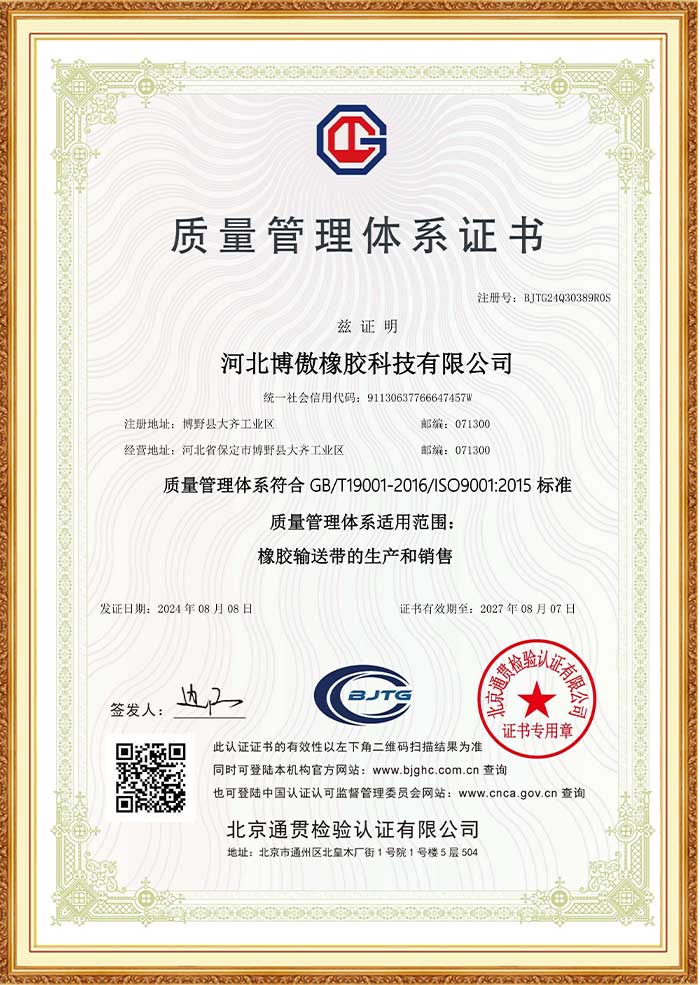
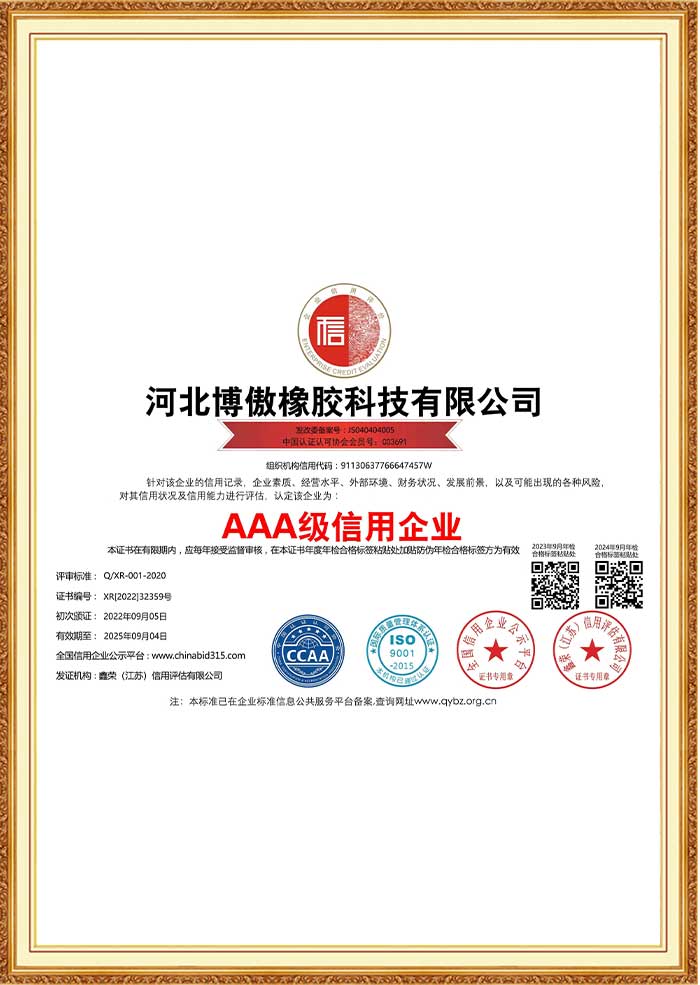
API 6D, API 607, CE, ISO9001, ISO14001, ISO18001, TS. If you need our certificates, please contact us.
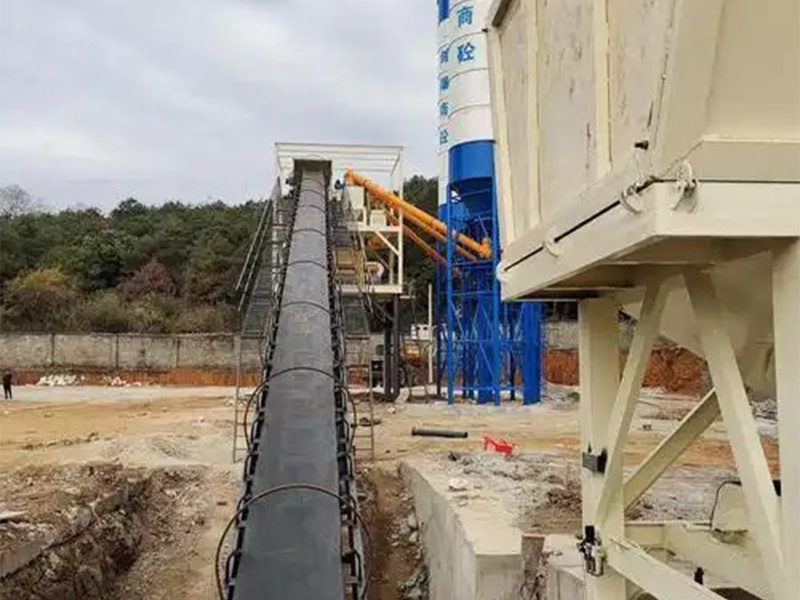
China Railway Mixing Plant
Conch Cement
Datong Coal Group
Tsingshan Group
Jidong Cement Group
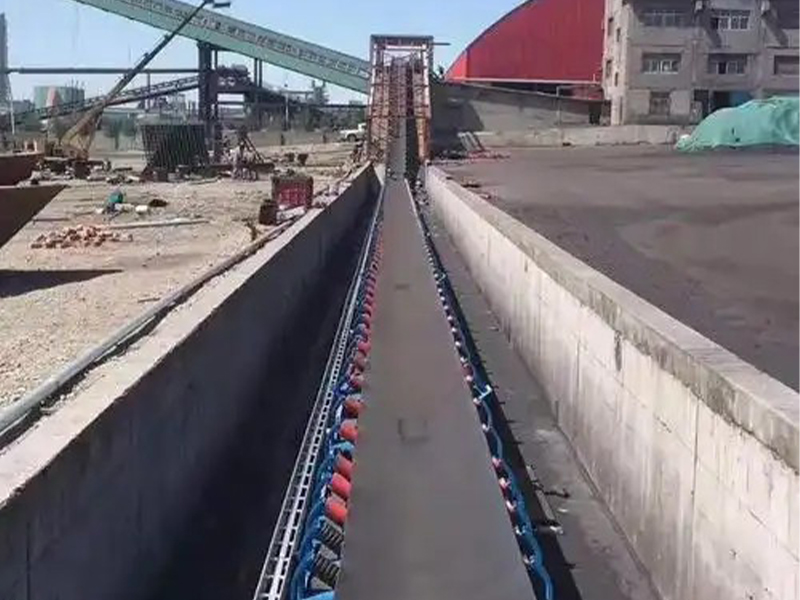
Jinmei Group Coal Conveying
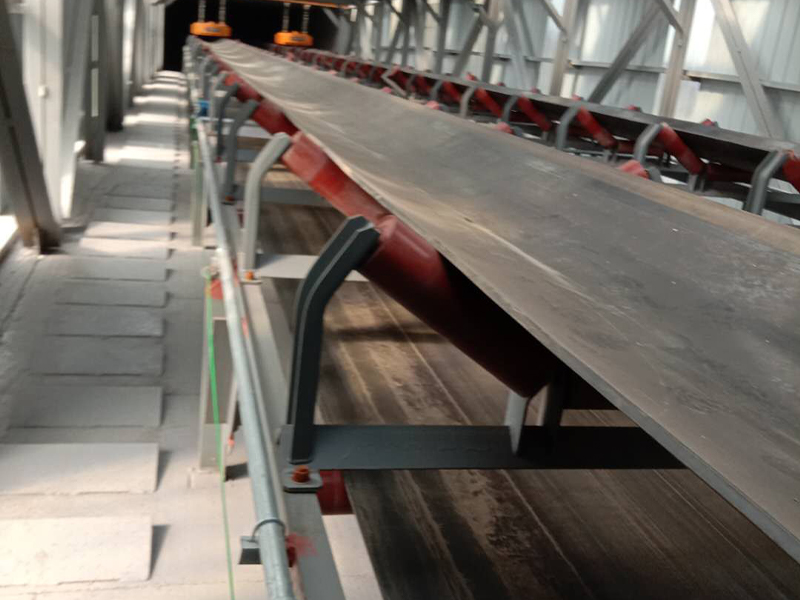
Taihang Steel
Get answers to common technical queries about material selection, installation parameters, and customization options.
PU (Polyurethane) belts offer high resistance to mechanical wear, cuts, and animal fats, making them popular for processing raw food products. PVC belts are cost-efficient, durable, and highly resistant to acids and bases, making them a common choice in package sorting, airports, and general manufacturing.
We mix carbon-based anti-static compounds directly into the polymer blend during compounding. This creates a uniform surface resistance between 106 to 109 ohms, helping to dissipate static electricity without relying on temporary chemical coatings.
Our TPU belts can wrap around pulleys as small as 15 mm, depending on the carcass fabric design. This flexibility allows them to integrate smoothly into compact transfer systems.
We operate an independent chemical and physical testing laboratory. Every batch of polymer base and fabric core is tested for tensile strength, elongation, and peel resistance before moving to full-scale production.
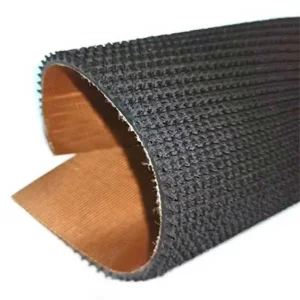
Yes. Using specialized calendering and mold forming, we manufacture custom profiles, including chevron patterns, ribbed surfaces, sidewalls, and wavy edges to meet specific incline requirements.
Our products comply with standard testing guidelines, including ISO, DIN 22102, AS1332, and JIS, allowing for direct integration into existing machinery worldwide.
Explore our extended range of heavy-duty, patterned, oil-resistant, and structural belt accessories designed to support efficient material handling operations.
 Boao Rubber