Explore our top engineered solutions designed for building materials, mining safety, and specialized heavy industrial handling.
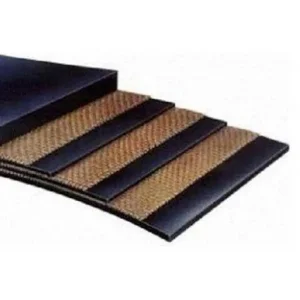
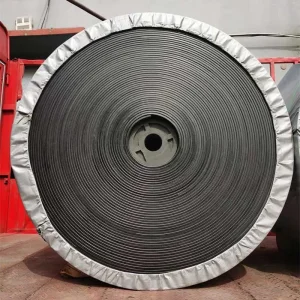
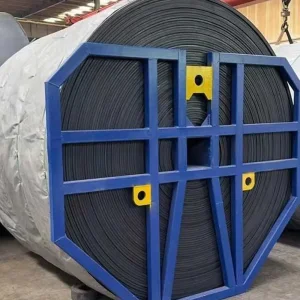
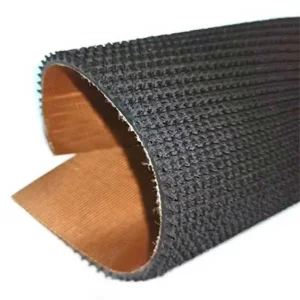
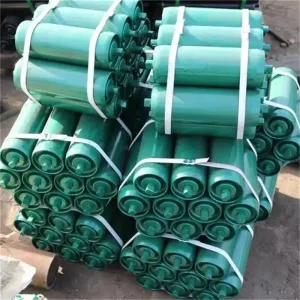
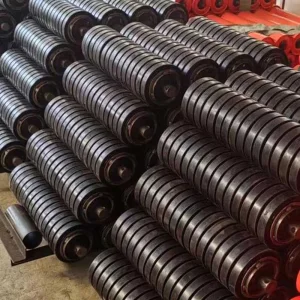
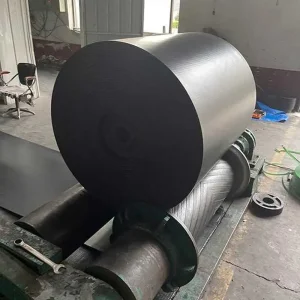
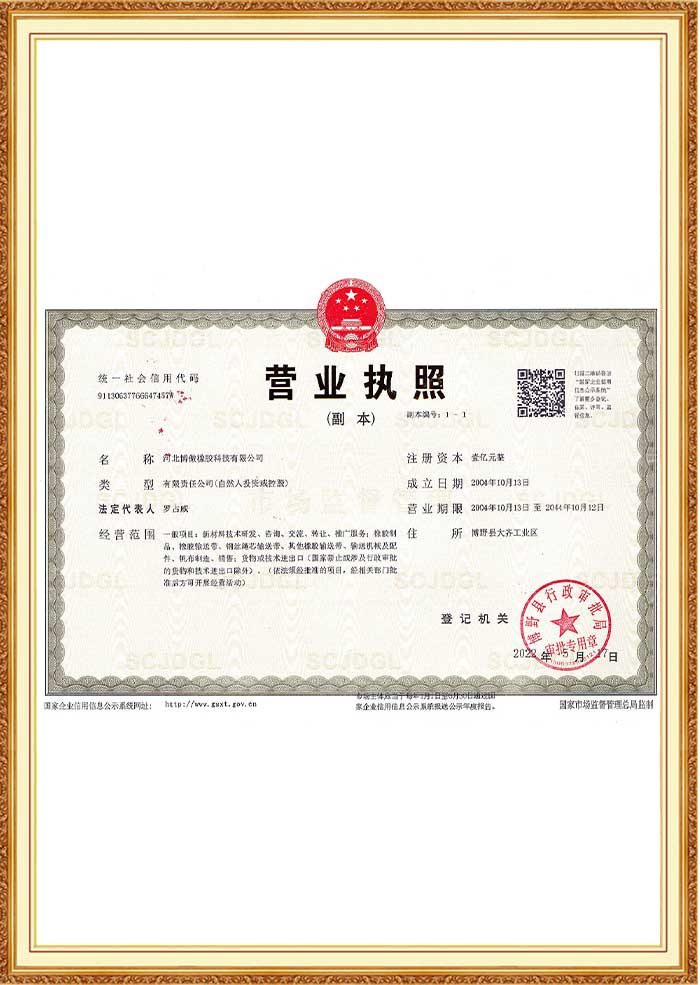
Located in the prestigious Rubber Industrial Park of Boye County, Baoding, Hebei Province, Hebei Boao Rubber Technology Co., Ltd. was established in 2004. Spanning over an extensive facility of 30 acres, we stand as a premier manufacturer in China integrating raw product research, material engineering, advanced configuration design, vulcanization processing, and specialized bulk material handling sales services.
Our proprietary brand "Jinao" represents our dedication to high-tier industrial conveyor line security and performance. Backed by automated processing equipment, multiple calendering lines, heavy-duty vulcanization machinery, and a state-of-the-art physics & chemistry laboratory testing center, we fulfill global bulk logistics needs from raw raw-rubber compounding up to final quality testing approvals.
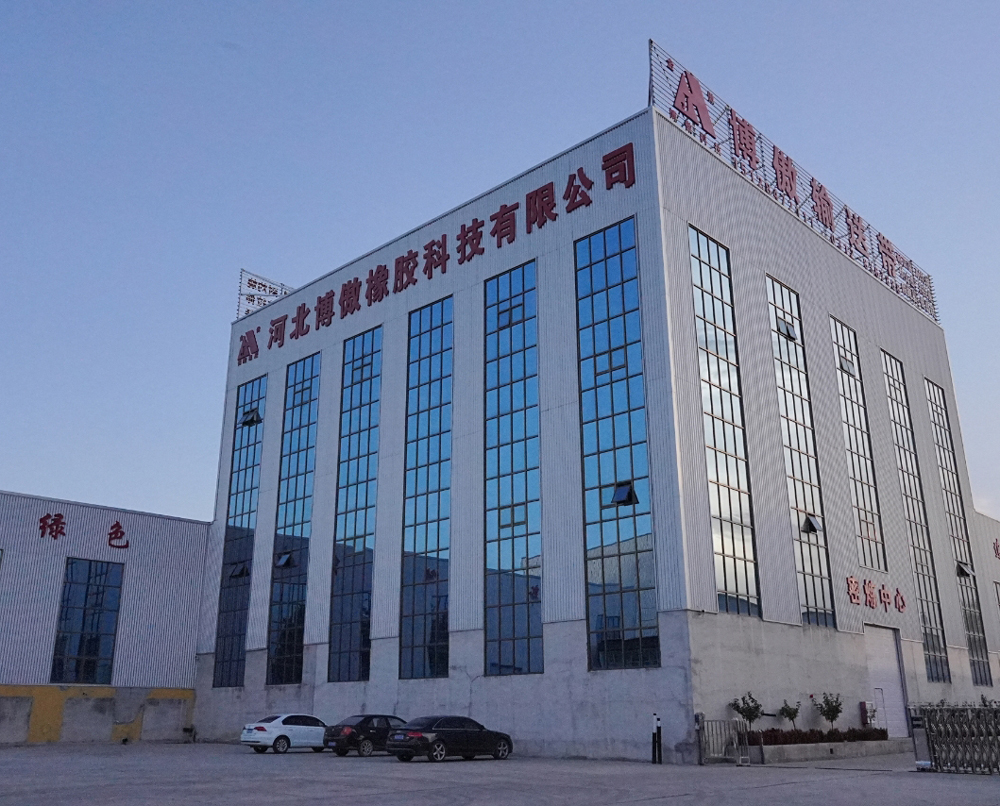
Our independent chemical analysis room and physics laboratory monitor every production stage. We enforce a zero-defect policy: unqualified raw materials never enter production, and non-compliant finished products never leave the facility.
Highly trained inspectors, advanced dynamic fatigue testing rigs, and precision abrasion testers operate 24/7. Continuous measurement of tensile strength and self-extinguishing behavior guarantees maximum regulatory compliance.
Backed by rich engineering expertise and comprehensive technical support, "Jinao" products serve heavy industries nationwide and globally, delivering reliable performance in steel, coal, power plants, cement, and ports.
A technical dive into fire-retardant chemistry, structural properties, and laboratory testing protocols for underground mining and hazardous environments.
In high-risk environments like underground coal mining, grain elevators, and power generation plants, a conveyor belt can act as a fuse, propagating fire over several miles. Flame-resistant conveyor belts are specifically engineered using flame-retardant polymers (like chloroprene CR, nitrile butadiene rubber NBR/PVC blends, and heavy-duty synthetic SBR compounds). These compounds release halogenated free radicals or build an insulating intumescent char layer when exposed to heat, cutting off oxygen and extinguishing fire within seconds of removing the ignition source.
Flame retardancy is classified under strict international guidelines to ensure safety in explosive and high-heat environments:
| Belt Grade / Code | Standard Reference | Typical Environment | Self-Extinguishing Limit (Sec) | Electrical Resistance |
|---|---|---|---|---|
| Class S (DIN 22102) | ISO 340 / EN 12882 | Above Ground (Grain, Cement) | ≤ 15 seconds (Individual) | ≤ 3.0 × 10⁸ Ω |
| Class K (DIN 22102) | ISO 340 / EN 12882 | Surface Coal & Power Plants | ≤ 15 seconds (Individual) | ≤ 3.0 × 10⁸ Ω |
| Underground Safety | MSHA Part 14 / AS 1332 | Underground Coal Mines | ≤ 5 seconds (Average) | ≤ 3.0 × 10⁸ Ω |
The next generation of "Jinao" flame-resistant conveyor belts focuses on sustainability and smart tracking. Traditional halogenated compounds are being phased out in favor of non-halogenated intumescent flame-retardant (IFR) coatings. These new compounds emit low smoke and eliminate toxic acid fumes, protecting workers and machinery. Additionally, we are integrating fiber-optic temperature sensors and RFID chips directly into the belt's fabric core to monitor heat, identify real-time hot spots, and trigger automatic system shutdowns before ignition can occur.
Custom-engineered conveyor systems optimized for high throughput, temperature extremes, and demanding industrial applications.
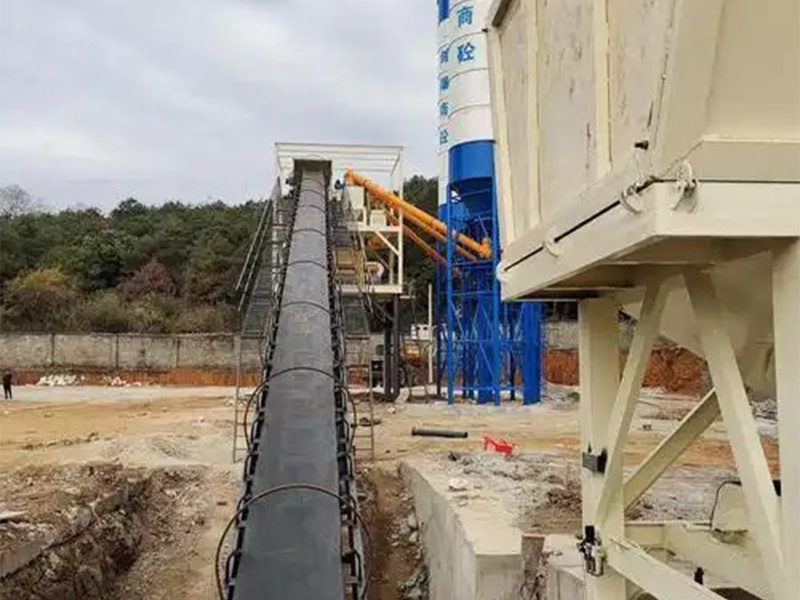
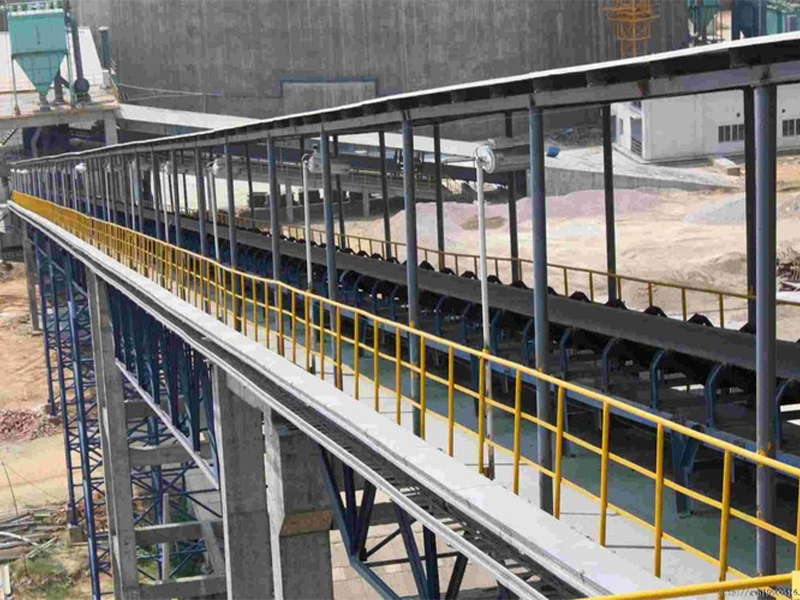
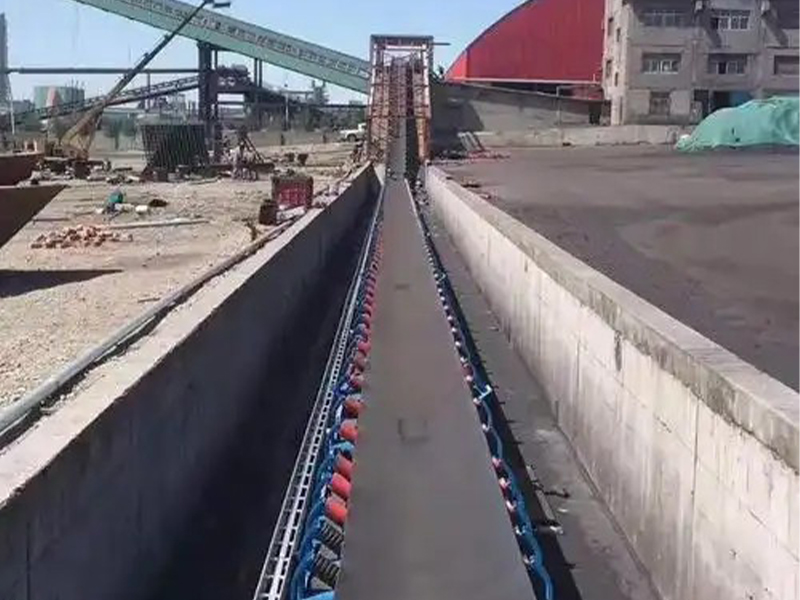
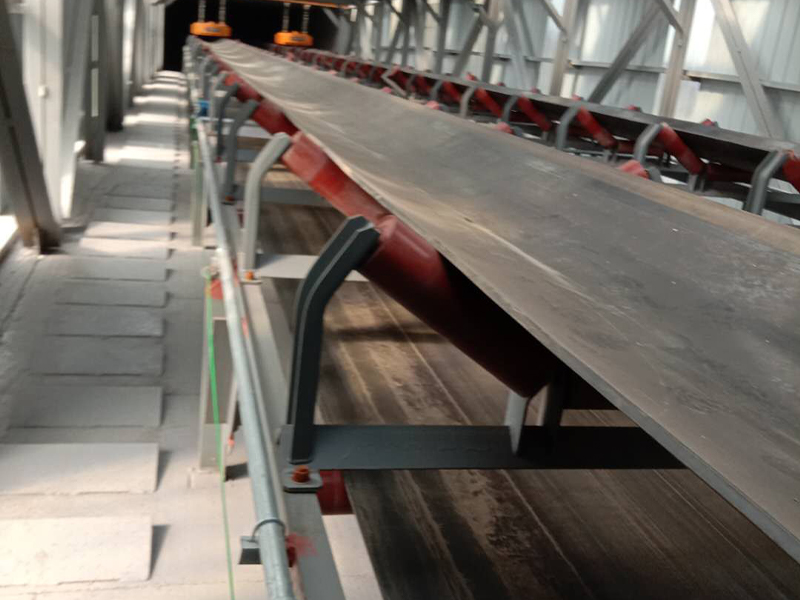
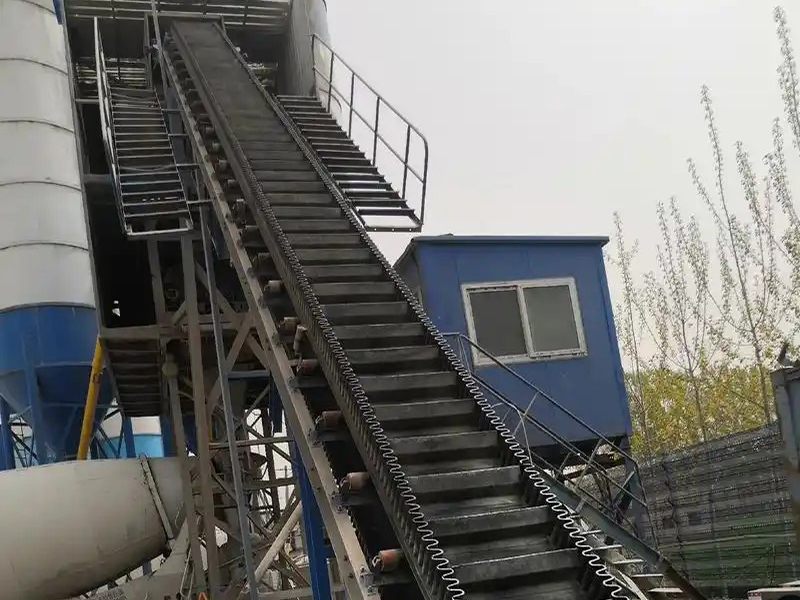
Conveying sinter, coke, and slag at extreme temperatures. Our heat-resistant and flame-retardant conveyor belts prevent thermal cracking and maintain line integrity up to 400°C.
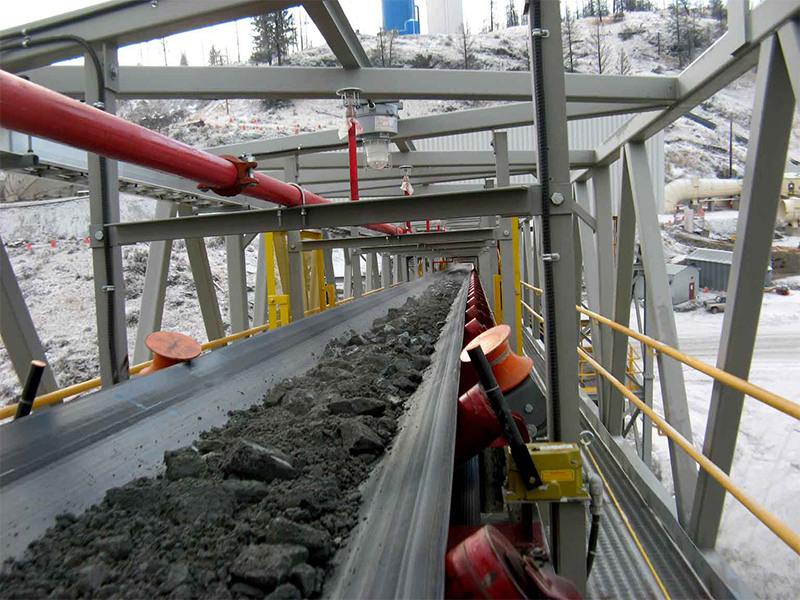
Strictly compliant with ISO 340 and MSHA standards, these belts prevent underground electrostatic discharge and ignition, featuring anti-tear steel wire rope reinforcement.
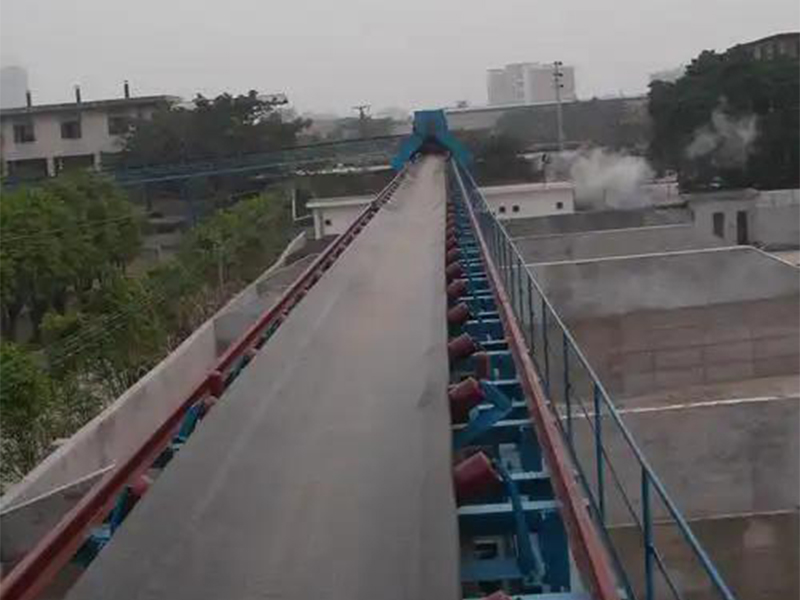
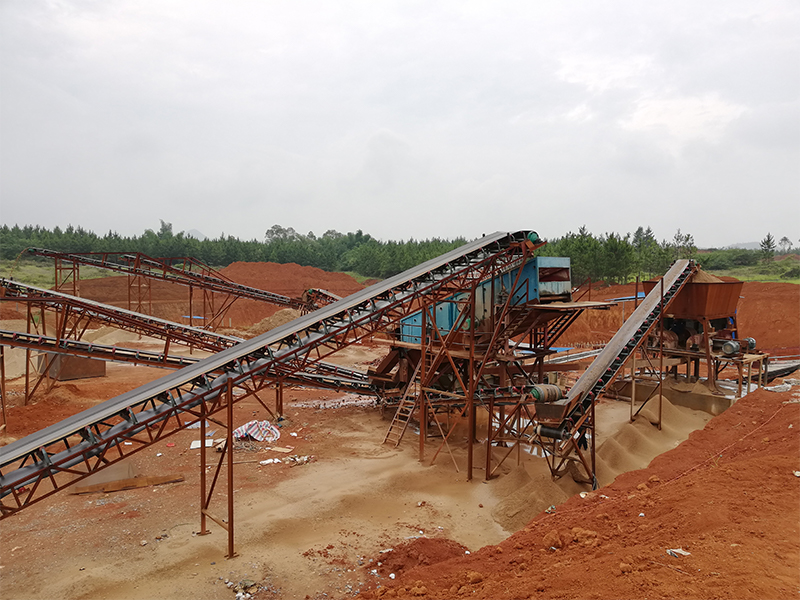
Designed to transport hot clinker, limestone, and gypsum. High abrasion resistance prevents belt wear, reduces dusting, and lowers total cost of ownership (TCO).
Reliable coal feeding lines that require strict flame-retardant properties and chemical resistance to handle moisture, dust, and continuous material flow.
Ensuring physical durability, flame-retardant properties, and overall safety through rigorous in-house testing.
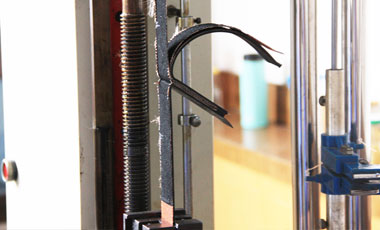
Measures adhesion strength between steel wires/fabric layers and the rubber matrix to prevent delamination.
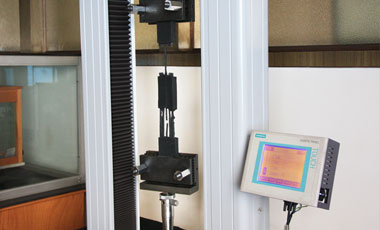
Verifies bond strength of brass-coated steel cords within vulcanized rubber under heavy loads.
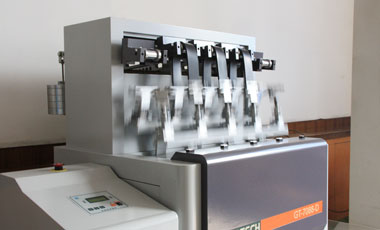
Simulates repetitive bending around pulleys to predict belt service life and identify premature degradation.
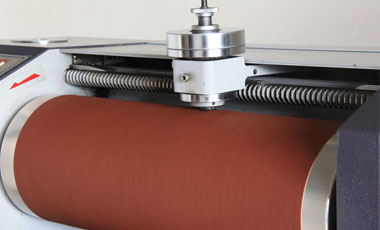
Measures material loss (mm³) when subjected to abrasive friction, ensuring long-term durability against rocks and slag.
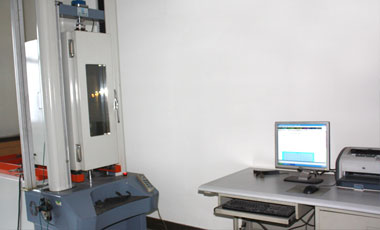
Verifies tensile strength, elongation at break, and hardness of raw and vulcanized compounds.
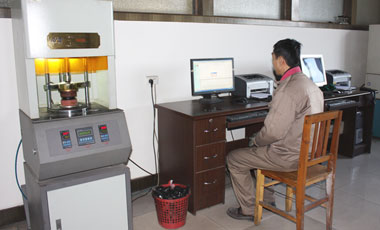
A clean, automated facility for testing density, viscosity, and chemical resistance properties.
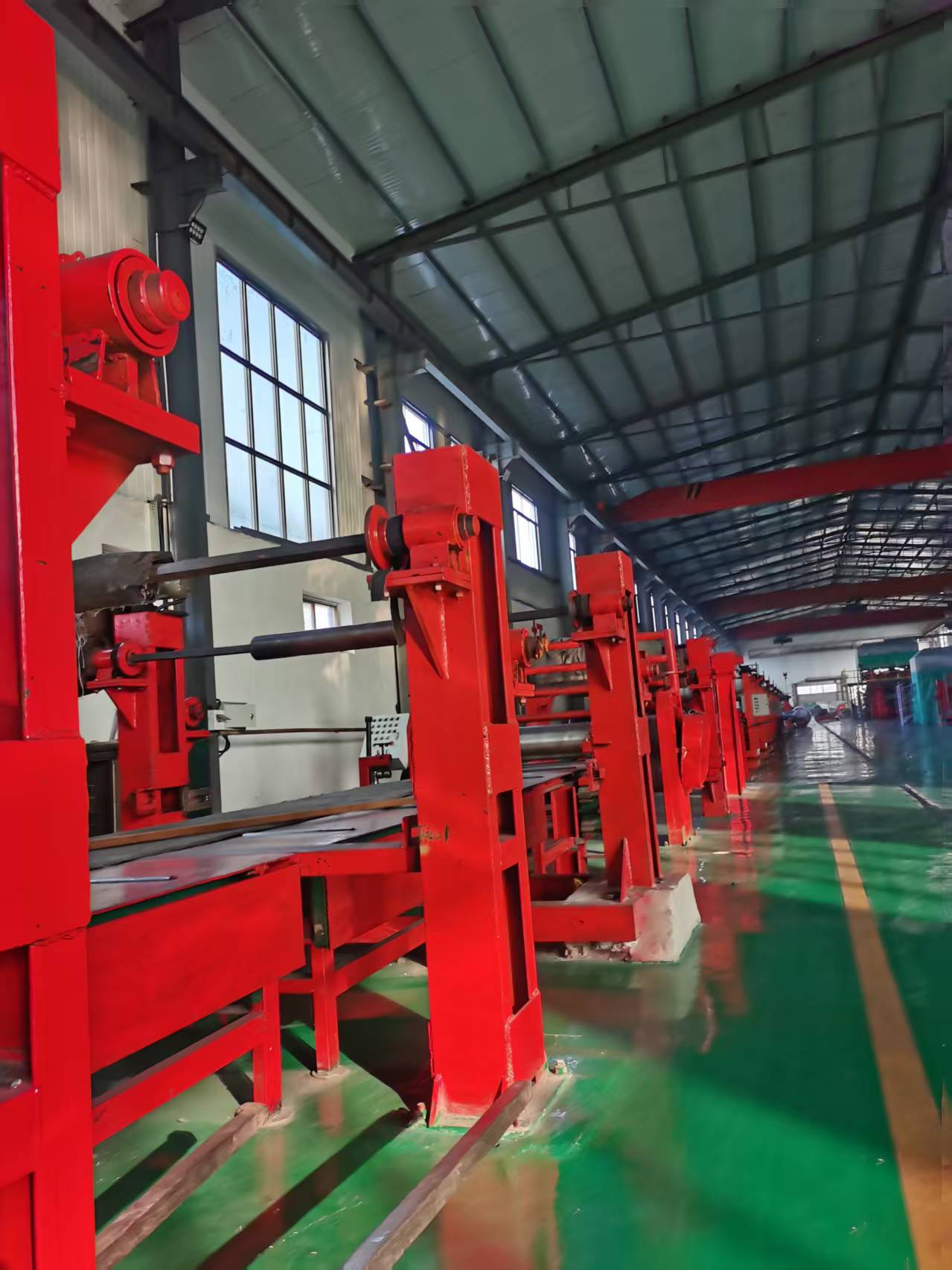
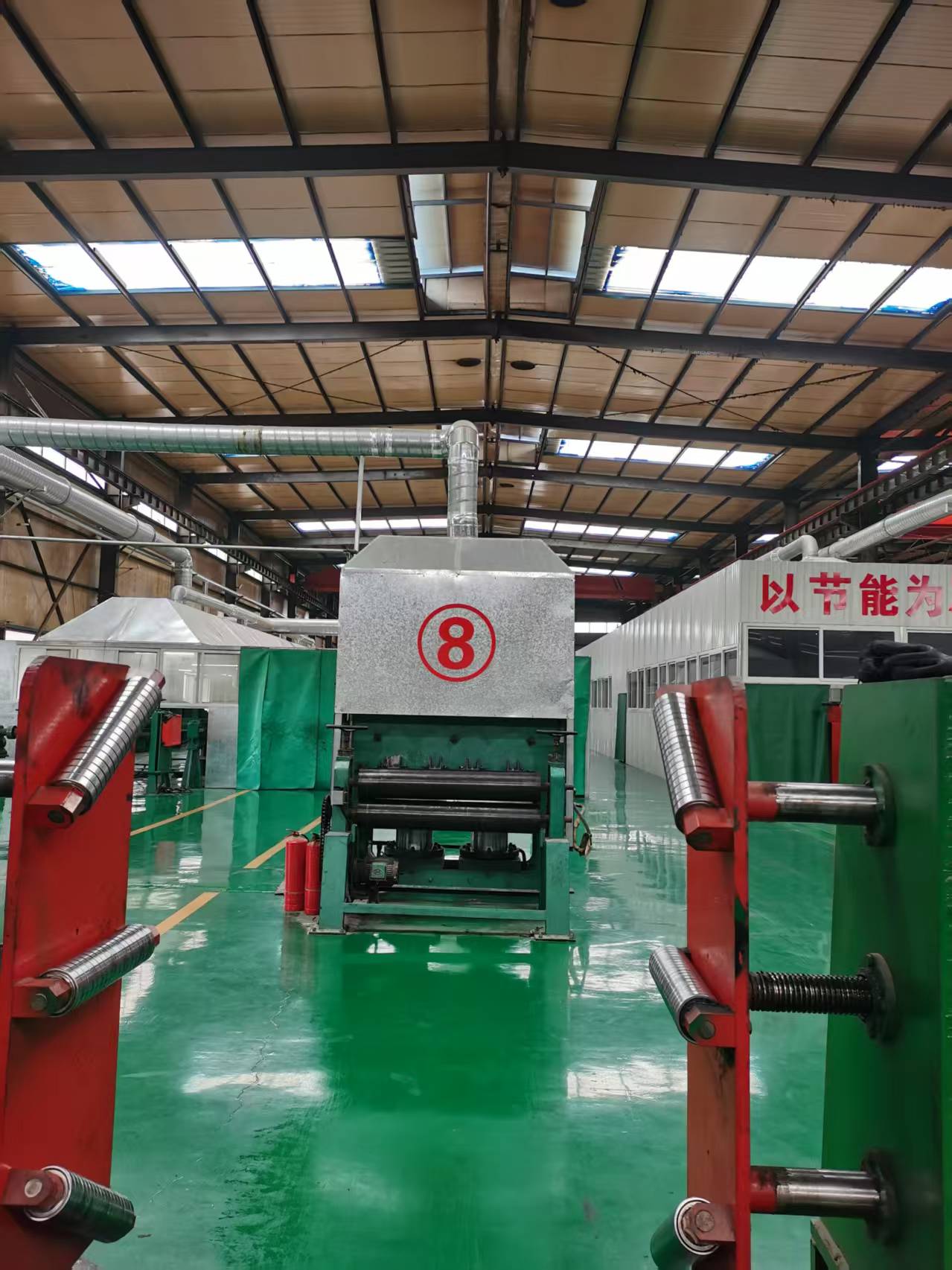
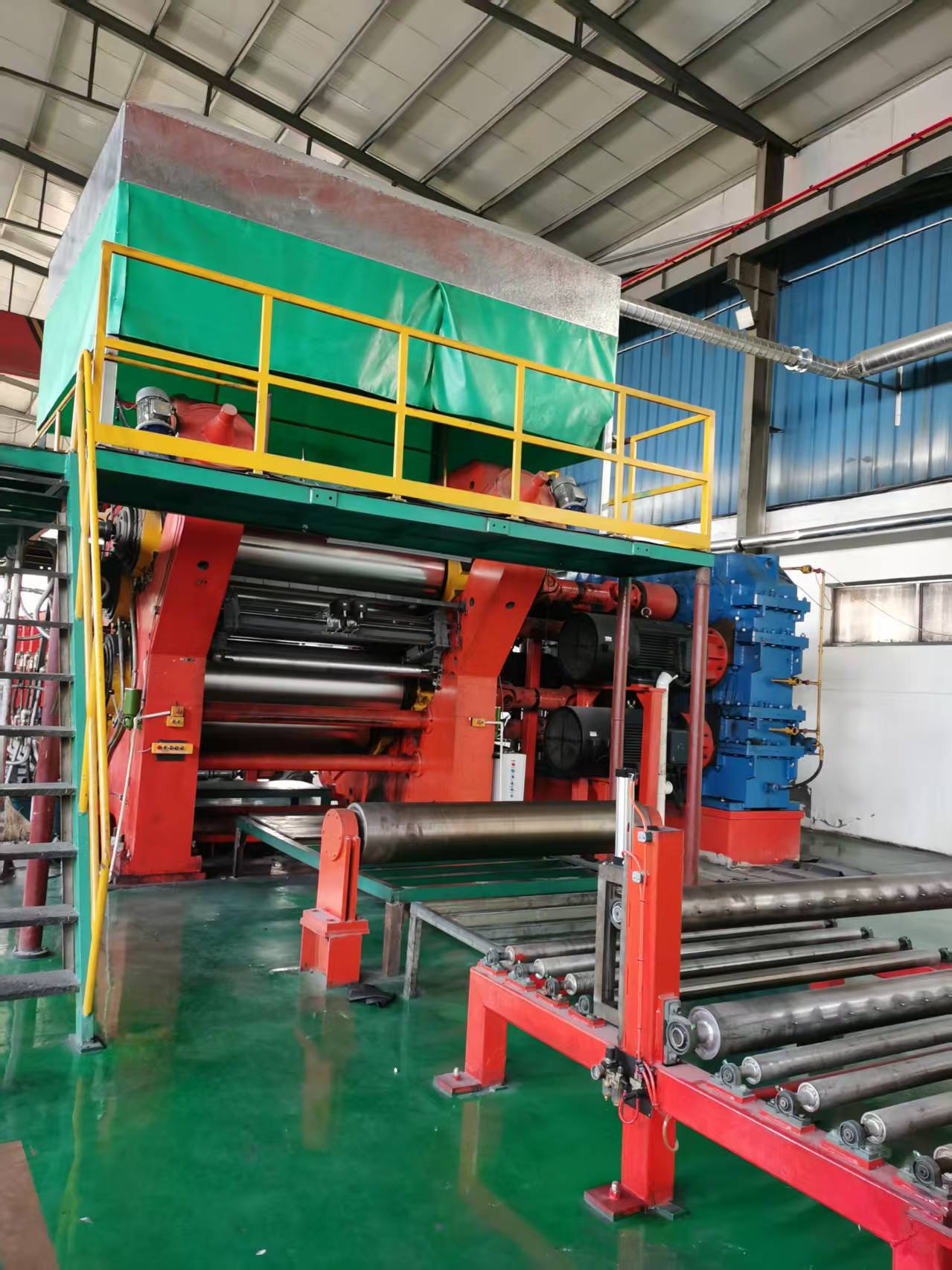
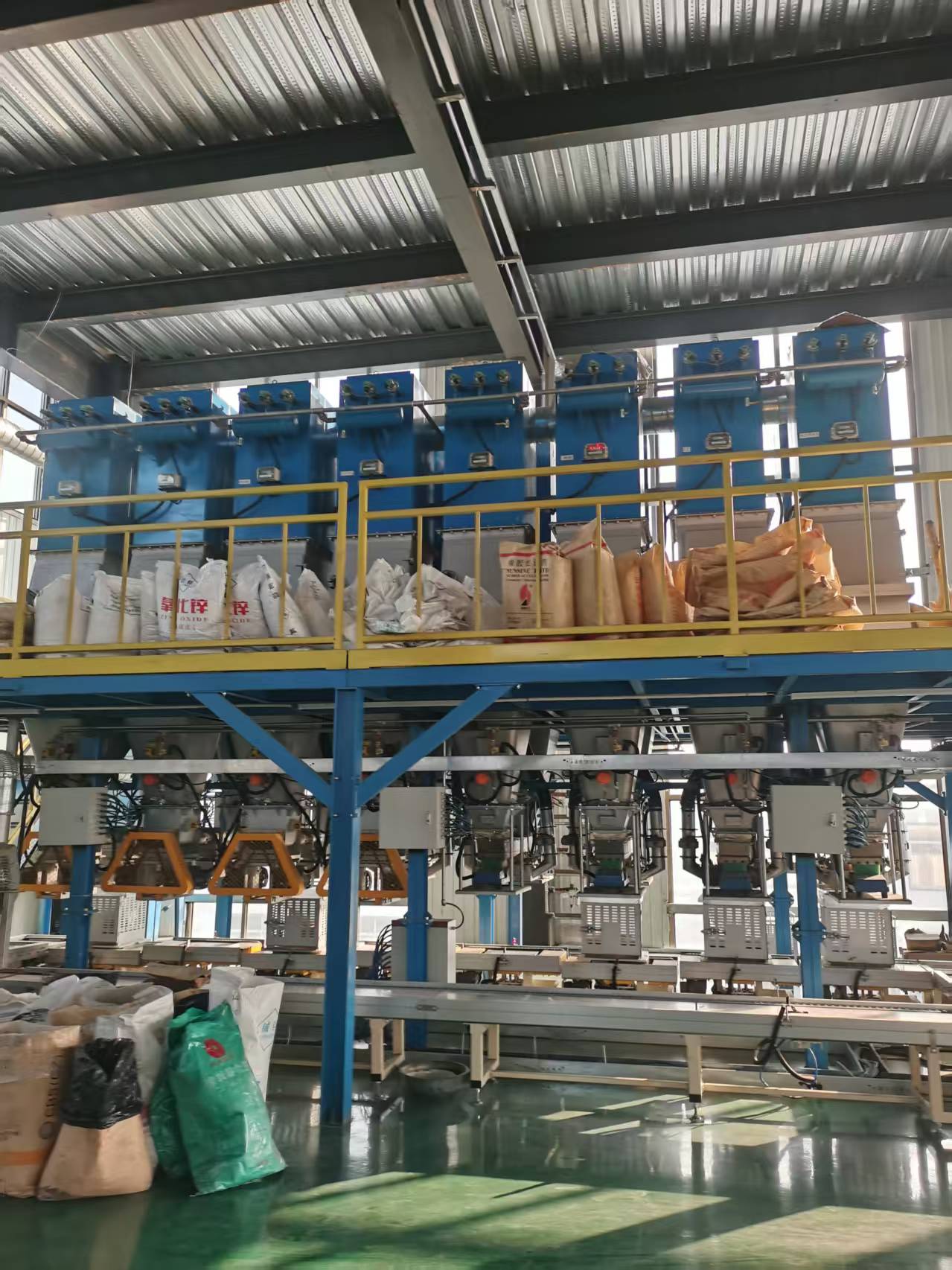
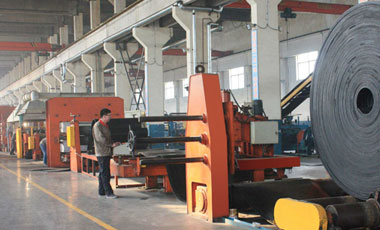
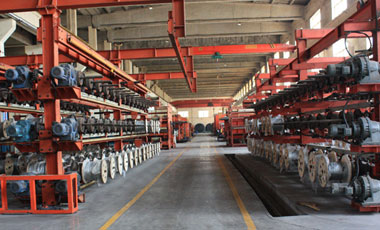
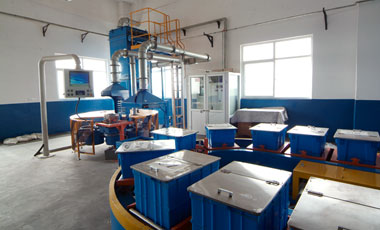
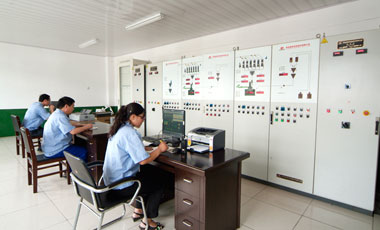
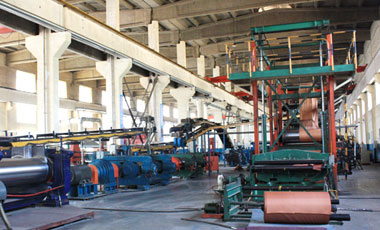
In an era of fluctuating raw material costs and volatile shipping markets, global procurement teams prioritize supply chain resilience above all else. At Hebei Boao Rubber Technology, we operate a fully integrated digital factory system. Our smart dosing, multi-calendering, and continuous vulcanization processes minimize human error, reduce rubber waste, and lower processing costs.
By sourcing raw polymers directly and manufacturing our own steel cord and fabric reinforcements in-house, we are protected from supply chain disruptions. This structural advantage allows us to maintain stable lead times and offer competitive pricing even during raw material shortages. Our large warehousing facility enables us to hold emergency backup stock for our long-term global partners, ensuring uninterrupted bulk handling operations.
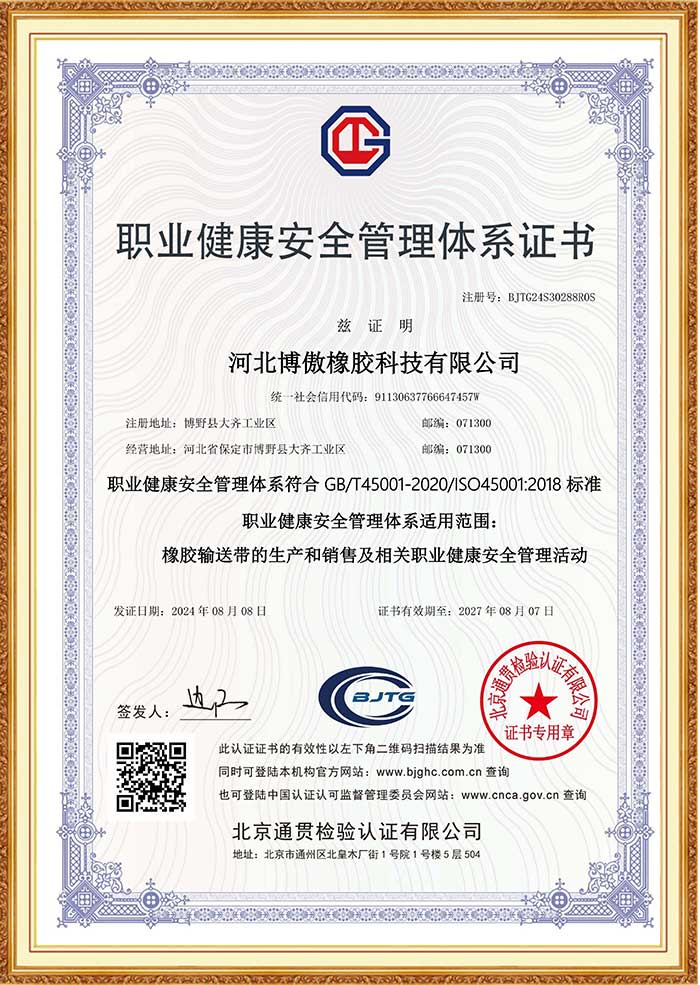
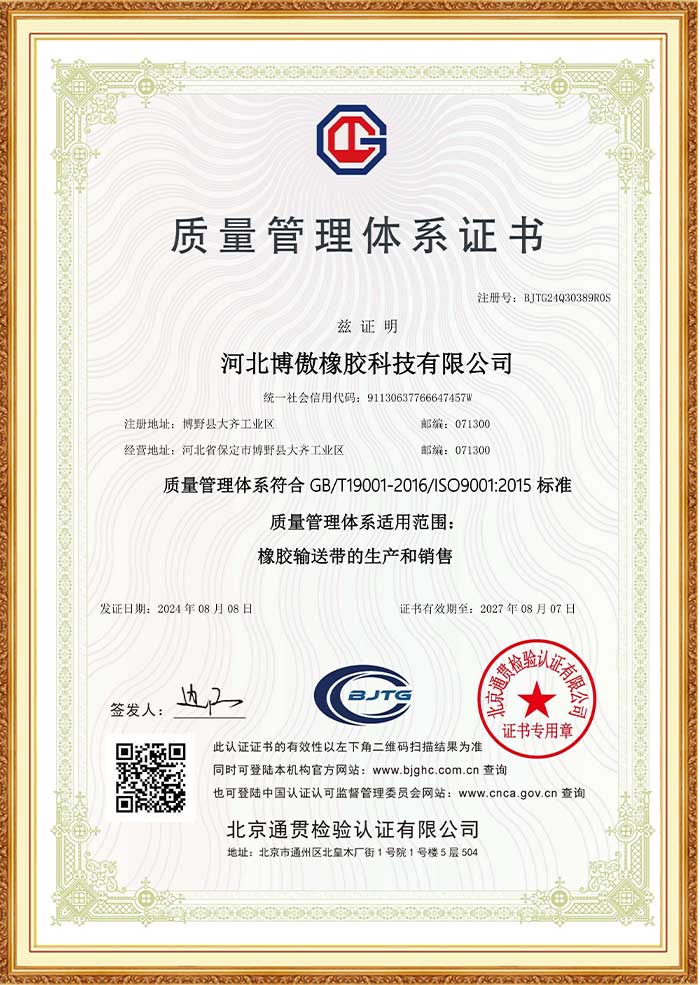
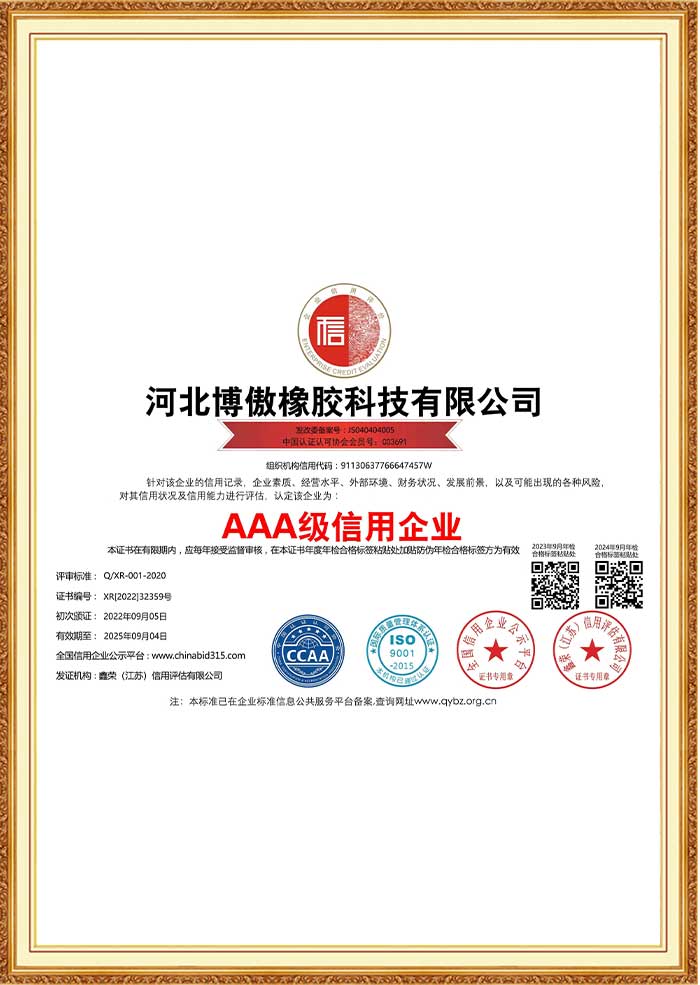
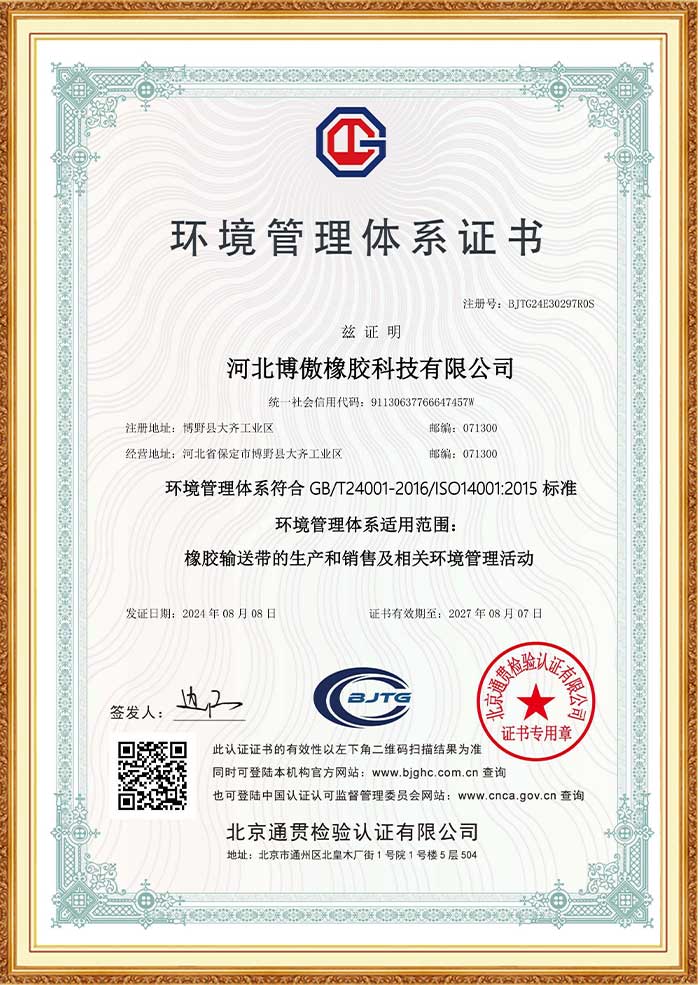
Our products are engineered to comply with regional safety standards and undergo rigorous third-party auditing.
We maintain certified Quality Management Systems (ISO 9001), Environmental Management Systems (ISO 14001), and Occupational Health and Safety Management Systems (ISO 45001/18001).
Our flame-retardant belting meets global safety requirements, including EN 12882, ISO 340, DIN 22102, MSHA Part 14, and national coal mining safety standards.
We collaborate with local engineering partners worldwide to provide field support, including installation assistance, hot vulcanized splicing, and maintenance services.
A strategic approach to raw material quality, vulcanization precision, and lifecycle cost management for industrial belting.
For procurement directors managing high-capacity bulk terminals or large mining complexes, selecting the right supplier is more than comparing price per meter. Total Cost of Ownership (TCO) includes the purchase price, installation costs, structural downtime, and lifecycle wear. Here is how we help optimize your investment:
We source premium natural rubber and high-grade synthetic elastomers. High-strength polyester (EP) or polyamide (NN) fabrics, combined with high-tensile steel cords, provide low elongation and excellent troughability, reducing energy consumption and pulley wear.
Our cover rubbers are engineered for excellent tear, impact, and heat resistance, maintaining elasticity under demanding conditions. Selecting the appropriate grade reduces maintenance costs and extends the operational life of your conveyor system.
Conveyor belts often fail at the splice. We supply matching vulcanizing materials (tie gum, cover compound, and hot splicing cements) designed specifically for our belts to ensure joint strength and minimize downtime.
Common questions regarding industrial safety standards, manufacturing capabilities, and flame-retardant belt maintenance.
DIN 22102 Class S conveyor belts are designed for underground application where static build-up and fire hazard risk is extreme; thus it demands electrical conductivity (anti-static behavior) and flame-resistant tests with cover removed. Class K belts are flame retardant only on the cover rubber, primarily suited for above-ground applications like surface mining, power stations, and grain silos where anti-static features may not be the primary safety priority.
When exposed to an open flame, the specialized flame retardant chemicals embedded in the cover compound activate. They release halogen radicals or form a non-combustible char layer that cuts off oxygen supply. This self-extinguishing behavior stops the fire from spreading along the conveyor line, and the belt will extinguish itself within 5 to 15 seconds after the heat source is removed.
Yes, we customize our conveyor belts to combine heat resistance and flame retardancy. This hybrid cover rubber resists cracking, hardening, and degradation from materials up to 200°C (with peaks up to 400°C) while maintaining flame-retardant safety standards, making them ideal for sinter lines and cement factories.
Every batch of flame-resistant conveyor belts undergoes strict testing in our in-house laboratory. This includes ISO 340 laboratory flame tests (self-extinguishing time under draft conditions), electrical surface resistance tests, peeling tests for layer adhesion, DIN abrasion testing, and tensile strength and elongation tests using our advanced testing equipment.
We recommend using hot vulcanized splicing with the original splicing materials (unvulcanized cover rubber, tie gum, and vulcanizing solution) provided by our factory. This ensures the joint has the same flame retardancy and tensile strength as the belt itself, preventing premature failure at the splice point.
Explore our range of heavy-duty, wear-resistant, and high-capacity belting solutions.
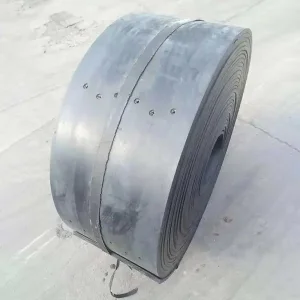
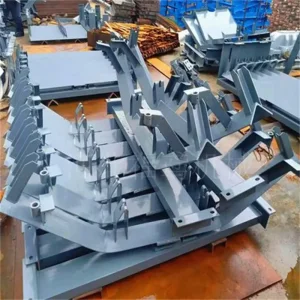
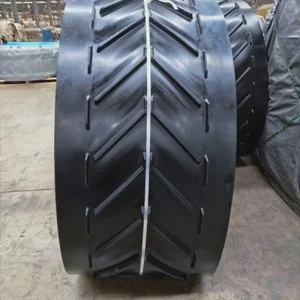
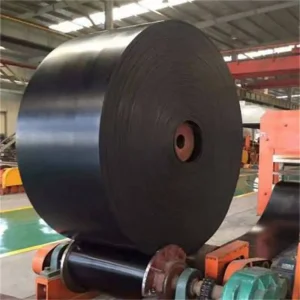
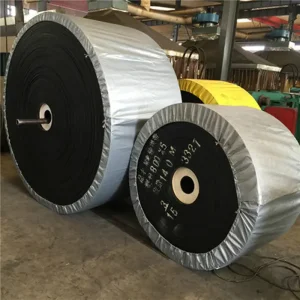
Skip the hassle of sourcing from multiple suppliers – our factory provides your ideal packaging, engineering, and conveyor line solutions all in one place. We are committed to providing you with the highest quality products and excellent services. If you have any questions or need assistance with our products, please feel free to contact us and we will be happy to serve you.
Hebei Boao Rubber Technology Co., Ltd. stands ready to supply standard and custom dimensions for EP, NN, steel cord, and flame retardant rubber conveyor belts.
 Boao Rubber