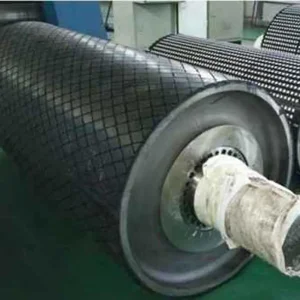
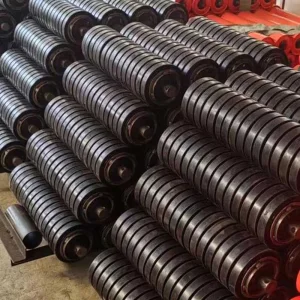
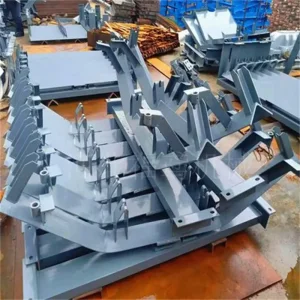
Explore the initial segment of our severe-duty material handling catalog, precision-manufactured at our Boye industrial park factory complex.
A technical overview of rubber glass transition temperature, vulcanization parameters, and anti-slip physics under ice-laden, dynamic loading environments.
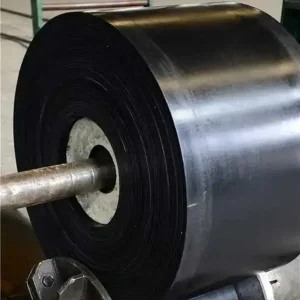
Standard rubber conveyor covers rapidly lose elasticity when temperature levels dip beneath -15°C, resulting in microscopic cracks, tensile degradation, and total mechanical failure. At Hebei Boao Rubber Technology, our "Jinao" technical team modifies the elastomer matrix using premium polybutadiene rubber (BR) and natural rubber (NR) polymers.
This compound controls the glass transition temperature ($T_g$) of the cover rubber, shifting the crystallization threshold to below -50°C. Incorporating dynamic plasticizers preserves elastic memory, preventing structural stiffening under constant tension over rollers.
This molecular configuration keeps the belt flexible, reducing energy draw during cold starts and safeguarding the pulley-facing base from cracking under tight transitions.
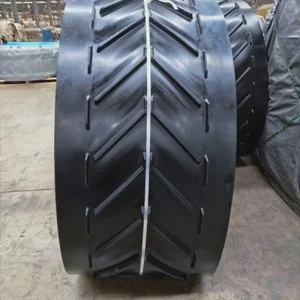
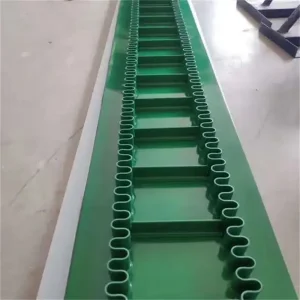
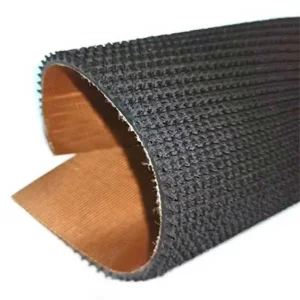
Sub-zero conditions present major slip hazards from surface frost, ice sheets, and slurry moisture. Our engineering response pairs customized rubber compounds with high-traction surface geometries. Our pattern configurations are vulcanized straight into the belt matrix to prevent delamination under mechanical loads:
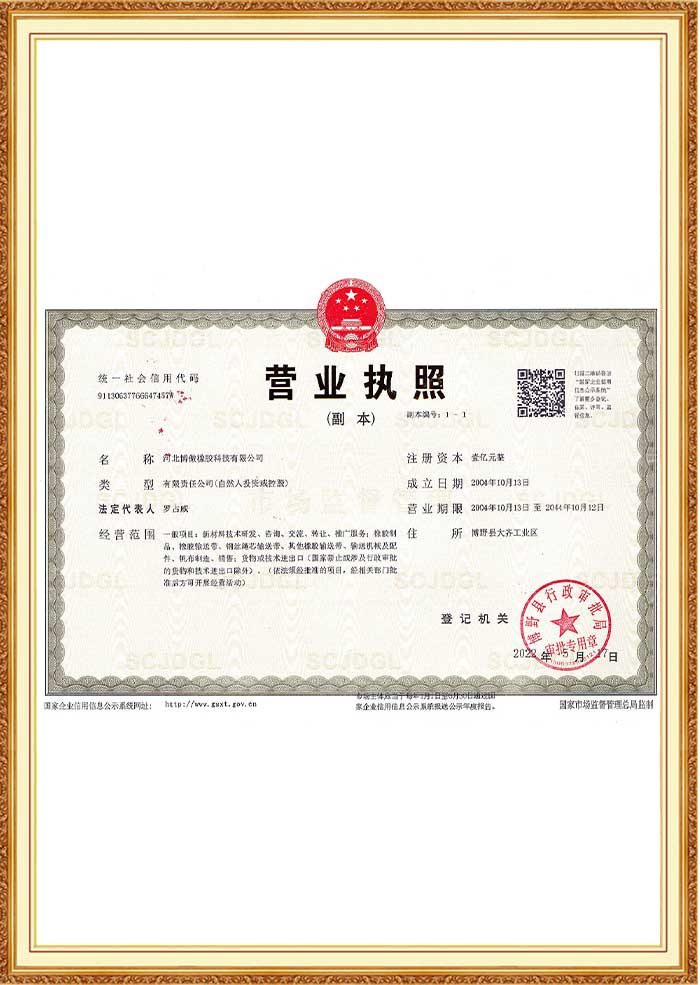
Established in 2004, Hebei Boao Rubber Technology Co., Ltd. is positioned in the heart of the boye county rubber industrial park, Baoding City, Hebei Province. Over 30 acres of advanced production facilities power our specialized operations.
Operating under our signature "Jinao" trademark, we manage an integrated, full-cycle facility handling everything from product formulation, polymer compounding, custom profile design, and advanced vulcanization to final product testing.
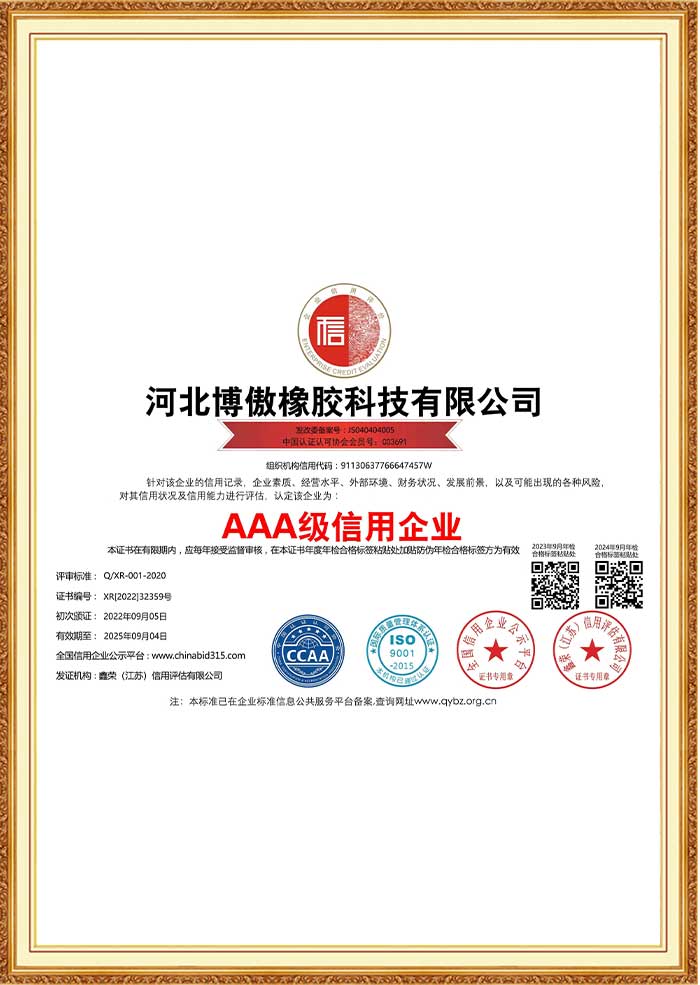
We work to align our systems with international quality standards. The company maintains certification across major international quality management systems, giving our partners consistent reliability from first contact to ultimate installation.
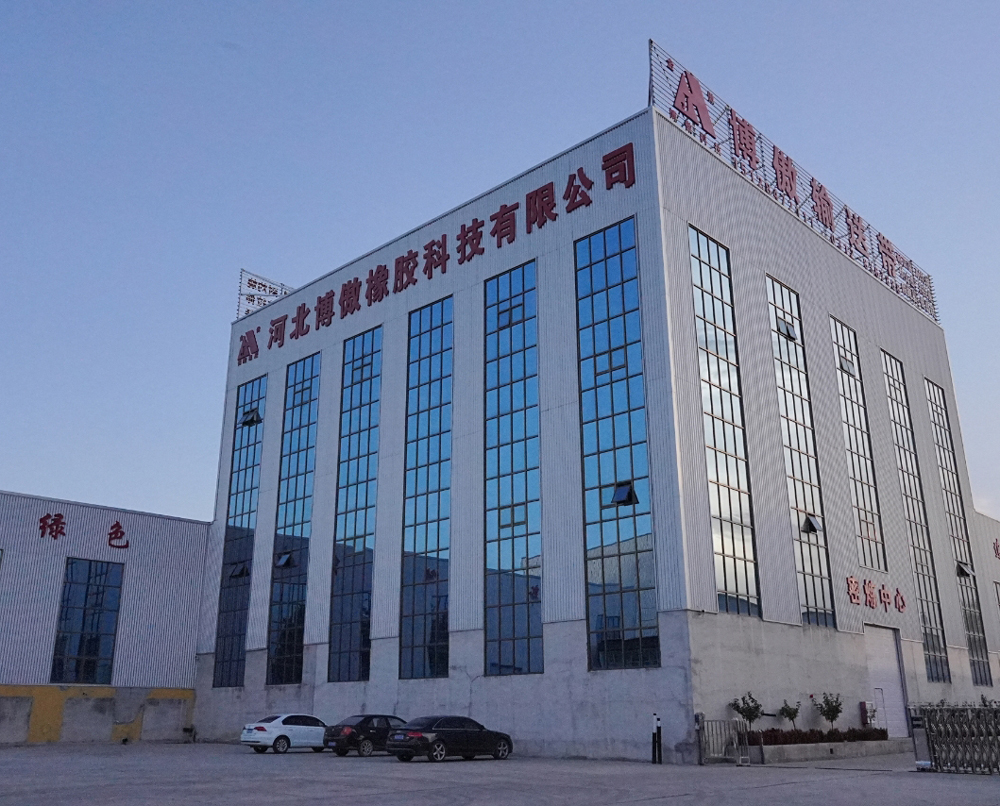
Integrating advanced calendering machinery, electronic compounding systems, and strict testing protocols to deliver high-performance conveyor systems.
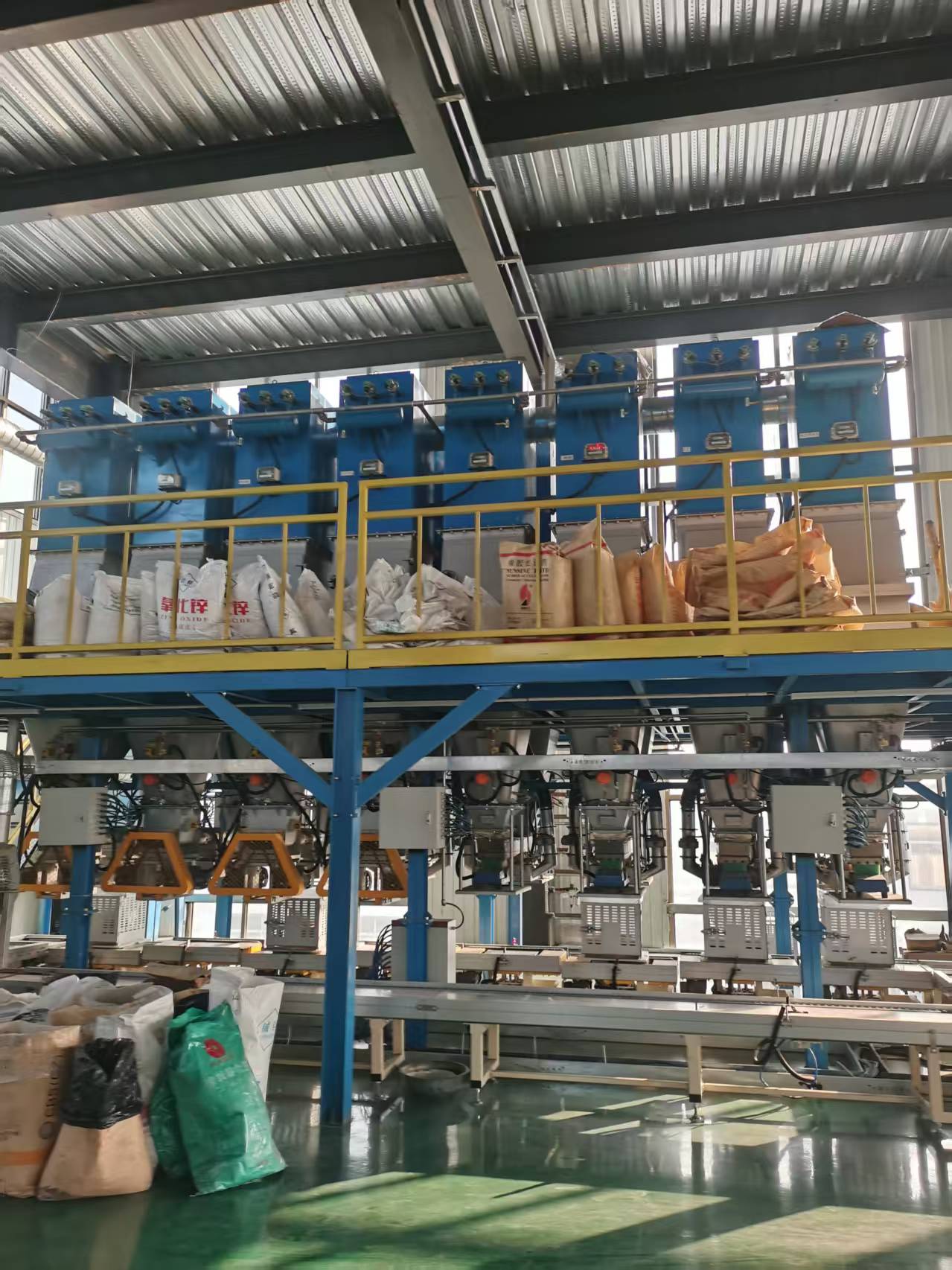
Our material mixing facility uses computerized weighing and feeding systems to guarantee precise rubber blends. This automation limits batch-to-batch inconsistencies, ensuring cover compound uniformity and cold-temperature endurance across every run.
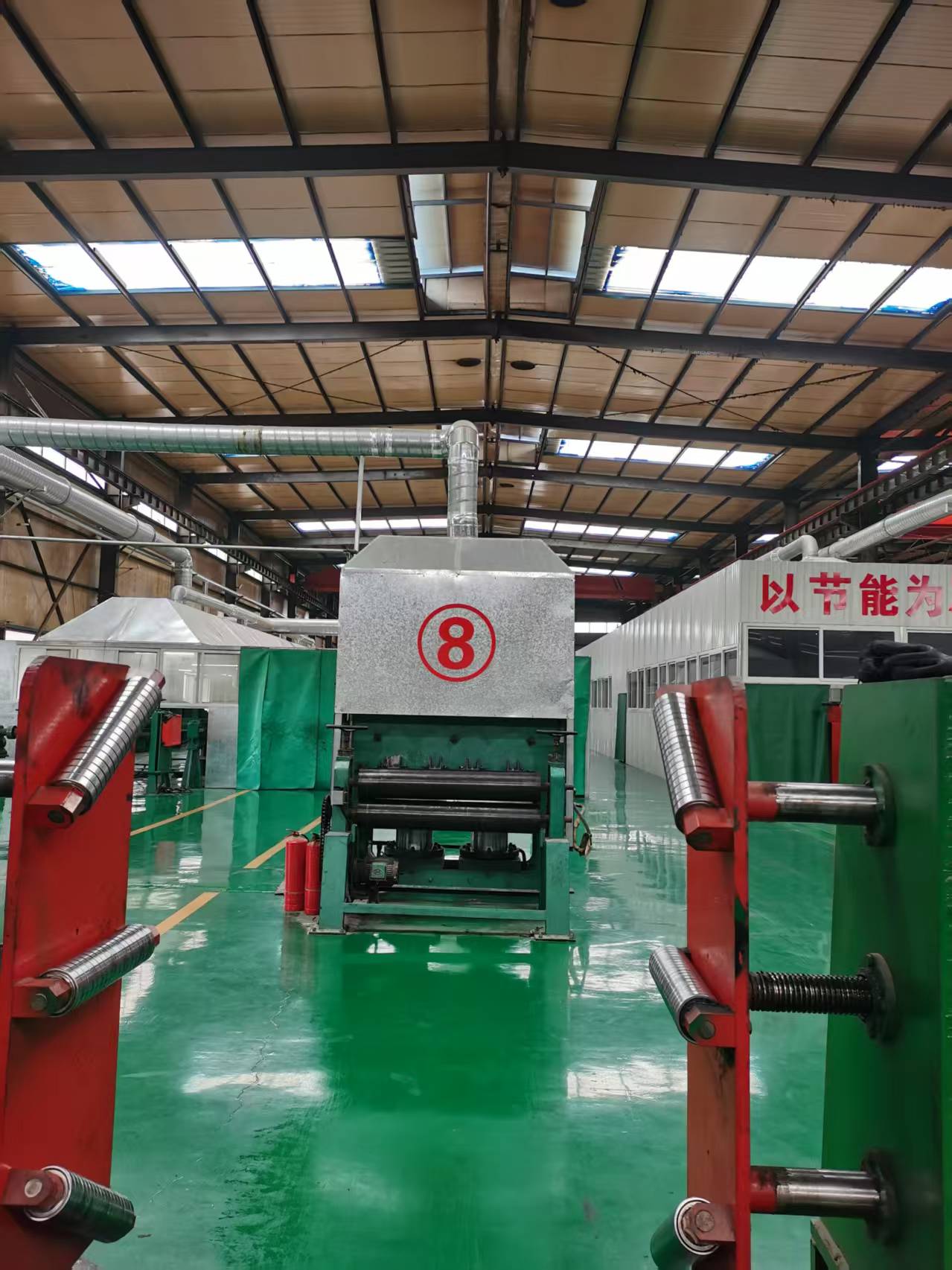
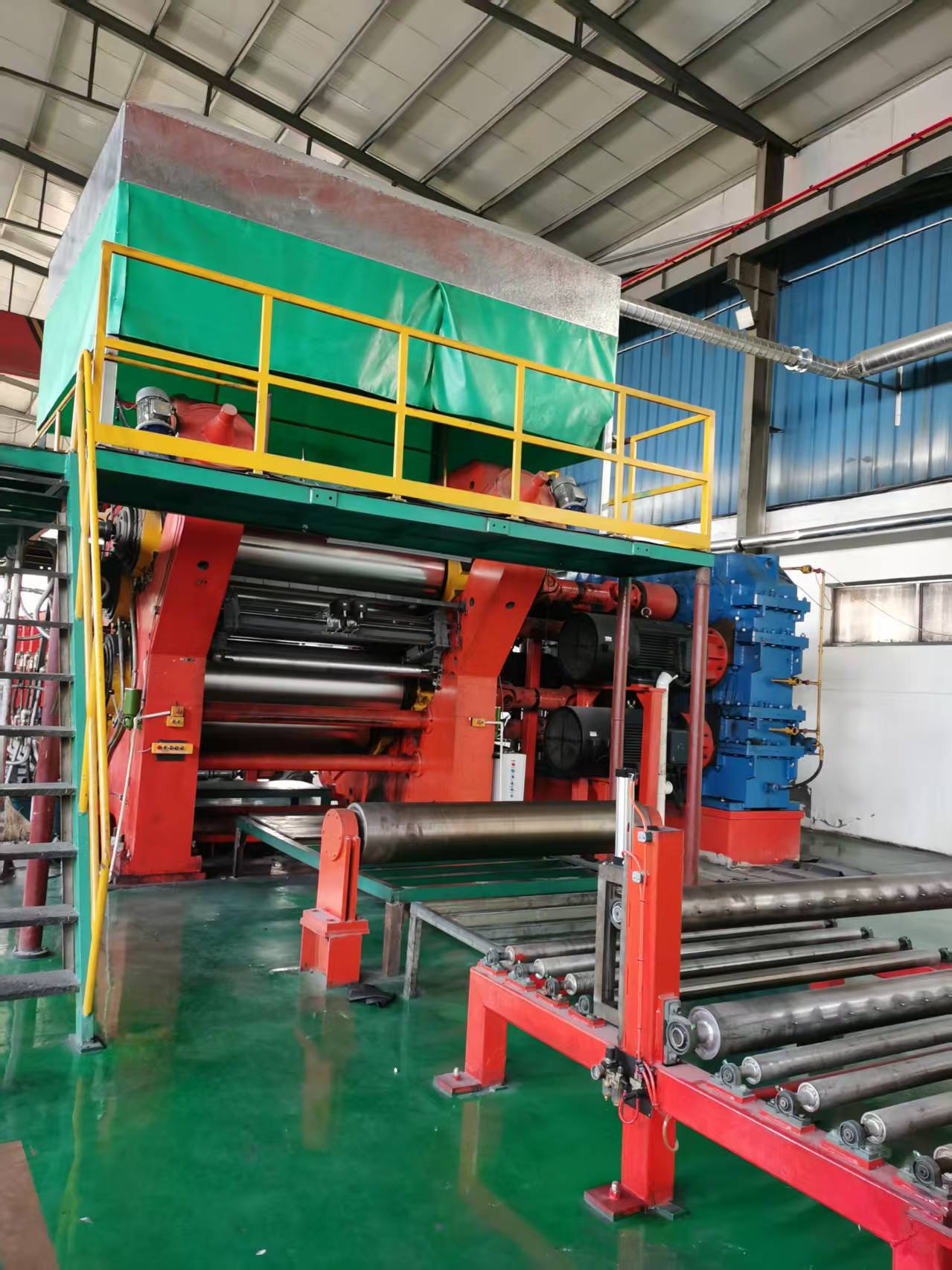
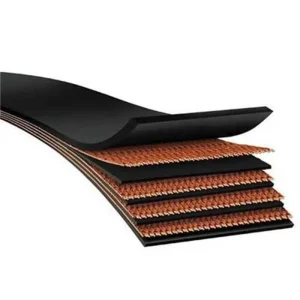
Advanced calendering lines apply uniform pressure across multi-ply fabrics (EP/NN) or high-tensile steel cord grids. This precision prevents moisture intrusion, a major cause of core steel rusting and belt ply separation in frozen climates.
We track vulcanization cure cycles using electronic control systems. Microprocessors regulate the temperature across the press plates, preventing under-vulcanization and securing optimal crosslink density for tear resistance.
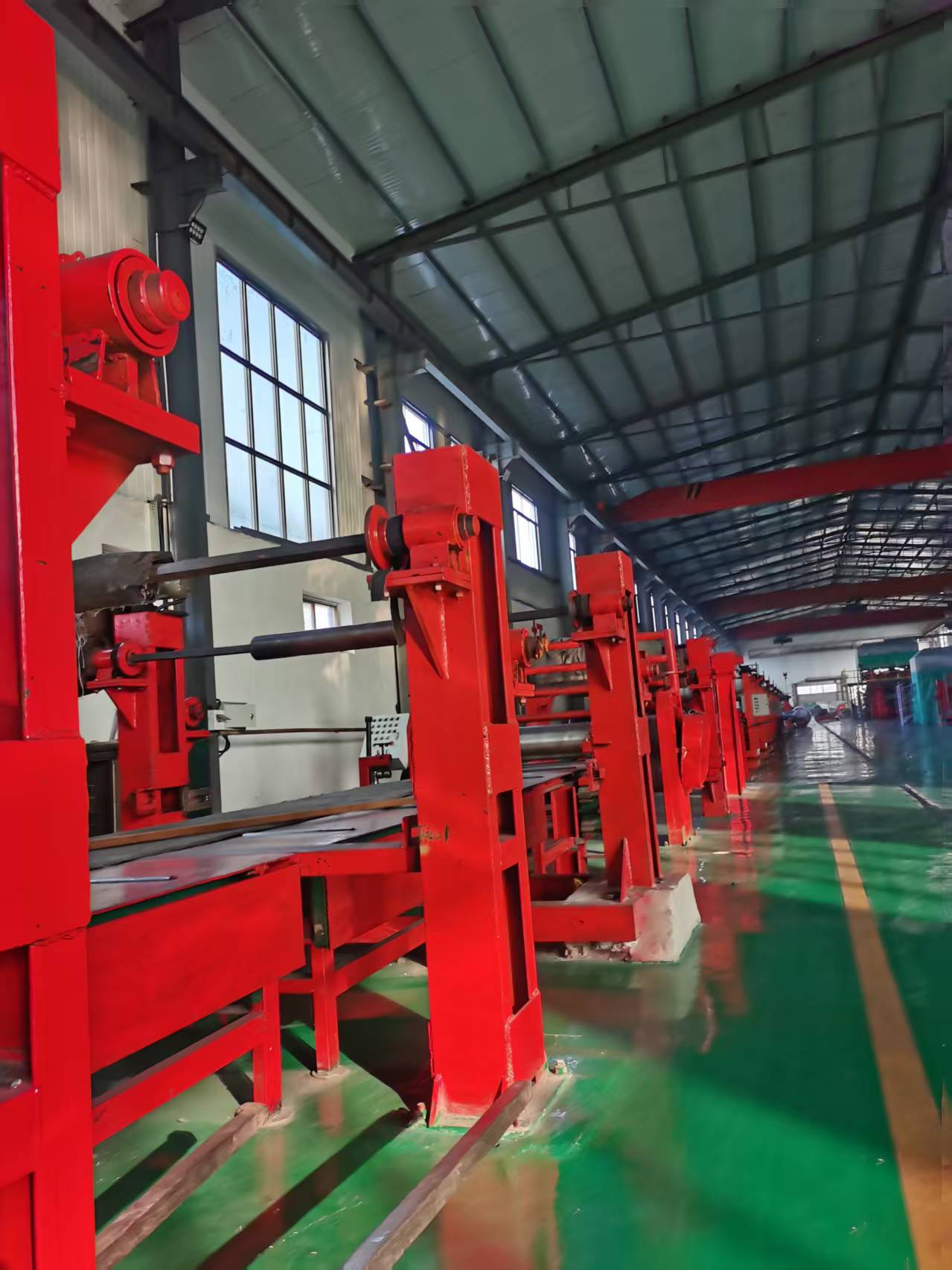 Fabric Conveyor Belt Production Line
 Multi-Roll Calendering Assembly
 Vulcanization Press Unit
 High-Pressure Heavy Vulcanization
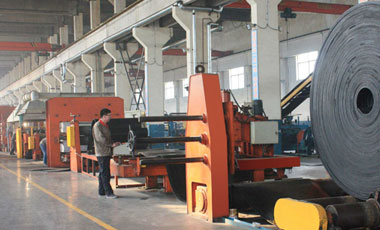 Fabric Belt Curing Process
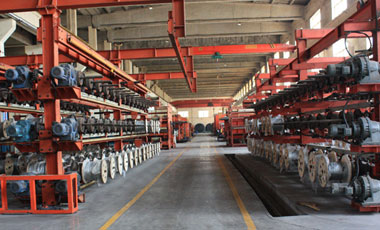 Steel Cord Production Equipment
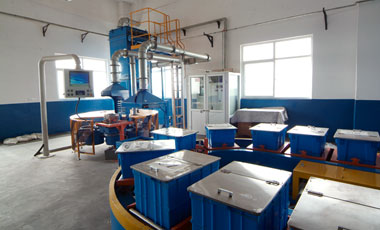 Proportioning Control Center
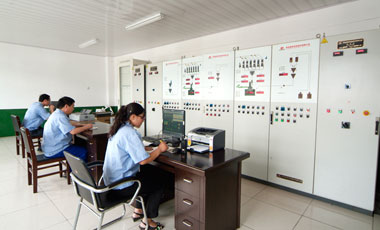 Proportioning Management System
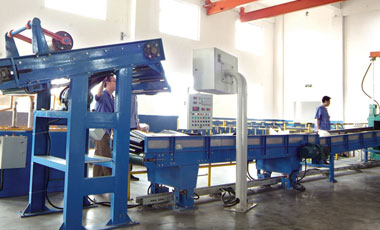 Automatic Polymer Feeding Device
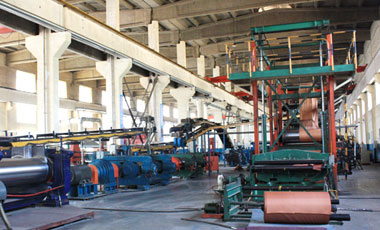 Calendering & Shaping Station
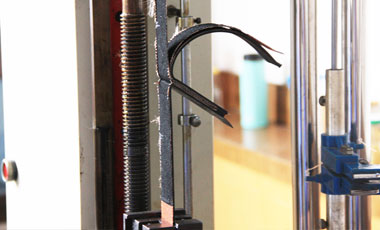 Peel Strength Adhesion Testing
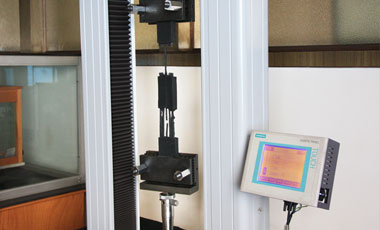 Steel Cord Pull-out Tester
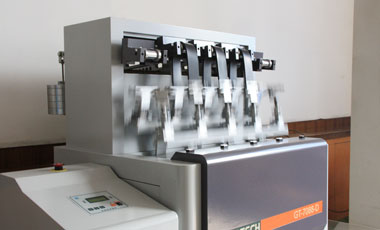 Dynamic Fatigue Tester
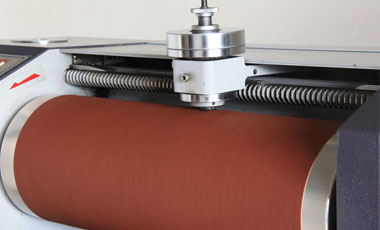 DIN Cover Rubber Abrasion Tester
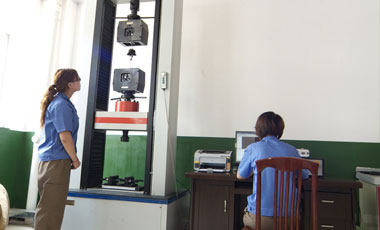 Abrasion Index Profiler
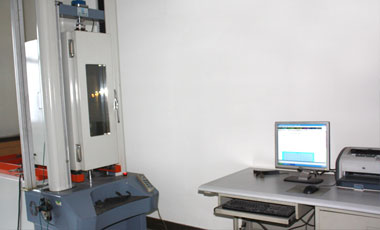 Physical Properties Analysis Lab
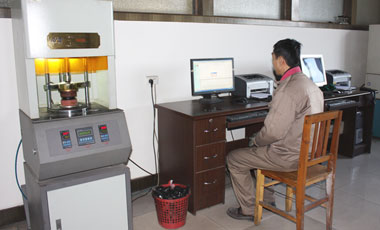 Tensile Strength Test Bench
Providing specialized conveyor belts and support networks tailored to demanding operating environments.
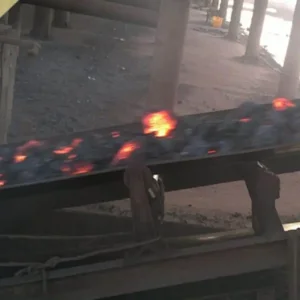
Sinter, slag, and coal transport systems require temperature-resilient, tear-resistant belts. Our products are engineered for sites like Taihang Steel, Tsingshan Group, and Puyang Steel Group to withstand direct heat loads and environmental freezing without belt surface cracking.
Extracting run-of-mine ore in high-latitude regions calls for robust, impact-resistant belts. We supply heavy steel cord systems with high impact ratings to Zijin Mining and Datong Coal Group, maintaining flexibility during heavy material drops at temperatures down to -40°C.
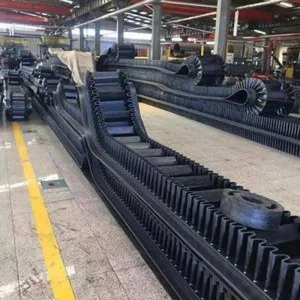
Handling clinker, fly ash, and limestone requires specialized belts to prevent slippage. Operations like Conch Cement, Jidong Cement Group, and China Railway Group Mixing Plants rely on our custom-profile belts to sustain high flow rates on steep inclines in sub-zero winter conditions.
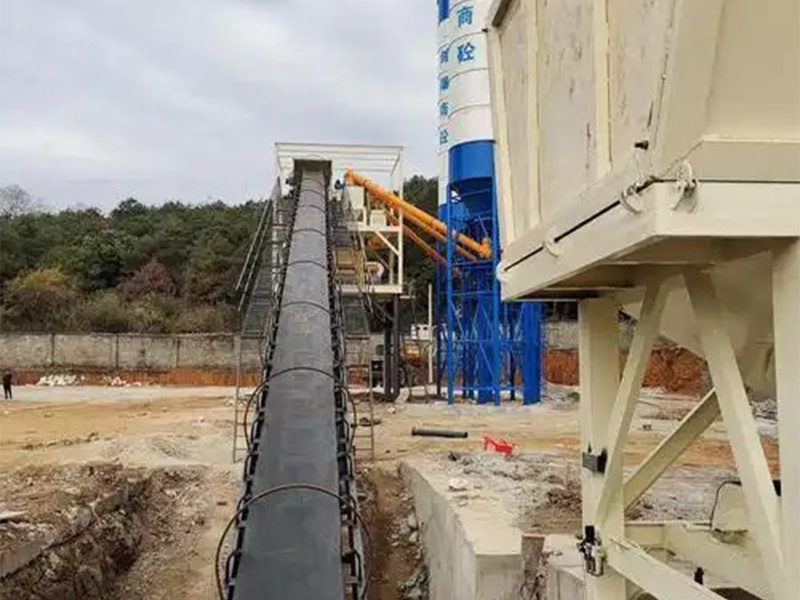
China Railway Group Mixing Plant
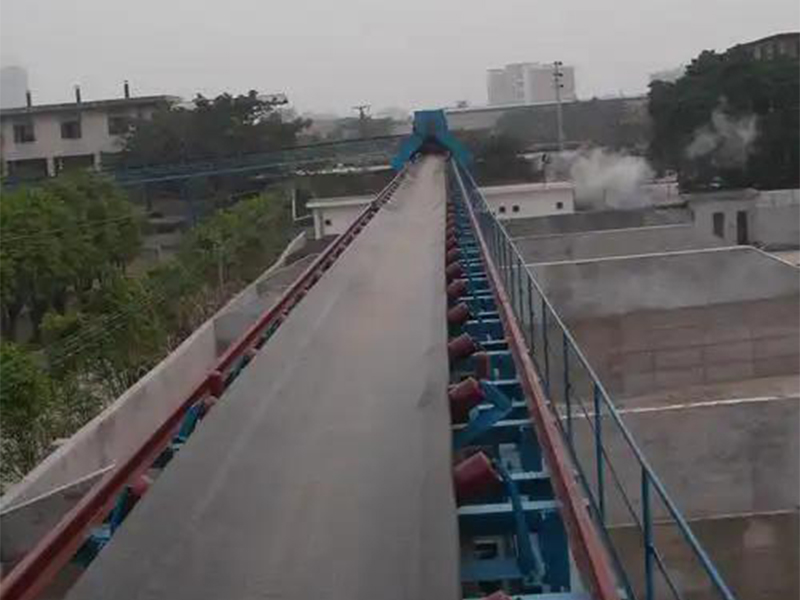
Conch Cement
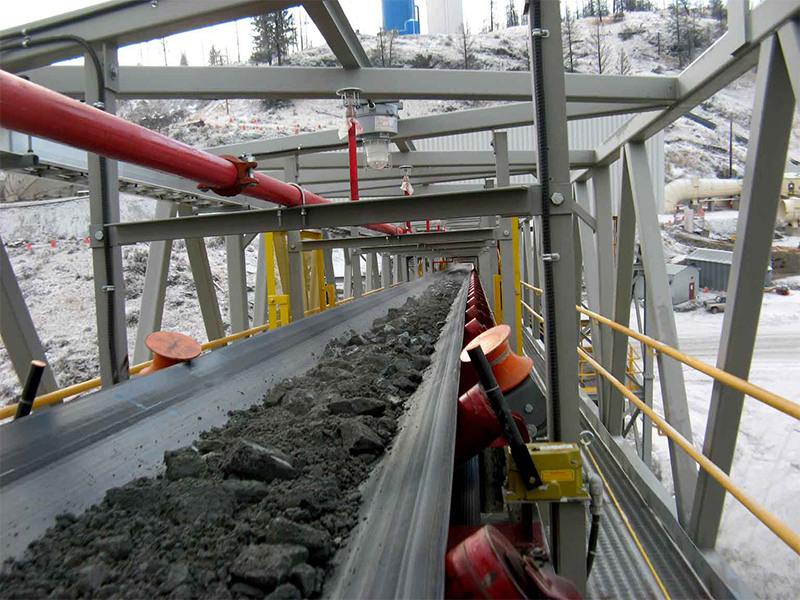
Datong Coal Group
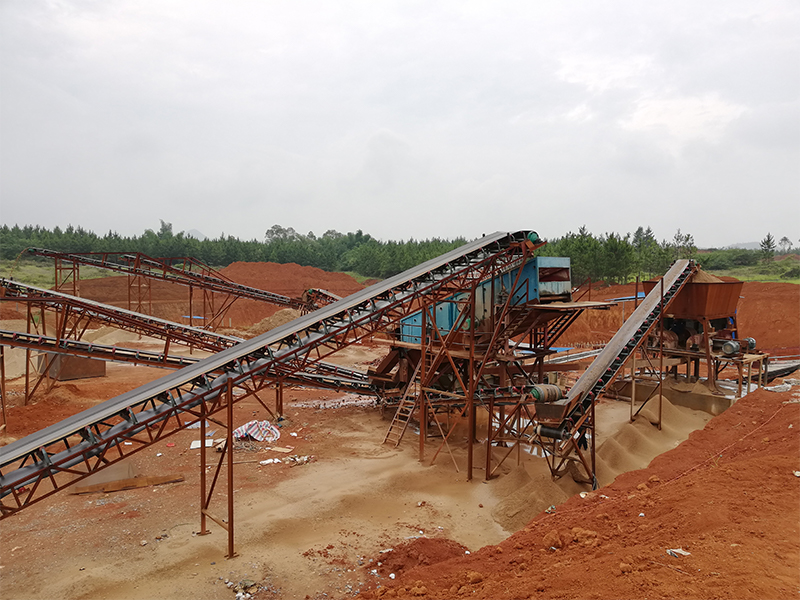
Tsingshan Group
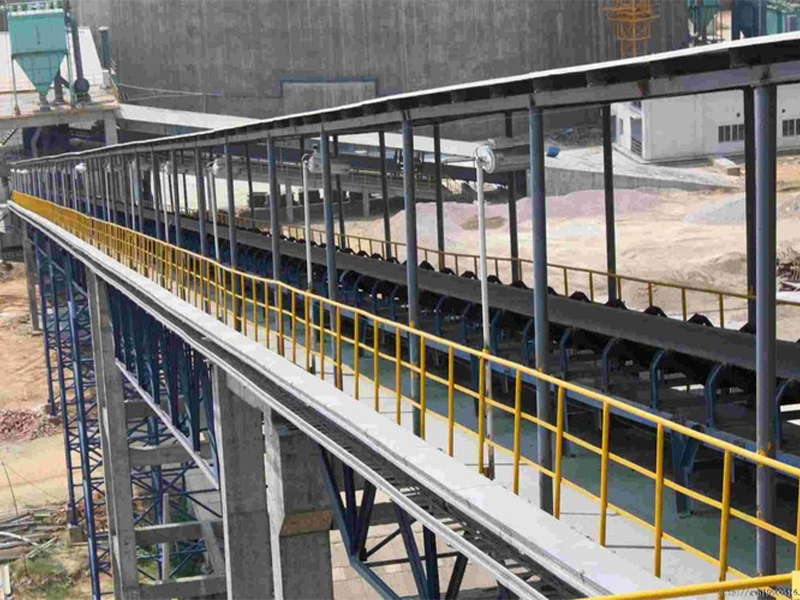
Jidong Cement Group
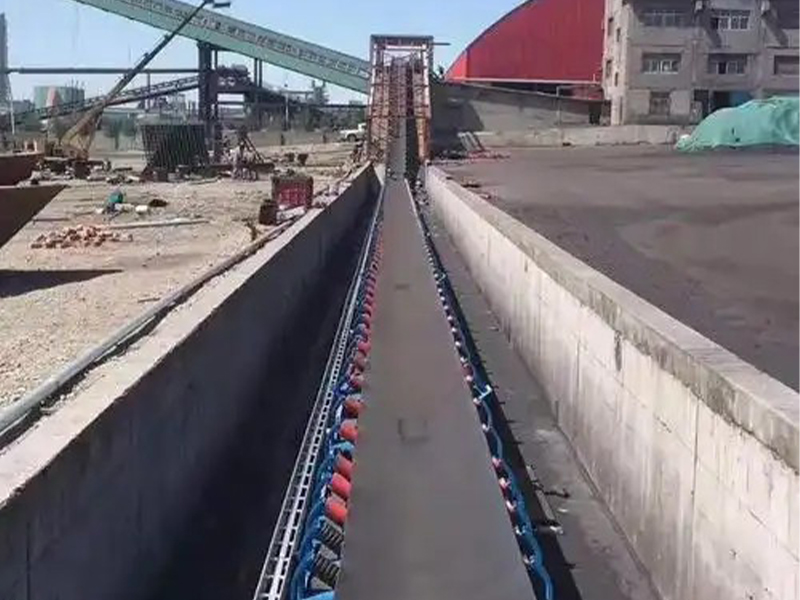
Jinmei Group Coal Line
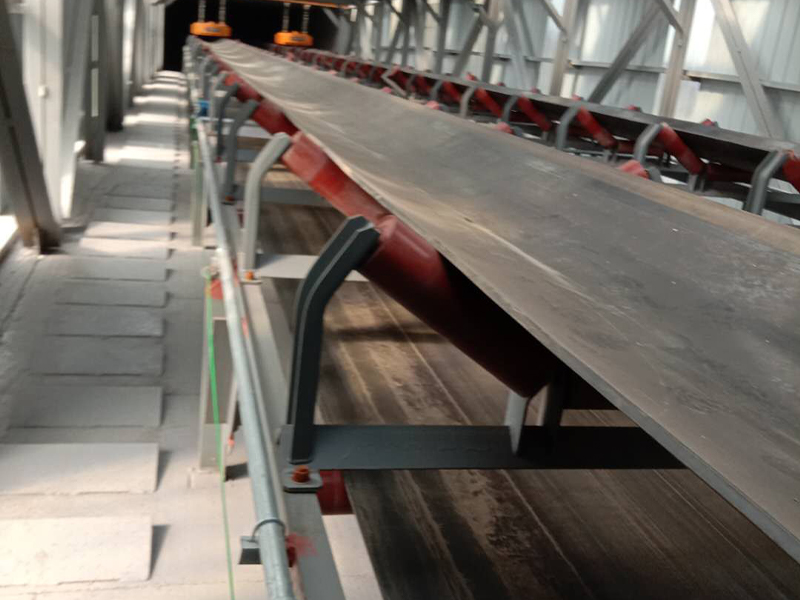
Taihang Steel
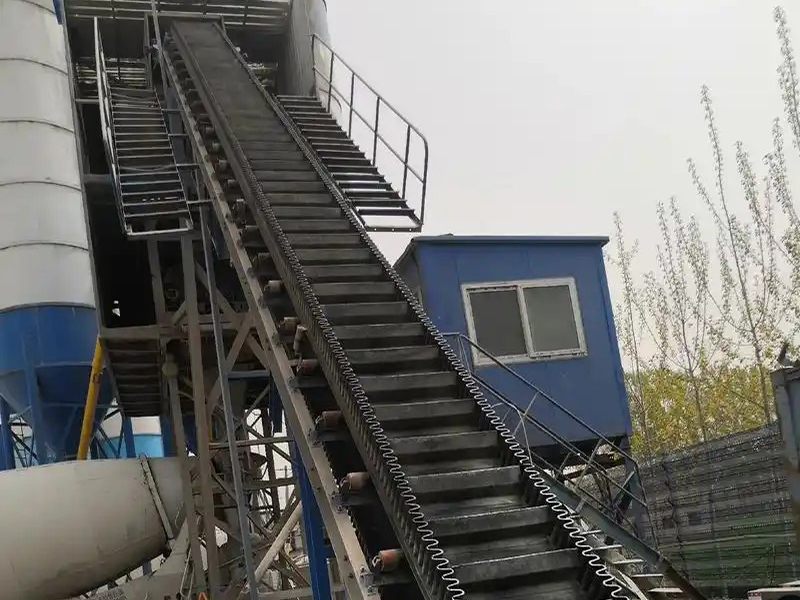
Puyang Steel Group
Comprehensive service frameworks designed to help extend conveyor component life and sustain material handling efficiency.
We provide structured installation assistance, scheduled belt vulcanization splicing, wear assessments, and emergency field repairs to maintain production uptime.
Our service scope covers custom belt supply, inventory optimization plans, on-site cold/hot vulcanized joints, cover repair, and mechanical tracking adjustments.
We work to optimize conveyor line performance, minimize friction-induced energy consumption, reduce premature belt wear, and help lower operations costs.
Our goal is to ensure stable, secure, and reliable operation across all system components, helping extend belt service life in challenging environments.
Our cold-resistant and anti-slip conveyor systems are manufactured to align with leading international quality and environmental safety frameworks.
To ensure global buyers have reliable technical options, Hebei Boao Rubber Technology aligns its manufacturing processes with international quality control frameworks. Our testing laboratory checks every production stage, tracking vulcanization density, steel cord bonding, and cold-impact durability.
| Compliance Specification | Core Test Criteria | Jinao Belt Performance |
|---|---|---|
| DIN 22102 (Class K) | Severe sub-zero flex durability | Tested to withstand ambient temperatures down to -50°C |
| ISO 4649 / DIN 53516 | Material loss to cover abrasion | Low abrasion volume loss below 90 mm³ |
| ISO 340 / EN 12882 | Self-extinguishing fire safety testing | Flame propagation ceases within 3 seconds of flame source removal |
| ASTM D378 | Tensile elongation & yield strength | Tensile load limits exceed 24 MPa on cover rubber |
Our quality system is verified across major global industry benchmarks, including API 6D, API 607, CE, ISO9001, ISO14001, ISO18001, and TS, to deliver reliable performance for your material handling systems.
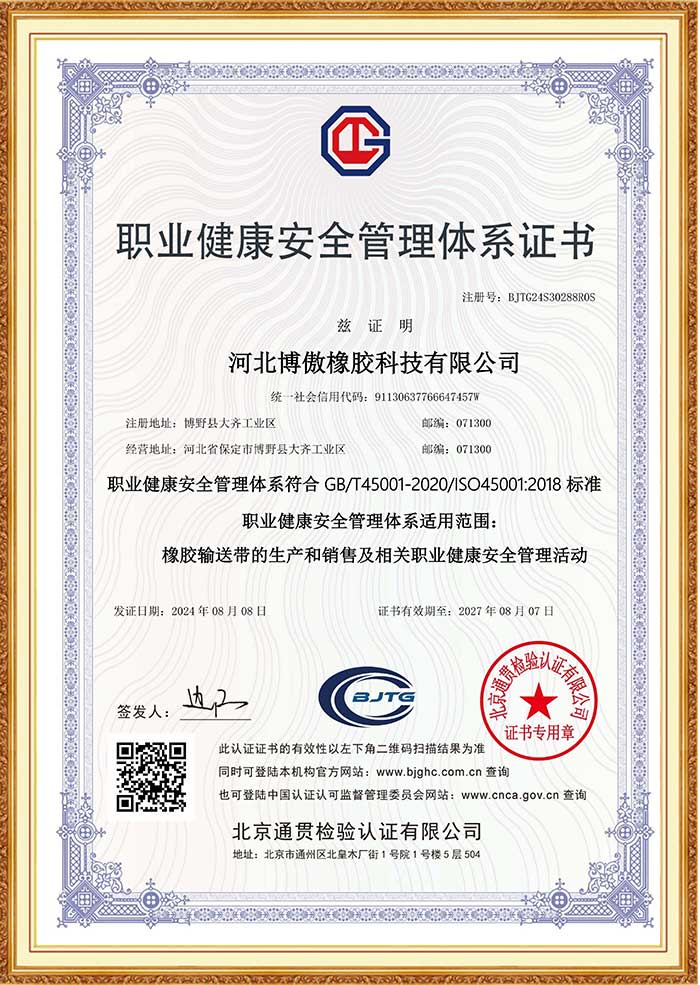
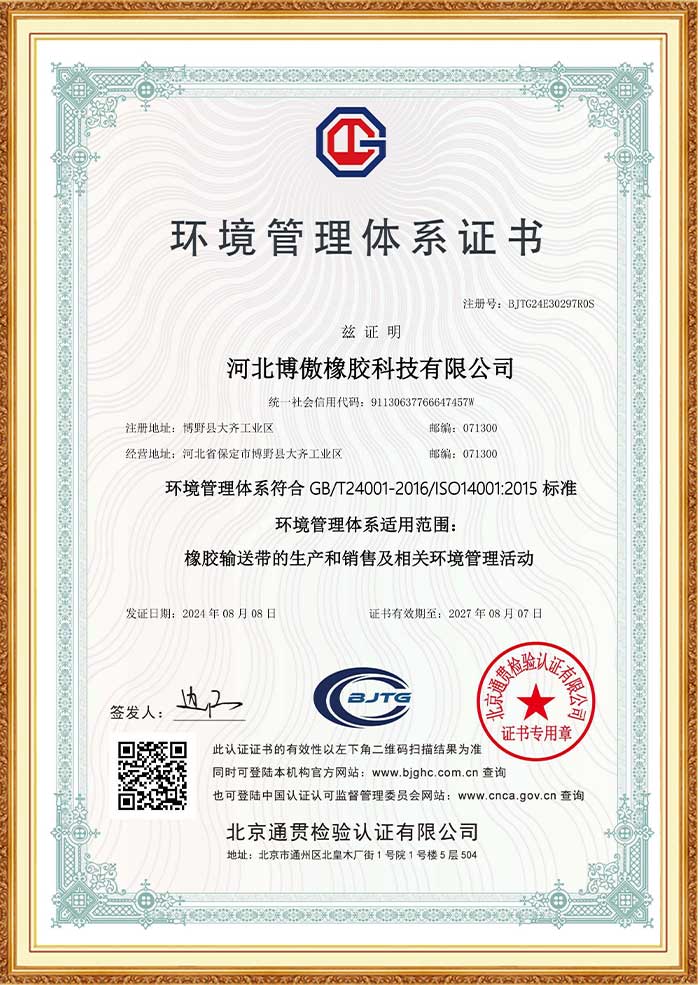
A technical guide for global procurement departments to select the appropriate belt parameters for low-temperature operating environments.
Choose the correct classification rating based on extreme temperatures at your site:
Thick chevron cleats prevent material slip on inclines but increase bending stress. Match your return idler positions and pulley diameters to your chosen cleat profile to prevent mechanical damage.
Freezing environments often involve exposure to coal grease, salt slurries, or acidic washdowns. Selecting a compound that balances cold resistance with chemical or oil resistance is critical to prevent premature belt degradation.
Technical answers to common engineering questions regarding the installation, compounding, and performance of cold-resistant, anti-slip conveyor systems.
Submit your specifications to our technical sales team for cover compounds, tensile load limits, profile geometries, and operating temperature profiles.
Explore the second segment of our product lineup, manufactured to support heavy bulk material operations.
 Boao Rubber