Why Choose Rubber Conveyor Belts for Your Business Needs?

Time:2026-08-11 Author:Amelia
0%

In the fast-paced world of manufacturing and transportation, efficiency is key. Rubber Conveyor Belts offer a solution that many industries rely on. They are strong, flexible, and durable, making them ideal for diverse applications. These belts can handle heavy loads and resist wear and tear.

Choosing Rubber Conveyor Belts means investing in reliability. However, not all belts are created equal. Factors like the environment and materials being transported must be considered. Even the best belts require maintenance to ensure longevity. Companies need to reflect on their specific needs to avoid costly mistakes.

When it comes to increasing productivity, Rubber Conveyor Belts stand out. But businesses should carefully evaluate their options. The right choice can lead to significant improvements, while the wrong one could hinder operations. Understanding the nuances of these belts is crucial for maximizing their benefits.
Why Choose Rubber Conveyor Belts for Your Business Needs?

Understanding Rubber Conveyor Belts: A Comprehensive Overview

Rubber conveyor belts are essential components in many industries. Their versatility makes them ideal for various applications. From heavy machinery to food processing, rubber belts provide reliable performance. They can handle everything from light loads to heavy materials.

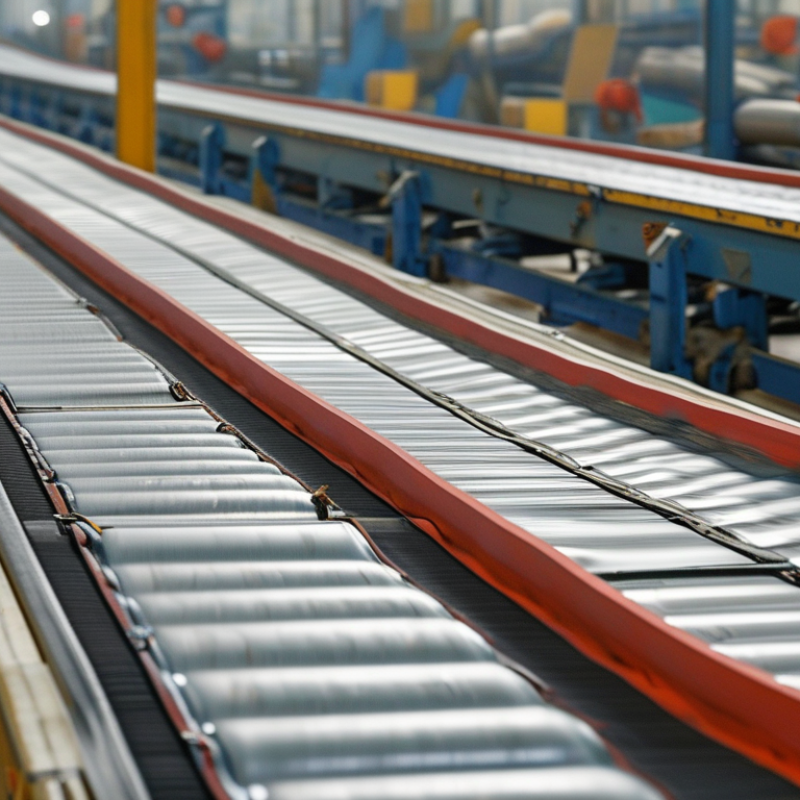
Understanding rubber conveyor belts requires knowledge of their construction. Typically, these belts consist of layers of rubber and fabric. This combination offers strength and flexibility. The surface can vary to suit specific needs. For example, patterned surfaces can prevent slippage. This detail enhances safety during transport processes.

While rubber conveyor belts have many advantages, they may wear out over time. Regular inspections are necessary to identify issues early. Not all belts perform the same under every condition. Businesses should consider their specific environment and load requirements. Choosing the correct type can be a challenge. Investing time in research assists in making informed decisions.

Key Advantages of Using Rubber Conveyor Belts in Industries

Rubber conveyor belts offer numerous advantages for industries, making them a preferred choice in various applications. These belts are known for their durability and resistance to wear. According to a report by MarketsandMarkets, the global rubber conveyor belt market is projected to reach USD 6.1 billion by 2026, growing at a CAGR of 3.1%. This growth underscores their value in material handling operations.

The flexibility of rubber conveyor belts allows them to operate efficiently across diverse environments. For instance, they can function in extreme temperatures. The ability to withstand harsh conditions prolongs their lifespan and reduces maintenance costs. However, it's essential to regularly monitor their condition. Some industries report premature wear due to improper alignment or handling.

Additionally, rubber belts provide excellent grip and traction. This feature is crucial in preventing product slippage during transport. According to a study from the International Journal of Mechanical Engineering, 78% of manufacturing plants report improved efficiency after switching to rubber belts. However, the investment in high-quality rubber can be substantial, and the selection process requires careful consideration of specific industry needs. Choosing the right belt for the application is critical to maximizing performance.

Applications of Rubber Conveyor Belts across Different Sectors

Rubber conveyor belts play a vital role in various industries today. They are widely used in manufacturing, agriculture, and logistics. In manufacturing, these belts transport heavy materials between machines. Their durability and flexibility help reduce wear and tear, ensuring efficiency in operations. For example, in automotive plants, rubber belts are crucial for moving car parts swiftly.

In the agriculture sector, rubber conveyor belts facilitate the handling of grains and bulk materials. Their resistance to environmental factors allows for safe transportation, even in harsh conditions. Yet, improper maintenance can lead to significant downtime. Regular inspections and timely replacements can prevent unexpected failures.

The logistics industry also benefits from rubber conveyor belts. They are essential in warehouses for sorting and moving packages. However, they can be prone to damage from heavy loads or sharp objects. It is important to choose the right type of rubber belt based on specific needs. Understanding these applications ensures businesses make informed choices about their equipment.

Why Choose Rubber Conveyor Belts for Your Business Needs? - Applications of Rubber Conveyor Belts across Different Sectors

Industry Application Benefits
Mining Transporting minerals and ores Durability and resistance to abrasion
Agriculture Handling crops and agricultural products Flexibility and lightweight design
Food Processing Transporting food products Compliance with food safety standards
Manufacturing Moving materials through production lines Efficiency and reduction in labor costs
Construction Transporting heavy materials Strength and resilience in harsh conditions

Factors to Consider When Choosing Rubber Conveyor Belts

Choosing the right rubber conveyor belts is crucial for your business operations. Factors like durability, load capacity, and application type play significant roles. According to industry reports, the global rubber conveyor belt market is expected to grow by 4.5% annually, reflecting their essentiality in various sectors. Durability directly impacts maintenance costs, while load capacity influences productivity.

When selecting rubber conveyor belts, consider the environment where they operate. High temperatures or exposure to chemicals can degrade the material. Understanding your environment will help in making an informed choice. Also, think about the specific materials you’ll be transporting. Different types of rubber offer varying levels of resistance and flexibility.

**Tips**: Test samples in your environment before committing to large orders. Analyze wear patterns to anticipate future replacements. Regular inspections can prevent unexpected downtime. Remember, not all rubber is equal, and sometimes the cheapest option can lead to more costly repairs down the line. Balancing cost with quality is key in this decision.

Why Choose Rubber Conveyor Belts for Your Business Needs?

This bar chart illustrates the key factors to consider when choosing rubber conveyor belts, highlighting the performance attributes such as durability, flexibility, heat resistance, and cost-effectiveness.

Maintenance Tips for Extending the Life of Rubber Conveyor Belts

Rubber conveyor belts are essential in many industries. To ensure they last, proper maintenance is pivotal. Regular inspections help catch wear and tear early. Check for fraying or cracks in the surface. Addressing these issues before they escalate saves time and money.

Keeping the belts clean is crucial. Dirt and debris can cause friction and lead to damage. Use appropriate cleaning methods to prevent buildup. Lubrication is another key aspect. It reduces friction and promotes smoother operation. However, over-lubricating can attract more dirt, creating a cycle of issues.

Temperature can impact rubber durability. Exposure to extreme heat or cold deteriorates the material. Monitor the operating environment and make adjustments as needed. Lastly, training staff on proper handling techniques prevents unnecessary strain. Mistakes happen, and learning from them is vital for optimal belt life.

FAQS

: What are the main advantages of rubber conveyor belts?

: Rubber conveyor belts are durable and resistant to wear. They function well in diverse environments, extending their lifespan.

How do rubber conveyor belts perform in extreme conditions?

They withstand high temperatures and harsh environments, but regular monitoring is necessary to prevent premature wear.

Why is grip and traction important in conveyor belts?

Good grip prevents product slippage, enhancing transport efficiency. Many plants report improved performance after switching to rubber belts.

What factors should be considered when selecting a rubber conveyor belt?

Consider durability, load capacity, environmental conditions, and specific materials being transported for optimal performance.

How can maintenance extend the life of rubber conveyor belts?

Regular inspections for wear, keeping belts clean, and proper lubrication can significantly prolong their operational lifespan.

What are common maintenance errors to avoid?

Over-lubricating belts attracts dirt. Neglecting to monitor wear can lead to costly repairs and unexpected downtime.

Is it essential to test samples before purchasing rubber conveyor belts?

Yes, testing samples in your environment helps ensure the belt meets required durability and performance standards.

How does temperature affect rubber conveyor belts?

Extreme heat or cold can degrade rubber. Monitoring the operating environment is crucial for maintaining belt integrity.

What role does staff training play in maintaining conveyor belts?

Proper training reduces strain and mistakes during handling, which is vital for the belts' longevity and efficiency.

What should be done if problems arise with the conveyor belts?

Analyze wear patterns and make adjustments to prevent further issues. Learning from mistakes can improve future outcomes.

Conclusion

Rubber conveyor belts are essential components in various industries due to their durability and flexibility. Understanding these belts involves recognizing their construction, which enables them to handle a wide range of materials efficiently. The key advantages of rubber conveyor belts include their resistance to wear and tear, adaptability to different environments, and the ability to transport heavy loads, making them ideal for manufacturing, mining, and agricultural sectors.

When selecting rubber conveyor belts, it's crucial to consider factors such as load capacity, belt width, and operational conditions to ensure optimal performance. Regular maintenance practices, such as proper cleaning and monitoring for wear, can significantly extend the lifespan of these belts, ensuring that they continue to meet business needs effectively. Ultimately, the use of rubber conveyor belts can enhance productivity and efficiency across various applications.


Amelia

Amelia

Amelia is a seasoned marketing professional with a wealth of expertise in our company’s core offerings. With an unwavering passion for driving growth and innovation, she plays a pivotal role in shaping our marketing strategies and enhancing brand visibility. A key aspect of her responsibilities......