Choosing the right conveyor belts is crucial for any business that relies on material handling. Nylon conveyor belts stand out for their durability and versatility. They are often the preferred option in various industries, from manufacturing to logistics.
When selecting nylon conveyor belts, consider specific factors. The thickness, length, and weight capacity must match your operational needs. High-quality nylon material can withstand wear and tear. It also offers superior flexibility during use. However, not all nylon conveyor belts are created equal. Some may not perform well in high-stress environments.
Reflection on your unique requirements is essential. Take into account your operating environment, product type, and budget. It is wise to consult with industry experts. This can ensure you make informed decisions and avoid costly mistakes. The right choice supports efficiency and enhances productivity in your operations.
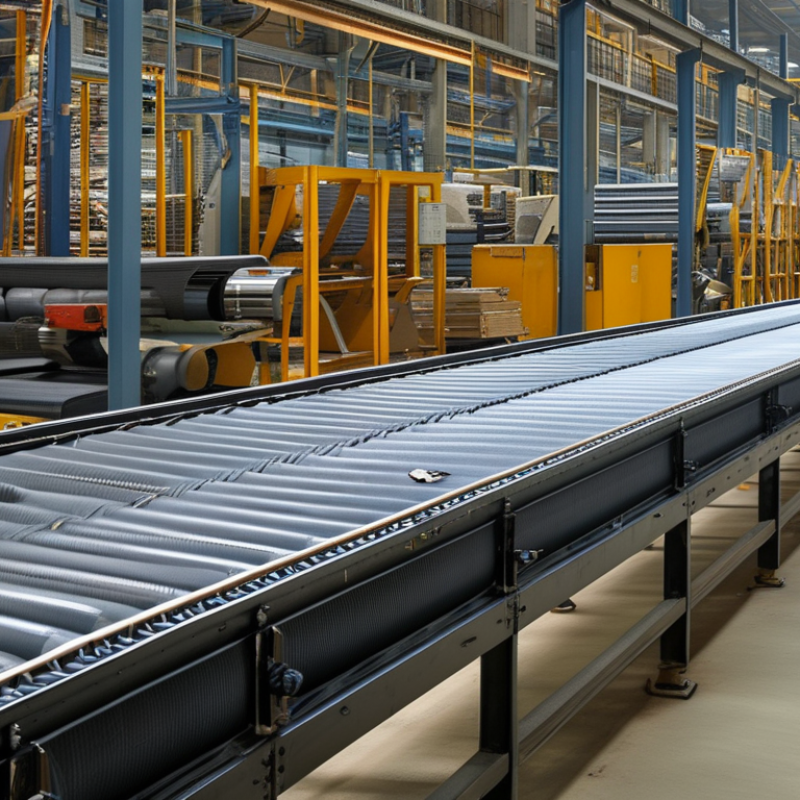
Understanding the Properties of Nylon Conveyor Belts in Industry Use
Nylon conveyor belts are crucial in many industries. They are known for their strength and flexibility. This makes them ideal for transporting various materials. Their ability to withstand heavy loads is impressive. They resist abrasion, which extends their lifespan. These properties make them a cost-effective choice for businesses.
Understanding the composition of nylon is essential. It is a synthetic polymer that offers durability. Nylon belts can operate in different environments. They perform well in both hot and cold temperatures. However, they are not immune to damage. Exposure to certain chemicals can weaken them. Businesses should consider their specific needs when selecting belts.
Another important aspect is maintenance. Regular inspections can prevent unexpected failures. Ensuring proper tension and alignment is key. Over time, wear can affect performance. Adjusting operational practices based on wear patterns can prolong belt life. Investing in quality maintenance practices is often neglected yet critical for longevity.
Top Tips for Choosing Nylon Conveyor Belts for Your Business
This chart illustrates the key properties and their impacts when selecting nylon conveyor belts in industrial applications.
Assessing Load Capacity and Durability for Conveyor Belt Selection
When selecting nylon conveyor belts, assessing load capacity and durability is crucial. According to a report by the Belt Manufacturers Association, over 30% of conveyor belt failures are due to inadequate load management. This underlines the importance of understanding the weight limits of specific materials. A well-chosen belt can significantly enhance operational efficiency, sustaining heavy loads without frequent breakdowns.
Durability is another critical factor. Nylon belts excel in environments prone to wear and tear. The flexibility of nylon allows it to withstand significant impacts and abrasive materials. A recent industry study indicated that nylon belts can last up to 50% longer than PVC alternatives in similar conditions. However, it’s essential to consider environmental factors like temperature and humidity, which may affect performance.
Moreover, improper usage can lead to unforeseen issues. Some businesses overlook the compatibility of the belt with their equipment. Misalignment or incorrect tension can shorten the lifespan of any conveyor system. For optimal performance, regular assessments and adjustments are necessary. Understanding these factors helps ensure that the chosen nylon conveyor belt meets both load capacity and durability requirements.
Evaluating Temperature Resistance and Chemical Compatibility of Belts
When choosing nylon conveyor belts, assessing temperature resistance and chemical compatibility is crucial. Nylon belts typically perform well in a range of temperatures. However, studies show that excessive heat can weaken their tensile strength. In many applications, the belts operate effectively up to 194°F (90°C). Beyond this threshold, the risk of stretching or deformation increases significantly.
Chemical exposure presents another layer of complexity. Nylon is generally resistant to many oils and greases, yet specific chemicals can cause deterioration. For instance, exposure to strong acids or bases can lead to rapid material degradation, potentially compromising safety and efficiency. According to industry reports, approximately 15% of belt failures result from chemical incompatibility, indicating the importance of thorough testing. Additionally, the pH level of the substances in contact with the belt should be carefully evaluated.
In some scenarios, performance issues may arise from selecting the wrong belt type. A belt's environmental conditions, including humidity and exposure to various substances, can alter its expected longevity. Regular assessments, including wear and tear observations, can provide valuable insights. Ultimately, understanding these factors helps businesses make informed decisions that enhance operational efficiency.
Cost-Effectiveness: Initial Investment vs. Long-Term Savings in Operations
When selecting nylon conveyor belts for your business, understanding cost-effectiveness is crucial. The initial investment in high-quality belts may seem substantial. However, they often lead to significant long-term savings. Reports show that durable nylon belts can reduce replacement frequency by up to 30%. This decrease directly translates to lower maintenance costs and less downtime.
In an industry where every minute counts, the benefits are clear. Research indicates that companies save an average of 20% annually on operational costs when investing in superior materials. Choosing lower-cost alternatives might appear tempting. Yet, they often result in higher replacement and repair expenses. Consider the hidden costs: scraping by on cheaper belts can disrupt production, impacting overall efficiency.
It's important to evaluate the full picture. A comprehensive analysis should include factors like longevity, efficiency loss, and maintenance requirements. Balancing initial outlay with future returns is essential for a sustainable operation. The decision to invest in quality can shape the future trajectory of your business.
Maintenance Requirements and Lifespan Expectations for Nylon Belts
Choosing nylon conveyor belts requires understanding their maintenance needs and lifespan. Proper care can enhance efficiency and productivity. Regular checks are essential. Keep an eye on wear and tear. A worn belt can lead to costly delays. Clean the belt regularly to prevent buildup of debris that may cause friction.
Tip: Schedule routine inspections. This can help identify potential issues before they escalate. Look for signs of fraying or stretching. Adjust tension and alignment as necessary. These small steps contribute to long-term reliability.
The lifespan of nylon belts varies with usage and environment. Belts in abrasive settings may wear out faster. It’s crucial to monitor operating conditions regularly. Exposure to harsh chemicals or extreme temperatures shortens their life span. Assessing these factors will aid in making informed decisions regarding replacements.
Top Tips for Choosing Nylon Conveyor Belts for Your Business
| Dimension |
Value |
Maintenance Requirements |
Lifespan Expectation |
| Belt Width |
300 mm |
Regular cleaning and tension adjustment |
5 - 7 years |
| Belt Thickness |
5 mm |
Inspect for wear and replace as needed |
4 - 6 years |
| Load Capacity |
1000 kg |
Tune motor speed and ensure proper loading |
6 - 8 years |
| Operating Temperature |
-10°C to 80°C |
Check for environmental factors affecting the belt |
5 - 10 years |
| Resistance to Chemicals |
Good |
Clean spills promptly and assess damage regularly |
5 - 7 years |
Conclusion
When selecting Nylon Conveyor Belts for industrial applications, it is crucial to understand their unique properties, such as flexibility, strength, and resistance to wear. These belts are designed to handle various loads, so assessing their load capacity and durability plays a vital role in ensuring they meet operational demands. Additionally, evaluating factors like temperature resistance and chemical compatibility is essential for applications where environmental conditions may vary.
Cost-effectiveness is another significant consideration, balancing the initial investment against potential long-term savings through increased efficiency and reduced downtime. Moreover, understanding the maintenance requirements and lifespan expectations of Nylon Conveyor Belts can further aid businesses in making informed decisions, resulting in optimal performance and reliability in material handling processes. Employing these factors in your selection process will help ensure that you choose the most suitable Nylon Conveyor Belts for your operational needs.

 Boao Rubber