Essential Tips for Choosing Layered Conveyor Belts?

Time:2026-08-25 Author:Aria
0%

When selecting layered conveyor belts, it's crucial to consider various factors to ensure optimal performance. Layered conveyor belts are essential in many industries, providing durability and reliability under demanding conditions. Their design consists of multiple layers, enhancing their strength and ensuring they withstand heavy loads.

Understand the specific requirements of your application. Different materials offer unique benefits. For instance, some belts provide better resistance to abrasion, while others might be suited for temperature extremes. Keep in mind that choosing the wrong type can lead to increased maintenance costs and downtime.

Investing time in researching layered conveyor belts can pay off significantly. Seek advice from industry experts and consult technical specifications. This helps ensure you make an informed decision and choose a product that meets your operational needs. Reflection on past choices can lead to better outcomes in the future. Remember, the right belt can enhance efficiency and productivity in your operations.
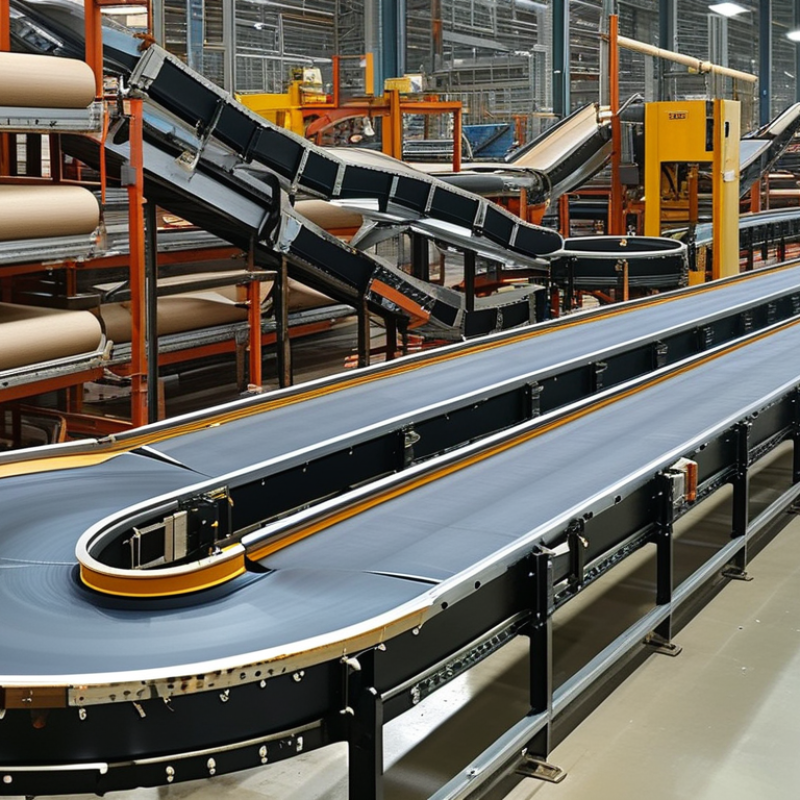
Essential Tips for Choosing Layered Conveyor Belts?

Understanding the Basics of Layered Conveyor Belts

Layered conveyor belts play a vital role in various industries, facilitating material handling and production processes. Understanding their basics is essential for making informed decisions. These belts typically consist of multiple material layers, which enhance strength and flexibility. According to a report by the International Society of Automation, around 70% of production lines utilize conveyor systems for efficiency. This underscores the importance of choosing the right type of layered conveyor belt.

When selecting a layered conveyor belt, consider the intended application, load capacities, and environmental factors. It’s crucial to evaluate the belt material and construction. A mismatch could lead to premature wear or failure. The tensile strength of the belt is a significant factor; belts with higher tensile strength are more durable, achieving life spans exceeding five years in optimal conditions. Seek belts that match your production demands.

It’s also important to account for installation and maintenance needs. A belt that requires complex maintenance may lead to downtime. Regular inspections and simple maintenance routines can greatly enhance the belt's lifespan and performance. Keep in mind, not all belts are easy to install; a complicated setup can lead to operational delays and increased costs. Balancing these factors can ultimately lead to a more robust material handling solution.

Key Factors to Consider When Selecting Conveyor Belt Layers

When selecting layered conveyor belts, it's crucial to evaluate the materials used in each layer. The type of rubber or polymer can significantly affect durability and performance. For instance, studies indicate that belts made from high-strength synthetic fibers can last up to 50% longer in harsh environments compared to traditional materials. Choosing a belt with the appropriate layer thickness also impacts load capacity and operational efficiency.

Another vital factor is the belt's design. Multi-ply configurations can provide additional support and flexibility, accommodating various loads and conditions. Research shows that conveyor systems can achieve a 20-30% increase in efficiency by using the right layered belts. Consider the expected load distribution. Imbalanced loads can lead to premature wear, highlighting the need for thorough analysis during the selection process.

Maintenance should not be overlooked. Regular inspections and adjustments help extend the life of your belts. Some users neglect this, leading to costly downtime and repairs. Understanding the operational environment is key, especially for belts running in extreme temperatures or corrosive conditions. This awareness can guide you to the most suitable choices and reduce potential operational issues.

Essential Tips for Choosing Layered Conveyor Belts

Factor Description Importance Level
Material Type Choose a material that matches the application’s requirements, such as temperature and chemical resistance. High
Belt Thickness Thicker belts can handle heavier loads but may reduce flexibility. Medium
Layer Construction Consider the number of layers and their arrangement for strength and flexibility. High
Surface Texture The texture affects grip and can determine how materials are transported. High
Temperature Resistance Ensure that the belt can operate effectively in the given temperature range. Medium
Weight Capacity Calculate the expected load to select an adequately rated belt. High
Environmental Factors Consider exposure to elements like moisture, oils, or hazardous materials. High

Material Types and Their Impact on Performance and Longevity

When selecting layered conveyor belts, material types play a crucial role in performance and longevity. Various materials can significantly influence the durability and efficiency of conveyor systems. For instance, polyurethane and PVC are popular due to their flexibility and wear resistance. According to industry reports, belts made from these materials can last up to 30% longer than those made from traditional rubber. This is essential for continuous operations where downtime is costly.

Choosing the right material also affects load-bearing capacity. For heavier loads, reinforced materials such as Nylon provide added strength. A study revealed that conveyor belts with reinforced cores can support up to 50% more weight without compromising their integrity. However, the choice shouldn't only be based on durability; consider environmental factors too. Temperature extremes, moisture, and chemical exposure can degrade materials. A mismatched belt could lead to failure, causing delays.

Evaluate the application requirements regularly. Not every setting demands high-grade materials. Sometimes, a less robust option suffices. Always review operational needs. Striking a balance between cost and performance can save resources. As material technology evolves, revisiting your choices periodically can reveal better options, improving efficiency overall.

Assessing Load Capacity and Thickness for Your Conveyor Needs

When selecting layered conveyor belts, assessing load capacity and thickness is crucial. Understanding the specific requirements of your application helps you choose the right belt. Consider the weight and type of materials being transported. For instance, a heavier load requires a belt with greater load capacity. Similarly, the thickness of the belt influences its durability and performance.

Monitoring load capacity helps prevent premature wear and tear. If a belt is overloaded, it can lead to costly downtime. Thickness, on the other hand, affects how well a belt can withstand wear and external factors. A thick belt may be suitable for heavy, abrasive materials. However, it can be less flexible in certain applications.

Balancing load capacity and thickness is not always straightforward. Sometimes, thicker belts may offer durability at the expense of flexibility. On the other hand, a thinner belt might be more adaptable but less robust. It's essential to consider these trade-offs closely. Regular assessments of performance will help you refine your choices over time. Understanding these details will lead to better operational efficiency and lower costs.

Load Capacity vs Thickness of Layered Conveyor Belts

This chart illustrates the relationship between the thickness of layered conveyor belts and their load capacity. As the thickness increases, the load capacity also increases, making it essential to assess these factors for optimal conveyor performance.

Maintenance Tips for Extending the Life of Layered Conveyor Belts

Layered conveyor belts require consistent maintenance to ensure optimal performance. Regular inspection is essential. Check for signs of wear and tear. Look for fraying edges or cracks. These issues can lead to bigger problems over time. Addressing them early can save significant costs. The environment in which belts operate also affects their durability. Dust and debris can accumulate, hindering efficiency.

Cleaning is a crucial part of maintenance. Use appropriate cleaning agents to remove build-up without damaging the belts. It's important to follow the manufacturer's recommendations for cleaning solutions. Over time, adjustments may be necessary. Ensure that belts are aligned properly to avoid excess strain. Misalignment can lead to premature wear.

Lubrication is another vital aspect. Regularly lubricate bearings and other moving parts. This will prevent friction, which leads to overheating. Balance is key; too much lubricant can attract dirt. Monitor usage consistently to detect any deviations in performance early. These small actions can extend the lifespan of layered conveyor belts significantly. Regular maintenance not only saves money but also ensures smooth operations.

FAQS

: What materials should I consider for conveyor belt layers?

: Evaluate the type of rubber or polymer used. This directly affects durability and performance.

How does belt thickness impact efficiency?

The right layer thickness influences load capacity and operational efficiency. Thicker belts can handle more load.

Why is design important in conveyor belts?

Multi-ply designs provide extra support and flexibility for various loads. They can increase operational efficiency by up to 30%.

What happens with imbalanced loads?

Imbalanced loads can cause premature wear. Analyzing load distribution is crucial for belt selection.

How often should I inspect my conveyor belts?

Regular inspections are essential. Look for signs like fraying edges or cracks before they worsen.

Why is cleaning important for belt maintenance?

Cleaning prevents dust and debris accumulation. Use recommended agents to avoid damage to the belts.

How can belt misalignment affect performance?

Misaligned belts can lead to excess strain and premature wear. Ensure proper alignment during maintenance checks.

What role does lubrication play in belt maintenance?

Proper lubrication reduces friction and overheating. Balance is important; too much can attract dirt.

How can I identify performance deviations?

Monitor usage consistently. Early detection of issues can prevent costly repairs and downtime.

What can result from neglecting maintenance?

Neglecting maintenance often leads to costly repairs and prolongs downtime. Regular upkeep is vital for smooth operations.

Conclusion

Layered Conveyor Belts are essential components in various industrial applications, designed to enhance efficiency and manage heavy loads. Understanding the basics of these belts is crucial, as they come in different configurations and materials, each affecting performance and longevity. When selecting the right layered conveyor belt, key factors such as the type of material and the thickness of the layers significantly influence their durability and load capacity.

To maximize the benefits of Layered Conveyor Belts, it’s important to assess specific operational needs and consider aspects like load capacity and belt thickness. Additionally, regular maintenance can extend the life of these belts, ensuring reliable performance over time. By prioritizing these considerations, businesses can choose suitable layered conveyor belts that meet their unique requirements and improve overall productivity.


Aria

Aria

Aria is a dedicated marketing professional with a deep passion for innovative strategies and a keen understanding of our company's product offerings. With a wealth of experience in the industry, Aria excels at crafting engaging content that highlights the unique features and benefits of our......