Why Choose Rubber Belts for Your Industrial Needs?

Time:2026-08-30 Author:Aria
0%

In the world of industrial applications, choosing the right materials is crucial for efficiency and longevity. Rubber belts have become a popular choice for many sectors. They offer flexibility, durability, and reliability, making them ideal for various machinery and transport systems. Their ability to withstand wear and tear while ensuring consistent performance is unmatched.

Rubber belts are designed to handle extreme conditions. They provide excellent grip and traction, which is essential in many industrial settings. They also resist oil, heat, and impacts. This capability makes them a preferred option over other materials. However, it's important to recognize that not all rubber belts are created equal. Quality varies widely among manufacturers, which can lead to performance differences.

Selecting the right rubber belts requires careful consideration. Assess the specific needs of your operations. Look for reputable suppliers who offer robust solutions tailored to your requirements. Investing in high-quality rubber belts may seem costly upfront, but it reduces downtime and enhances productivity in the long run. Reflecting on your choices can lead to better outcomes for your industrial needs.
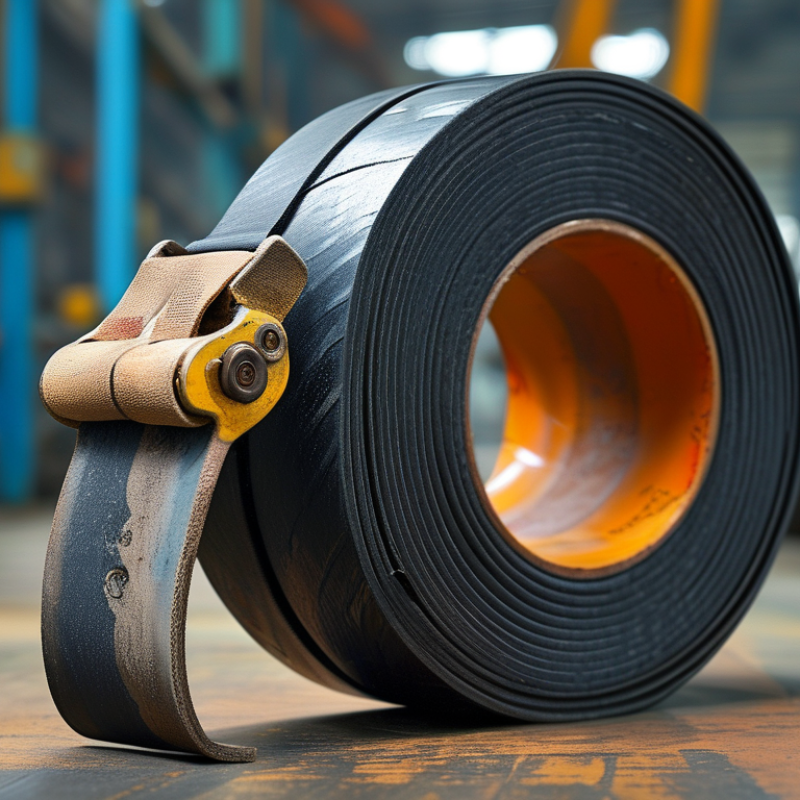
Why Choose Rubber Belts for Your Industrial Needs?

Benefits of Rubber Belts in Diverse Industrial Applications

Rubber belts are increasingly favored in various industrial applications due to their versatility and resilience. They offer excellent resistance to wear and tear, making them ideal for challenging environments. According to a report by the Machinery and Equipment Manufacturers Association, industries using rubber belts reported a 30% reduction in maintenance costs over traditional materials. This highlights the financial benefits of integrating rubber belts into production lines.

Rubber belts perform well in high-temperature situations. They maintain their flexibility and strength, which is crucial for industries like food processing and automotive manufacturing. Notably, the flexibility contributes to smoother operation, enhancing overall productivity. Some studies indicate a 15% increase in efficiency when switching to rubber belts from metal alternatives.

Consider the following tips: Ensure proper alignment of rubber belts to prevent premature wear. Routine inspections can avoid unexpected breakdowns. It is important to select the right type of rubber for specific applications; not all rubber types suit every environment. Balancing cost and performance is essential to maximize the effectiveness of rubber belts while ensuring safety and longevity.

Comparative Analysis: Rubber Belts vs. Alternative Material Options

Rubber belts have gained popularity in various industrial applications due to their unique properties. One significant advantage is their ability to withstand extreme temperatures. This resilience makes them ideal for machinery operating in harsh environments. In contrast, alternatives like metal belts can suffer from corrosion, impacting longevity and performance. Rubber belts generally offer smoother operation and noise reduction, enhancing overall workflow efficiency.


Another point of consideration is flexibility. Rubber belts can easily navigate bends and transitions in machinery. This adaptability contrasts with options such as plastic, which can become brittle under stress. However, plastic belts are lighter, which can be a boon in specific applications. Assessing the weight-to-strength ratio is essential in choosing the right material.


While rubber belts often perform well, they are not without downsides. They may show wear and degradation faster than some alternatives. This requires regular inspections and potential replacements, adding to maintenance costs. Striking a balance between initial costs and long-term durability is crucial for decision-makers. Each material has its place, and understanding these nuances is vital for informed choices in industrial settings.

Industry Statistics: Market Growth and Demand for Rubber Belts

The rubber belt market is experiencing significant growth. According to industry reports, the global rubber belts market was valued at approximately $16 billion in 2022, with expectations to reach around $23 billion by 2030. This notable growth rate reflects a surge in demand across various sectors such as automotive, mining, and construction.

One reason for this demand is the unique properties of rubber belts. They offer excellent flexibility and abrasion resistance, making them ideal for heavy-duty applications. For instance, in the automotive industry, rubber belts are crucial for efficient power transmission. The versatility of rubber also allows these products to thrive in extreme conditions, which is essential for long-term durability.

When selecting rubber belts, consider compatibility with your machinery. Ensure the size and specifications meet operational needs. Regular maintenance and inspections are key. Poorly maintained belts can cause unexpected downtimes. Stay informed on the latest materials and technologies in rubber manufacturing. This knowledge can help optimize your industrial processes.

Durability and Performance: Key Metrics of Rubber Belt Technology

Rubber belts stand out in industrial applications due to their unique durability and performance metrics. They are designed to endure extreme conditions. High temperatures, heavy loads, and exposure to chemicals are challenges that rubber belts handle effectively. The flexible nature of rubber allows it to absorb shocks, thereby safeguarding machinery from damage. This resilience is crucial for maintaining operational efficiency.

Another significant aspect is the belt's resistance to wear and tear. Rubber belts exhibit low friction, which minimizes heat buildup and prolongs their lifespan. However, not all rubber belts are created equal. Material composition and manufacturing processes vary widely. This inconsistency can impact overall performance, leading to premature failures. Users must be vigilant in selecting the right type and quality for their specific applications.

In addition, monitoring belt performance is essential. Regular inspections help in identifying signs of wear, such as cracks or fraying. Neglecting these checks can lead to costly downtimes. While rubber belts offer significant advantages, their effectiveness relies on proper maintenance. Understanding the balance between durability and operational demands is key to optimizing their use in any industrial setting.

Why Choose Rubber Belts for Your Industrial Needs?

Metric Rubber Belt A Rubber Belt B Rubber Belt C
Material Type Natural Rubber Synthetic Rubber Reinforced Rubber
Max Load Capacity (kg) 500 700 1000
Temperature Range (°C) -20 to 70 -30 to 80 -40 to 90
Durability (years) 5 7 10
Resistance to Chemicals Moderate High Very High

Applications of Rubber Belts in Manufacturing and Logistics Processes

Rubber belts are integral in modern manufacturing and logistics. They provide efficient transport of materials, ensuring that production lines run smoothly. In 2022, the global rubber conveyor belt market was valued at approximately $5 billion. This demonstrates their pivotal role in various industries.

In manufacturing, rubber belts are often used in assembly lines. They can handle heavy loads and resist wear and tear. This durability makes them ideal for environments like factories and warehouses. In logistics, they facilitate the movement of goods within distribution centers. A report from IBISWorld noted that the logistics sector is growing, with an expected annual growth rate of around 4% over the next five years. This growth puts even more pressure on systems to perform efficiently.

However, not all rubber belts are created equal. Choosing the wrong type can lead to increased downtime and maintenance costs. Many companies overlook the importance of customizing belts to fit specific applications. This can compromise reliability and efficiency. Understanding the specific needs of your operation is essential for optimizing performance.

FAQS

: What are the main advantages of rubber belts?

: Rubber belts offer excellent wear resistance and flexibility, making them suitable for challenging environments in various industries.

How do rubber belts affect maintenance costs?

Industries using rubber belts reported a 30% reduction in maintenance costs compared to traditional materials, highlighting potential savings.

In what high-temperature situations can rubber belts perform well?

Rubber belts maintain their flexibility and strength in high-temperature settings, benefiting industries like food processing and automotive manufacturing.

What efficiency gain can be expected when switching to rubber belts?

Some studies suggest a 15% increase in efficiency when replacing metal alternatives with rubber belts.

How can premature wear of rubber belts be prevented?

Proper alignment and routine inspections of rubber belts can help avoid premature wear and unexpected breakdowns.

How important is selecting the right type of rubber?

Choosing the appropriate rubber type for specific applications is crucial, as not all types are suitable for every environment.

What are the current trends in the rubber belt market?

The rubber belt market is growing, with a value of approximately $16 billion in 2022, projected to reach $23 billion by 2030.

Why are rubber belts favored in extreme conditions?

Their flexibility and abrasion resistance make rubber belts ideal for heavy-duty applications, ensuring long-term durability under harsh conditions.

What should be considered when selecting rubber belts?

Ensure that the size, specifications, and compatibility with machinery meet operational needs for optimal performance.

What role does maintenance play in the usability of rubber belts?

Regular maintenance and inspections are essential, as poorly maintained belts can lead to downtime and operational issues.

Conclusion

Rubber Belts have emerged as a preferred choice for various industrial applications due to their unique benefits, including flexibility, strength, and resistance to wear and tear. A comparative analysis highlights the superiority of Rubber Belts over alternative materials, showing their greater durability and performance metrics, which are crucial in demanding environments.

Industry statistics indicate a growing market demand for Rubber Belts, reflecting their versatility in manufacturing and logistics processes. Their ability to handle diverse operational requirements positions them as an essential component in industrial settings, ensuring efficiency and reliability in material handling and transportation tasks. As industries continue to evolve, the role of Rubber Belts in enhancing productivity remains significant.


Aria

Aria

Aria is a dedicated marketing professional with a deep passion for innovative strategies and a keen understanding of our company's product offerings. With a wealth of experience in the industry, Aria excels at crafting engaging content that highlights the unique features and benefits of our......