Choosing the right Steel Cord Conveyor Belts for your business is crucial for efficiency and safety. According to industry expert, Dr. Mark Ellis, “The selection of conveyor belts can significantly impact production and operational costs.” His insight emphasizes the importance of making informed choices.
Steel Cord Conveyor Belts are known for their durability and strength. They are designed for heavy-duty applications, often used in mining and aggregate industries. Their steel cord reinforcement provides superior tensile strength, ideal for transporting heavy materials over long distances. However, many businesses struggle to select the most suitable option.
There are several factors to consider. Each application may require different belt specifications, such as width, thickness, and tensile strength. You might face challenges in understanding these requirements. It’s essential to assess your operational needs carefully. Ignoring these details can lead to costly mistakes. Taking time to choose wisely will pay off in the long run, ensuring safety and optimizing productivity.
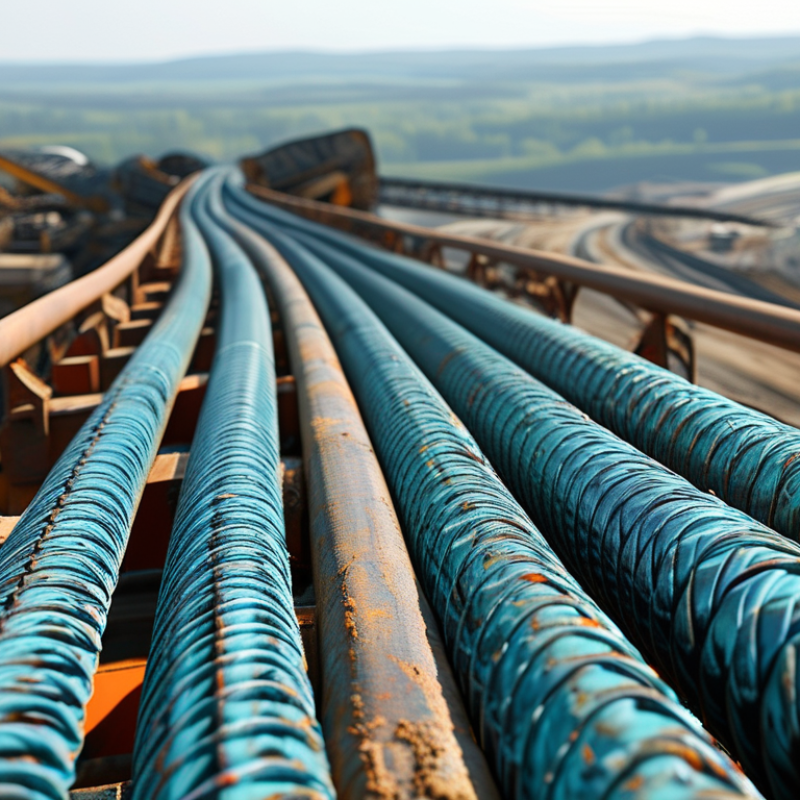
When choosing steel cord conveyor belts, several critical factors come into play. The first is the material used in the construction. High-tensile steel cords significantly enhance the belt's strength and resistance to wear. Industry data indicates that belts with higher cord density can endure heavier loads and last longer, often exceeding operational life by 30%. This statistic underscores the importance of durability in demanding environments, such as mining and heavy manufacturing.
Another consideration is the belt's abrasion resistance. The wear and tear from conveying materials can reduce performance. Research shows that belts designed with superior cover materials can improve traction and extend service life. However, selecting the wrong specifications might lead to premature failures or maintenance issues, sparking ongoing debates in the industry about optimal design choices. Engineers often reflect on these details, seeking a perfect balance between capability and cost-effectiveness.
Finally, the operational environment cannot be ignored. Extreme temperatures and exposure to corrosive materials can impact belt integrity. Various studies indicate that managing these extremes can lead to as much as a 40% increase in energy efficiency. Many companies are now reevaluating their existing systems to mitigate risks associated with these factors. As decisions are made, it's important to reflect on past experiences to avoid potential pitfalls in belt selection.
Steel cord conveyor belts play a crucial role in various manufacturing applications. Their design incorporates steel cables that provide enhanced strength and durability. This makes them suitable for heavy-duty loads and long distances. Industries like mining, agriculture, and construction heavily rely on these belts. They ensure efficient transportation of materials, minimizing downtime and increasing productivity.
Choosing the right steel cord conveyor belt is not only about strength. It requires understanding specific operational needs. For instance, the type of materials being transported and the environmental conditions are vital factors. Selecting a belt with the appropriate width and thickness can significantly impact performance. Some applications may expose the belts to harsh chemicals or extreme temperatures. This can affect longevity and reliability.
While many manufacturers offer various options, not every belt suits every application. Some businesses might overlook maintenance requirements, leading to premature wear. Regular inspections and proactive maintenance practices can extend the lifespan of these belts. A well-informed choice can make a substantial difference, optimizing efficiency across manufacturing processes.
When selecting steel cord conveyor belts, evaluating their strength and durability is crucial. According to the Rubber Manufacturers Association, steel cord belts can withstand heavy loads, making them ideal for bulk material handling. These belts often have a tensile strength ranging from 1200 N/mm to over 2000 N/mm. Such specifications highlight their capability to endure extreme conditions.
However, factors like service life and wear resistance should not be overlooked. A study by the Conveyor Equipment Manufacturers Association indicates that steel cord belts may experience wear under abrasive materials. Even the best belts can face issues like delamination or corrosion over time. Regular inspections and maintenance can significantly affect their durability.
Additionally, consider the impact of temperature variations and environmental factors. High temperatures can weaken the belt's structure, while low temperatures can make it brittle. This highlights that not all steel cord belts are created equal. Performance can vary widely based on specific applications and working conditions. It's essential to balance initial cost against long-term reliability to ensure optimal operational efficiency.
When selecting steel cord conveyor belts, businesses must consider cost-effectiveness and long-term value. A report from the Conveyor Equipment Manufacturers Association (CEMA) states that maintenance costs can consume up to 30% of operational budgets. Investing in high-quality steel cord belts often leads to lower maintenance and replacement costs.
Choosing the right belt can reduce downtime. Reports indicate that downtime can lead to losses of $1 million per hour in large operations. Steel cord belts are known for their durability. They can handle heavy loads and resist damage better than conventional belts. It's crucial to match the belt specifications to your operational needs.
Tip: Assess the life cycle of the conveyor belt. Consider initial costs versus long-term savings. A cheaper belt may require frequent replacement.
Another factor to evaluate is energy efficiency. High-quality belts can reduce energy consumption by up to 15%. This not only lowers operational costs but also enhances environmental sustainability. Steel cord belts can withstand harsh conditions, making them suitable for various industries.
Tip: Do not overlook compliance and safety standards. Ensure the belts meet industry regulations to avoid costly fines and operational delays. Investing time in research can yield substantial returns.
Selecting steel cord conveyor belts for your business requires a deep understanding of industry standards and certifications. Various organizations set these benchmarks, ensuring product safety and effectiveness. Among them, ISO standards are crucial. They focus on quality, performance, and safety parameters that belts must consistently meet. Familiarizing yourself with these standards can provide a solid foundation for your selection process.
When examining certifications, check for compliance with relevant local and international guidelines. Look for belts that have been tested under rigorous conditions. Testing results should be easily accessible. This transparency reflects a manufacturer's commitment to quality. Some companies might display certifications prominently, while others may not. It’s worth questioning the absence of such documentation.
Consider also the durability and maintenance requirements outlined in certification documents. Not all belts are designed for the same environments. If a belt fails to meet the expected industry standards, it could lead to operational inefficiencies. Reflect on past experiences with suppliers who provided inadequate documentation. Learning from these situations can help you make better decisions.
: High-tensile steel cords improve strength and wear resistance, offering longer operational life.
Superior cover materials enhance traction and extend service life. Poor choices may lead to premature failures.
Extreme temperatures and corrosive materials can compromise belt integrity, affecting performance significantly.
High-quality steel cord belts reduce maintenance costs by decreasing replacements and downtime for operations.
Investing in top belts can lower energy consumption by up to 15%, boosting sustainability and reducing costs.
Familiarize yourself with ISO standards and ensure belts meet safety and performance criteria before purchase.
Accessible testing results indicate a manufacturer’s commitment to quality and compliance with industry regulations.
It can lead to operational inefficiencies and increased costs associated with repairs and lost productivity.
Not necessarily; they may need frequent replacements, which could increase total costs over time.
Reflecting on previous shortcomings in documentation can guide better choices in future belt selections.
When selecting Steel Cord Conveyor Belts for your business, several critical factors must be considered to ensure optimal performance and longevity. Key considerations include the specific applications of these belts in various manufacturing processes, as well as assessing their strength and durability metrics. Understanding how these belts will function in your operational environment is essential for making an informed choice.
Additionally, evaluating the cost-effectiveness and long-term value of different conveyor belt options is crucial. It's important to assess the initial investment against the expected lifespan and maintenance costs. Finally, adherence to industry standards and certifications for Steel Cord Conveyor Belts will help ensure that your selection meets safety and performance requirements, thus contributing to the overall efficiency and reliability of your operations.
Boao Rubber