In the fast-paced world of manufacturing, efficiency is key. One critical component that can enhance operational workflows is "Patterned Conveyor Belts." According to industry expert, Dr. Emily Carter, a renowned engineer in materials handling, “Patterned Conveyor Belts can significantly reduce the risk of product slippage during transport.” This statement underlines the importance of selecting the right conveyor systems for specific business needs.
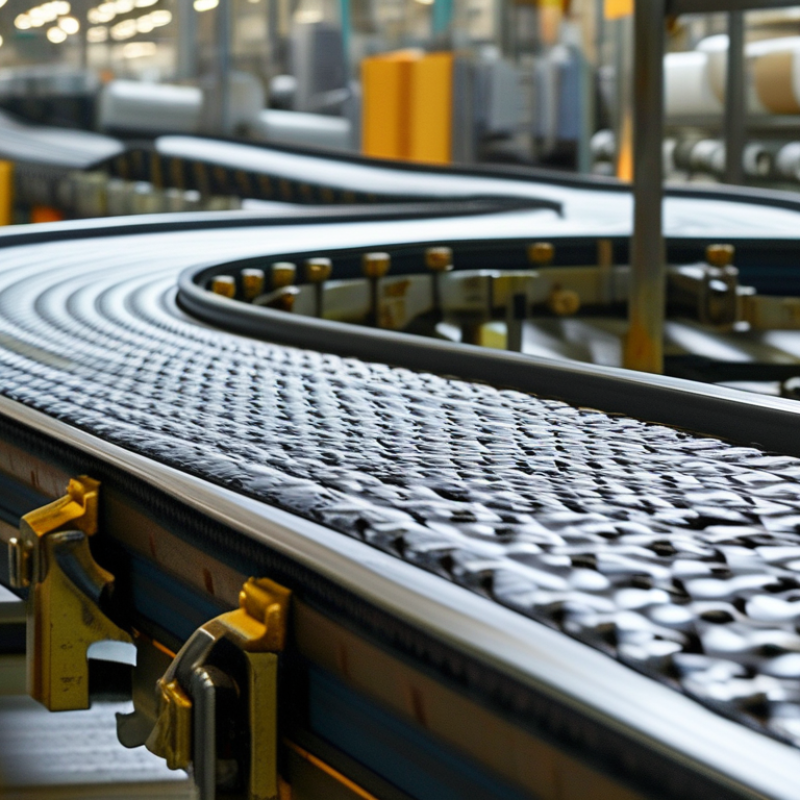
Patterned Conveyor Belts offer unique advantages in terms of grip and stability. Businesses can benefit from improved product handling, especially in sectors like food processing and packaging. Their design often includes raised patterns that create friction between the belt and the items being transported. This characteristic can lead to more reliable transit, fewer accidents, and minimized waste.
However, choosing the right patterned conveyor belt involves careful consideration. Different industries have unique requirements. Not every pattern suits every application. It's essential to reflect on your specific needs to ensure a proper fit. Understanding this complexity can help businesses make informed decisions that align with their operational goals. Selecting the wrong belt may lead to inefficiencies. Thus, thorough research and expert guidance are invaluable.
Benefits of Patterned Conveyor Belts in Various Industries
Patterned conveyor belts play a crucial role in various industries, enhancing efficiency and safety. These belts are designed with specific patterns that improve material grip, making them ideal for transporting different products. In food processing, for example, textured surfaces can prevent slippery mishaps, ensuring a smoother operation. Similarly, in manufacturing, these belts can help transport heavy materials without slipping.
Beyond safety, patterned belts offer versatility. They adapt to a range of applications, from handling bulk materials to delicate items. The right pattern can significantly reduce the risk of damage and product loss. However, selecting the appropriate design is not foolproof. Sometimes businesses may overlook the specific needs of their operations, leading to inefficiencies. Always assess your requirements carefully.
Industries like mining and construction benefit greatly from patterned conveyor belts. The added traction aids in transporting debris and heavy machinery parts. Yet, not all patterns suit every task. Experimentation may be required to find the best fit. Continuous evaluation helps in making informed decisions, ensuring you harness the full potential of your conveyor systems.
Types of Patterns and Their Specific Applications
When considering conveyor belts, patterns play a vital role in their effectiveness. Different types of patterns cater to various applications. For example, a cleated pattern is ideal for transporting loose materials. These raised sections on the belt prevent spills and ensure smoother movement. In contrast, a diamond pattern provides grip, making it suitable for inclined surfaces. This design firmly holds products in place as they ascend or descend.
Wave patterns offer another option, especially for delicate items. They cradle the products securely while minimizing vibration. This way, fragile goods can be transported without worry. Yet, not all patterns fit every situation. It’s crucial to evaluate your specific needs and the environment. A patterned belt that excels in one area might fail in another. For example, going too deep with patterns can create friction and wear over time. Understanding the trade-offs is essential for optimizing your conveyor system’s performance. Tailoring your choice helps drive efficiency and improves productivity.
Patterned Conveyor Belts Applications
This bar chart illustrates the various applications of patterned conveyor belts across different industries, highlighting the most common patterns and their specific usage scenarios.
Factors to Consider When Choosing Patterned Conveyor Belts
When selecting patterned conveyor belts, several factors can significantly impact your business operations. The material of the belt plays a crucial role in performance. Different materials offer varied durability and flexibility. This choice can affect how well the belt withstands weight and moisture. For instance, a belt designed for heavy loads should be composed of robust materials that resist wear over time.
Another significant consideration is the pattern itself. The design of the pattern affects how items move along the conveyor. Patterns that offer better grip can help reduce slippage. This is especially beneficial in industries where products may be unstable or in motion. However, sometimes a pattern that works well in theory might not perform as expected in real life. Testing different patterns can provide valuable insights.
Additionally, the size and configuration of the conveyor system should also be considered. The dimensions of the belt must match the conveyor setup precisely. A mismatch can lead to inefficiencies or increased maintenance issues. It’s essential to measure both width and length accurately. Some operations might also require custom sizes, which can complicate the decision-making process. Ensuring alignment with your specific operational needs is vital to avoid potential disruptions.
Comparative Analysis: Patterned vs. Flat Conveyor Belts
When it comes to conveyor belts, the choice between patterned and flat options can significantly impact operations. Patterned conveyor belts feature raised designs that create friction between the belt and the materials they transport. This added grip makes them ideal for steep inclines or slippery surfaces. In contrast, flat conveyor belts offer a smooth surface, promoting easy movement of items across horizontal settings.
Understanding the specific needs of your business is key. If your operation involves transporting loose materials or products that tend to shift, patterned belts are a better fit. They minimize the risk of slippage, providing safer and more reliable transport. Flat belts, on the other hand, can excel in handling heavier loads on level surfaces without the concern of losing grip.
**Tip:** Assess the type of materials you frequently move. Different materials can benefit from specific belt designs. For better efficiency, consider not just the load, but also the environment where the belts will operate. Reflect on durability as well; patterned belts may wear differently based on the surface they interact with. Each option has its pros and cons, and the best choice depends on your unique business needs.
Why Choose Patterned Conveyor Belts for Your Business Needs? - Comparative Analysis: Patterned vs. Flat Conveyor Belts
| Feature |
Patterned Conveyor Belts |
Flat Conveyor Belts |
| Material |
Rubber, PVC |
PVC, Polyurethane |
| Traction |
Higher traction due to patterns |
Standard traction |
| Applications |
Inclined transport, heavy load |
Flat transport, light to medium load |
| Maintenance |
May require more frequent checks |
Less maintenance needed |
| Cost |
Generally higher |
Generally lower |
| Flexibility |
Less flexible |
More flexible |
Maintenance and Longevity of Patterned Conveyor Belts
Patterned conveyor belts are essential for various industries. They enhance product movement while minimizing slippage. Regular maintenance is crucial for ensuring their longevity. Cleaning these belts prevents dirt and debris buildup, which can lead to wear. Checking for any misalignment should also be part of routine inspections.
The longevity of patterned conveyor belts relies heavily on material quality. Using high-quality materials can reduce breakage and downtime. However, even the best belts have limitations. Misuse or harsh environments can lead to faster deterioration. Regular monitoring can help identify weaknesses before they become serious issues.
Keeping an eye on belt tensions is also vital. Too tight can strain components, while too loose can create inefficiencies. Operators often overlook these details, which can lead to significant problems down the line. Building good habits in maintenance processes will yield better performance. Regular training on proper handling techniques is equally essential.
Conclusion
Patterned conveyor belts play a crucial role in enhancing efficiency across various industries by providing specific benefits tailored to diverse applications. These belts come in different patterns, each designed to optimize materials handling, increase traction, and prevent product slippage. When selecting patterned conveyor belts, businesses should consider factors such as load type, environment, and maintenance requirements to ensure maximum performance.
A comparative analysis reveals that patterned conveyor belts often outperform flat conveyor belts in scenarios demanding incline transport or where materials are prone to sliding. Furthermore, understanding the maintenance and longevity of these belts is essential for minimizing downtime and prolonging service life. By integrating patterned conveyor belts into operations, businesses can significantly improve their material handling processes.

 Boao Rubber