As the global market evolves, the demand for Laminated Conveyor Belts is growing. Industry reports indicate that this segment is projected to experience a CAGR of 5.2% by 2026. This growth is driven by advancements in manufacturing processes and increasing automation in industries such as food processing and logistics.
Laminated Conveyor Belts offer superior durability, flexibility, and ease of maintenance. They are preferred for various applications, from heavy-duty material handling to delicate product transport. Reports highlight that the Asia-Pacific region holds the largest share of this market, fueled by expanding manufacturing sectors. However, stakeholders must address challenges related to material sourcing and sustainability concerns.
Innovation in Laminated Conveyor Belts is essential for maintaining competitive advantages. The emergence of eco-friendly materials and smarter design approaches are changing industry standards. Buyers are urged to consider these trends when making procurement decisions, as they can influence long-term success in an increasingly dynamic marketplace.
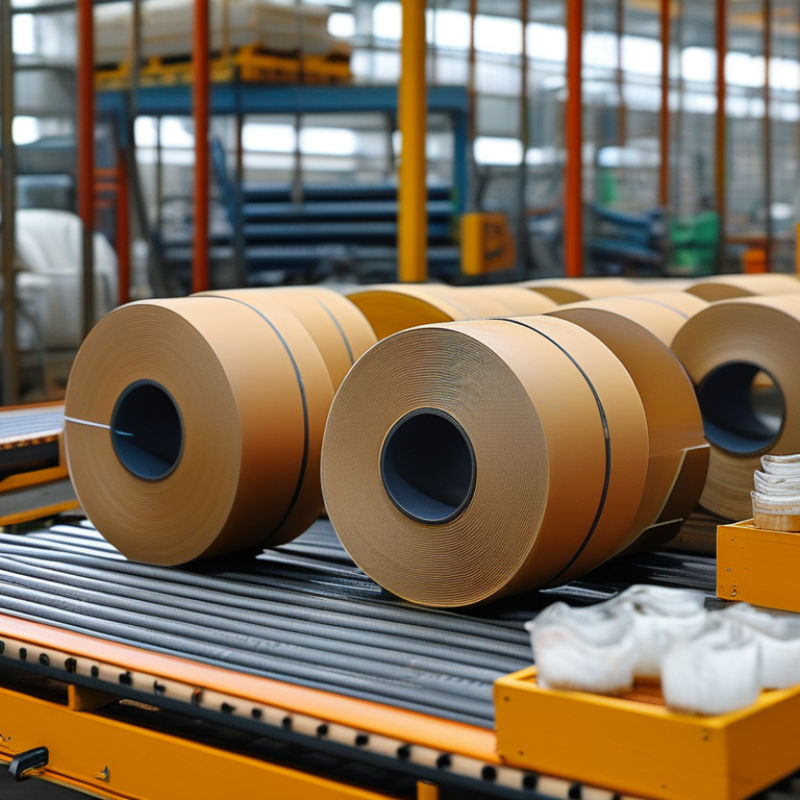
Emerging technologies in laminated conveyor belts are set to reshape the industry in 2026. One notable advancement is the integration of smart sensors. These sensors allow real-time monitoring of belt conditions. They can detect wear and tear, reducing downtime and maintenance costs. According to industry reports, the adoption of these technologies can improve operational efficiency by up to 30%.
Another trend gaining traction is the use of eco-friendly materials. As industries focus on sustainability, laminated conveyor belts made from recyclable materials are becoming popular. A recent study indicated that the market for green conveyor solutions is expected to grow by 15% annually. This shift not only addresses environmental concerns but also meets consumer demand for sustainable practices.
However, challenges remain. The initial investment in these technologies can be significant. Smaller companies may find it difficult to adopt these innovations. Additionally, training staff to handle advanced systems could require time and resources. Addressing these barriers will be crucial for widespread acceptance and success in the market.
Sustainability is reshaping the conveyor belt industry. As global awareness of environmental issues grows, manufacturers are seeking eco-friendly materials. Biodegradable options and recycled materials are gaining traction. This shift not only helps the planet but can also enhance brand reputation.
Choosing sustainable conveyor belts can lead to cost savings in the long run. Opting for longer-lasting materials reduces waste and maintenance. Companies should also consider energy-efficient production methods. Transitioning to renewable energy sources can lower carbon footprints significantly.
Selecting suppliers committed to sustainability is crucial. Not all manufacturers share the same values. Vetting suppliers on their environmental practices can lead to better choices. Look for certifications or pledges that focus on sustainability. These steps can foster a more responsible supply chain and contribute to a greener future.
The laminated conveyor belts market is experiencing significant evolution. Innovations in material science are enhancing the durability and efficiency of these systems. According to a recent industry analysis, the global laminated conveyor belts market is projected to grow at a CAGR of 4.5% through 2026. This growth is largely driven by increasing automation across various sectors.
Key players in this market are investing heavily in R&D. They aim to improve belt performance under extreme conditions. Reports indicate that new composite materials contribute to higher load capacities and reduce wear. This is vital for industries such as mining and manufacturing, where conveyor systems operate in harsh environments.
However, challenges remain. The high cost of advanced materials can be a barrier for smaller manufacturers. Additionally, there is ongoing concern about the environmental impact of conveyor belt production. Industry leaders are being pushed to consider sustainability in their innovations. The shift towards eco-friendly solutions may redefine the market in the coming years.
Consumer preferences are increasingly influencing the design of laminated conveyor belts. As industries evolve, buyers demand belts that are not just functional but also tailored to specific needs. Durability, efficiency, and environmental sustainability top the list of priorities for many users. This shift towards customized solutions indicates a dramatic change in market expectations. Manufacturers are challenged to innovate while addressing these preferences.
In today's market, there is pressure to adopt sustainable materials. The growing awareness of environmental issues pushes suppliers to develop eco-friendly options. Buyers appreciate transparency in sourcing and production processes. This demand for sustainability often conflicts with traditional manufacturing approaches. Finding a balance can be difficult, but companies must address these concerns to remain relevant.
It's crucial to engage with customers regularly. Feedback can guide improvement in product design. Listening to the end users not only helps in creating better products but also builds trust. The design process should encourage user input to ensure alignment with market needs. Continuing to adapt to consumer preferences will drive innovation in laminated conveyor belts.
| Trend | Description | Impact on Design | Consumer Preference |
|---|---|---|---|
| Sustainability | Increase in eco-friendly materials and production methods. | More biodegradable and recyclable options. | High preference for sustainable products. |
| Customization | Demand for tailored solutions to meet specific industry needs. | Designs that cater to unique applications. | Increasing desire for personalized products. |
| Smart Technology | Integration of IoT devices for monitoring and efficiency. | Enhanced features for operational insights. | Growing interest in automation and smart solutions. |
| Safety Enhancements | Compliance with stricter safety standards and regulations. | Design focused on user safety and accident prevention. | Higher expectations for health and safety in machinery. |
| Operational Efficiency | Focus on reducing downtime and maintenance costs. | Innovations to enhance durability and performance. | Preference for cost-saving operational solutions. |
Regulatory changes significantly impact various industries, including the laminated conveyor belt sector. Recent reports indicate that compliance with international safety standards is becoming crucial for manufacturers. For instance, the International Organization for Standardization (ISO) has updated its standards to enhance worker safety. This prompted many companies to reassess their operational policies. Non-compliance could lead to increased penalties and loss of market access.
The global laminated conveyor belt market is expected to grow steadily, but companies must adapt to changing regulations. A recent industry analysis revealed that 35% of businesses faced challenges in meeting these new compliance requirements. Adjusting to new material standards and environmental regulations can be costly. However, these adjustments will be necessary for long-term success.
It’s essential to stay informed. Regularly review regulatory updates. Consider attending industry seminars for insights into compliance. Networking with professionals can provide valuable guidance. Future trends illustrate that those who embrace regulatory changes strategically will lead the market. Adaptation isn't just about meeting standards; it’s about building trust with customers who prioritize safety. Balancing compliance and innovation may prove crucial for success.
: Smart sensors for real-time monitoring are a key advancement. They detect wear, reducing downtime and maintenance costs.
Adoption of smart sensors can enhance efficiency by up to 30%. This significantly impacts productivity across industries.
Eco-friendly materials made from recyclable options are gaining traction. They align with sustainability goals and consumer demand.
The market for green solutions is projected to grow by 15% annually. This trend reflects increasing environmental consciousness.
Initial investment costs can be significant. Smaller companies may struggle to implement these advancements effectively.
Training is essential for staff to handle advanced systems. This process requires time and resources, which can be daunting.
Buyers prioritize durability, efficiency, and sustainability. Manufacturers must adapt designs to meet these evolving expectations.
Consumers demand transparency in sourcing and production. Balancing sustainability with traditional manufacturing approaches is challenging.
Collecting feedback helps improve product design. Active listening fosters trust and aligns products with actual market needs.
The impact of production methods on the environment raises ongoing concerns. Companies must innovate with sustainability in mind.
The article "2026 Top Laminated Conveyor Belts Trends for Global Buyers" explores the latest advancements and trends shaping the laminated conveyor belts industry. It highlights emerging technologies that enhance efficiency and performance, as well as sustainability trends driving eco-friendly production practices. Additionally, market analysis reveals key players and innovations that are revolutionizing laminated conveyor belts, while consumer preferences are increasingly influencing design improvements to meet demand for versatility and reliability.
Regulatory changes are also a critical factor impacting the laminated conveyor belt industry globally, as businesses adapt to new compliance requirements. This comprehensive overview offers insights into the evolving landscape of laminated conveyor belts, emphasizing the importance of innovation and sustainability in meeting the needs of global buyers in 2026 and beyond.

Boao Rubber